Dogs, A Van Driver’s Best Friend

Man’s Best Friend

Dogs…

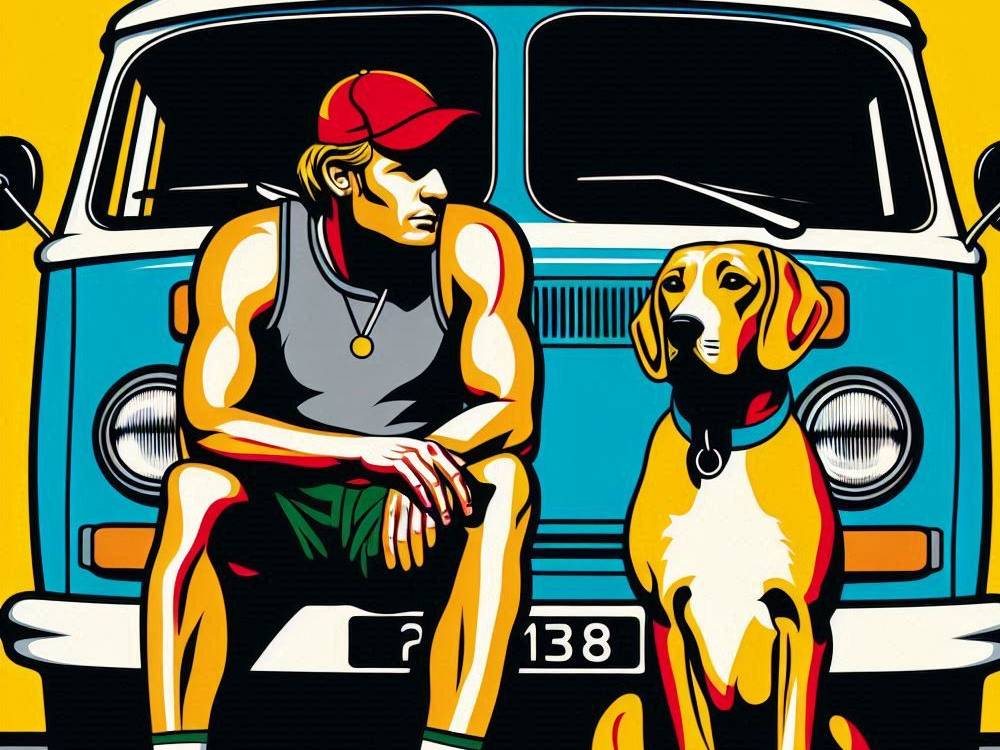
Or, in this case, a van driver’s best friend.

Recently, Volkswagen Commercial Vehicles conducted a very important study.

It concluded that a whopping 41% of you would rather take your loyal canine buddies to work with you.

This is instead of leaving them at home (potentially alone) or even with a trusted dog-sitter.

The Importance Of Restraining Your Dogs

Unfortunately, 29% of you also confessed to not securing them safely in your vans, meaning your pooch may not be restrained properly.

Big deal?

Well actually, yes.

If you plan to take pets on work journeys, you must restrain them properly.

This rule comes from the Highway Code (Rule 57).

This is to avoid accidents that could consequently be caused by your dog (or other pet) distracting you.

You could also be looking at a fine, and above all, potentially nullify your van insurance.

This means that, as much as we might love our goofball pups up in the front seat with us, it’s best to safely secure our dogs in an alternative fashion.

Safe Restraint Options

There are a few options you could try if you haven’t already done so.

For example, use a harness that doubles as a seatbelt or a secure cage or carrier.

Or the ever-popular method of using the boot (as long as you’re able to use a dog-guard).

It goes without saying that whichever choice you make, ensure your dog is as comfortable as possible.

A Cautionary Tale

In other van and dog-related news…

There have been reports of an unfortunate case of a delivery driver spending time at a police station (approximately five hours!) because of dogs.

The police arrested the delivery driver from Wales after someone wrongfully accused him.

Authorities suspected him of stealing a couple of sheepdogs.

In reality, the hard-working driver was actually carrying out his deliveries and found the dogs on the road.

Following this, he tried to get them to safety.

Be Mindful On The Road

So, whether you’re out and about in your van with your beloved dog as a companion,

or if you’ve found a stray and you’re trying to help it, be careful not to be mistaken as a dog thief!

Conclusion

Safety First

Secondly, and most importantly, secure your furry companions safely and keep your van insurance policy valid.

It’s as simple as that.

Whilst you’re here, why not prepare for renewing your premium and have a browse for cheap van insurance quotes?
Vans, Vision, And A Greener Future: Ford And Turkey Drive Change

Two Things To Thank Ford And Turkey For Today

First, Ford Otosan announced they will produce the latest versions of Ford Transit vans. This includes fully electric vans as well. We all know the future is green. In light of this, many automotive companies are pledging to become fully electric within the next 15 years. Specifically, Ford aims to be completely green by 2030. Furthermore, they currently lead the commercial market in Europe. In the UK, they’ve topped the van market for an incredible 56 years. So, this is a big deal. We anticipate success in selling these Transit vans to delivery and courier companies. They want to offset carbon emissions and improve their environmental impact.

But Wait, There’s More!

Have you heard of Dagenham Engine Plant? This British company, owned by Ford, plays a crucial role. It will manufacture diesel engines for the new Transit vans. Not the electric ones, of course. In the midst of Brexit uncertainty, this news is welcomed. It will help ensure the safety of 2,000 jobs at the plant. It’s a good deal. The hardworking staff at Ford’s Dagenham branch send diesel engines to Turkey. In turn, Ford Otosan equips these engines to the Transit vans. Consequently, you can expect around 30% of these vans to be exported back to Britain. Moreover, keep in mind that a substantial 85% of Ford engines are shipped from Britain to over 15 countries across six continents. Ultimately, this trade is valued at an impressive £2.5 billion annually. Thank you, Ford. Thank you, Turkey. This trade deal could yield even more benefits. Despite electric pledges, this ensures UK workers’ jobs are safe for now. As long as diesel and hybrid cars remain on the market, they can feel secure. Whichever van you choose in the future—electric, hybrid, or combustion—we’ve got you covered. You’ll find the cheapest van insurance quotes around.  

Why More Women Are Joining The Transport Industry Amid Covid-19

Yesterday marked International Women’s Day.

Is It Time For More Women In The Transport Industry?

Did you take a moment to celebrate the incredible women in your life? The pandemic, unfortunately, hasn’t helped in closing the gender gap—especially around pay and employment. In fact, Covid-19 has impacted women’s jobs disproportionately. Women have been hit harder by redundancy, business closures, and increased home responsibilities. Many had to become full-time caregivers when schools shut down.

Male-Dominated vs. Female-Dominated Industries

Male-dominated fields saw hiring slowdowns during the pandemic. But the impact on female-dominated industries has been staggering. Sectors like beauty and weddings felt a major hit due to restrictions. This shift may be why more women are now exploring careers as couriers. When you think of a white van or delivery driver, do you picture a woman at the wheel? Why not? The culture is shifting, and Covid-19 is sparking that change.

Leading The Way In Gender Representation

This week, Scotland set an example in pushing for gender equality in transport. M&H Carriers, a Scottish transport company, is working to improve gender representation. Even though women make up 47% of the UK workforce, only 20% work in transport. But M&H Carriers aims to change that. Women hold over half of the senior roles at the company. Their goal? To break down stereotypes of transport as a male-only field. They hope more women will begin to see it as a viable career.

The Arts Moving Into Transport

The Arts industry also faced huge setbacks due to Covid-19. Many artists turned to the delivery industry, stepping into key worker roles. For example, a trombonist took a job at Yodel. She spoke of the respect she gained for delivery drivers’ hard work. A violinist also joined the industry, delivering for Waitrose. Despite qualifying for government grants, she couldn’t sit idle. Her new role helped her stay motivated, and she even volunteered at a charity shop on weekends.

Delivery Work: Challenging But Rewarding

As many of you know, delivery driving isn’t easy. The demands have only grown over the past year and show no signs of slowing. Yet, we welcome more women to join this vital industry. Let’s continue fighting for gender equality, together. For any women considering the delivery field, remember: You’ll need more than standard van insurance to get started. Take a look here to see how we can help.

Crucial Tips Every Van Driver Needs To Stay Safe And Protected

The Last Year: A Test Of Resilience

For any driver, these last few months have been challenging.

In truth, this entire past year has been nothing short of a relentless test.

Moreover, for any van driver, the stakes have been even higher.

Working tirelessly, they’ve continued through the pandemic, facing risks head-on.

Essential Workers On The Move

With industries shutting down, van drivers kept going.

Battling brutal weather, they ensured goods and parcels still arrived.

Without their dedication, many, in fact, would have struggled.

Consider this:

As people grew reluctant to leave home, they increasingly relied on deliveries.

These packages brought not only joy and comfort but, at times, even a sense of sanity.

You’re Keeping The Nation Going

I’ll admit it:

I ordered my share of random items.

From candles to chessboards to chilli oil, they delivered.

You brought us everything.

Thank you.

And let’s be clear:

You deserve immense appreciation.

We see you. We salute you.

Stay Safe – Crime Is On The Rise

Here’s something to remember:

Stay vigilant.

Stay safe.

Crime targeting van drivers is on the rise.

The risk is real.

Just last weekend, a driver in Hereford had his van stolen mid-delivery.

Van Theft On the Rise: What You Need To Know

Luckily, he was unharmed.

But think about that:

In seconds, his vehicle vanished.

Later, it was found abandoned in a field, engine still running.

It’s happening more often.

Police Warnings For Delivery Drivers

Since lockdown began, police have issued warnings:

Delivery drivers face heightened risks.

Especially around the holidays, theft spiked.

Right before Christmas, a van loaded with Amazon packages was stolen.

Protect Yourself And Stay Alert

Drivers, couriers, postal workers—they’re on the front lines.

They’re vulnerable.

It’s essential they stay alert.

Members of the public must also help keep them safe.

Final Reminder: Check Your Insurance

So, to all van drivers:

First and foremost, protect yourself.

Additionally, stay cautious.

Most importantly, follow police advice.

One more crucial reminder:

Ensure your insurance is up-to-date.

If the worst should happen, having the right coverage is vital.

After all, we’re here to help with that.

It’s the least we can do, given everything you do to keep us moving forward.

British Gas Vows To Electrify With New Vauxhall Vivaro E Vans

Are electric vans the future…

With potential fuel tax hikes, van and delivery drivers may face tough times ahead.

As it stands, fuel costs are already rising quickly.

Furthermore, an additional 3p per litre could add £1 billion to the UK Treasury.

But for van drivers, this means an extra £250 a year on fuel.

Reports say that after a 9-year freeze on fuel tax, Chancellor Rishi Sunak is considering lifting it.

The aim?

To help pay off lockdown costs.

But at what cost for delivery drivers?

Rising Fuel Costs – What’s At Stake?

For van drivers, these hikes don’t just impact the bottom line.

Each added expense eats into profits, especially for small businesses and independent drivers.

The increase, while seemingly small, compounds over hundreds of fill-ups.

It’s a relentless drain on resources.

So, what options are there?

Could Electric Vans Be The Future Of Britain’s Fleets?

With these rising fuel prices, the future of Britain’s vans could very well go green.

In fact, more motor companies are now pledging to produce only electric vehicles by 2030.

But here’s the real question:

Could this shift not only cut costs but also benefit the environment?

Electric vans, while an upfront investment, can lead to lower fuel costs and reduced maintenance over time.

As traditional fuel costs soar, the cost-benefit of going electric looks more attractive.

British Gas certainly thinks so.

British Gas Takes A Bold Step Toward Electric Vans

In fact, British Gas is taking major steps toward a greener fleet.

Recently, they made the biggest electric vehicle order in the UK.

They’ve ordered 1,000 of Vauxhall’s new, all-electric Vivaro-e vans.

This is just the beginning.

Once available, they plan to add more electric vans to their fleet.

Electric vans can help companies cut down on emissions and lead by example.

British Gas, a significant employer of van drivers, is setting the standard.

The New Vauxhall Vivaro-e: A Game-Changer For British Gas

And they’re not stopping there.

The Vauxhall Combo-e, launching this summer, is also 100% electric.

It’s quickly emerging as a strong contender in the small van market.

Moreover, British Gas, owned by Centrica, has ambitious environmental goals.

Specifically, they’re aiming to transition their entire workforce to electric vehicles by 2030.

This move goes beyond compliance—it’s about future-proofing their operations for sustainability.

Preparing For an Electric Fleet By 2030

How will they make it work?

British Gas has plans to provide electric vans to employees who volunteer for the switch.

Additionally, they’ll prioritise areas with high emissions or places where van replacements are needed most.

This targeted strategy ensures that their electric fleet makes a meaningful environmental impact.

What started as an idea—the switch to electric vehicles—is now in full motion, with real changes underway.

Installing Charging Stations For A Greener Future

Worried about charging stations?

Don’t be.

British Gas is installing home chargers and training engineers in electric vehicle use.

This proactive approach means they’re prepared for a seamless transition.

Their engineers won’t be scrambling for charging points or dealing with long downtimes.

With infrastructure in place, the goal of a fully electric fleet is more achievable.

British Gas Commitment to “Net-Zero” Targets

British Gas’s commitment to achieving “net-zero” targets is truly setting a new standard.

Their efforts focus on reducing van emissions while improving local air quality.

But they’re not stopping at promises—they’re taking action.

Lowering van emissions is key to shrinking their daily carbon footprint.

Over 4 Million Deliveries: Supporting Communities In Need

Since the pandemic began, British Gas engineers have delivered over 4 million meals to those in need.

These deliveries highlight the crucial role that van drivers play in supporting local communities.

Their dedication goes beyond just work; it’s a lifeline for many.

This commitment highlights the importance of protecting these essential drivers for many households.

Thinking About Electric Vans? We’ve Got You Covered

So, is it time to think about an electric van?

Perhaps you already own one.

Rising fuel costs and environmental goals could make electric vehicles the new norm.

Whether you’re exploring electric options or already on board, the right insurance is key.

Having the right coverage can make all the difference when making the switch.

Either way, we’re here to help with affordable electric van insurance.

We’ve got you covered—because the future of vans might just be electric.

Courier? You May Need Special Insurance

If you’re working as a man (or woman, obviously) with van as a courier, we hope you’ve got the right insurance.

Some, pushed into a new courier career, thanks to Covid, may not be aware that it’s more than standard van insurance that is required.

Couriers can’t just make do with van insurance and hope for the best.

If your van gets broken into or stolen, you need to be pretty certain that the cost of whatever you have inside is covered,

or you could find yourself in a sticky situation.

Not only that, as couriers are also in contact with member of the public for work,

anyone working as a delivery driver needs to have public liability insurance to make sure that they are fully protected.

Most van insurance companies offer specialist courier insurance policies, regardless of what type of vehicle you are using.

These are often more expensive than regular car or van insurance.

The high cost of the goods you transport is one factor.

Plus, spending more time on the road than other drivers increases your accident risk and expenses.

Similar to regular car or van insurance, you can choose third-party cover, third-party fire and theft, or comprehensive.

Comprehensive is always the best option for full coverage.

Additionally, goods in transit insurance protects the value of any items lost or damaged during transit.

This also covers your van and contents in case of theft, whether parked at home or out on deliveries.

A longer driving history, strong van security, and fewer motoring convictions all help.

These factors keep your courier insurance costs down.

Use our free quote tool to ensure you are getting the best deal on your van insurance.

We may be over the snow, but accidents and thefts can happen any time, so it’s always best to stay safe. 

White Van Man Goes Green

More green than ever…

We have said it before and we will say it again – you bunch never cease to surprise us.

News this week is that the typical white van man of all the social stereotypes is seemingly a thing of the past.

Replaced by a newer, greener van man (or woman) of the future.

It seems that a huge 91% of you believe that we should all be as environmentally friendly as possible.

Two-thirds of you support government initiatives for fewer vehicle emissions on the roads.

A huge 84% of you think companies should be running environmentally-friendly vehicles.

And 35% of you are considering an electric van when the time comes to upgrade your motor. 

The survey, commissioned by Fiat, to launch its new electric van the E-Ducato,

also found that many of you are not as beloved of the beer and fry-up’s diet as stereotypes may suggest.

In fact, one in five van drivers are either vegetarian or vegan,

and most prefer a cereal bar or bagel to bacon and eggs to get you going in the morning. 

You’re also a sensitive bunch too, with two-thirds of you claiming to be offended that other motorists consider van drivers to be aggressive on the road.

The majority claim to take pride in their vans, keeping them clean and tidy at all times.

And are often to be found foot tapping along to the gentle sounds of Radio 2’s greatest hits, rather than blasting out beats whilst cutting up other road users.

Whether you’re a devotee or diesel, a die-hard petrolhead or an electric eco-warrior, you all deserve the recognition that you deserve for keeping us going through lockdown.

But you also deserve the easiest way to renew your van insurance, whatever type of vehicle you drive.

And that’s why we are here for you – just a few moments using our free quote tool can deliver the best van insurance deals to your inbox, so you can get back to your spirulina smoothie.

Speed Cameras: Time To Ditch The Go-Faster Stripes?

Speed cameras,

Here at Cheap Van Insurance, we know what it’s like.

Van drivers are busy people.

You’ve got places to be and people to see and no time for a chat.

But if you are one of the many white van people who are tempted to exceed the speed limit from time to time,you may want to think again. 

That’s because the boys in blue are rolling out the speed cam in blue.

Anew, handheld camera that is capable of catching drivers who are exceeding the speed limit, day and night, from a distance of 750 metres. 

The new, handheld cameras are being rolled out by police forces up and down the country, including by Warwickshire and Northumberland police.

Costing around £10,000 per camera, they can automatically identify the make, model and number plate of vehicles from a distance – far greater than was previously possible with other handheld speed guns. 

And don’t think if you haven’t been stopped that you haven’t been caught.

These devices automatically send video images to a database and automatically issue a penalty charge.

Penalties are currently a minimum of £100 and three points on your license.

Not only that, these cameras are also capable of detecting errant mobile phone users, tailgaters, and non-seatbelt wearers too.

The days of pretending it wasn’t you behind the wheel of the company van are well and truly over. 

If that wasn’t enough, it can also read rear number plates too and is untraceable to jamming devices that identify fixed speed cameras ahead.

So if you are a bit prone to putting your foot down or driving that littler bit too close, beware. Y

our days without getting caught may just be numbered. 

Why Van Drivers Face Rising Mental Health Risks Today

How Are You, Really?

Van Drivers, oo, really—how are you doing?

It might sound like a casual question, but the truth is alarming.

Last week, the news revealed a shocking statistic.

The suicide rate among van drivers stands a staggering 25% above the national average.

Take a moment to absorb that.

Even more concerning?

Surprisingly, only one in four businesses that employ van drivers have taken any steps to monitor their employees’ mental health.

The Pressures on Van Drivers Are Rising

Rates of stress and depression are growing among van drivers.

Why?

The pandemic has created relentless pressure, especially for delivery drivers.

Their workloads have surged, but they’re still bound by the same 24-hour day.

Moreover, it’s not only delivery drivers who are feeling the strain.

Many other van drivers have dealt with furlough, salary cuts, and isolation.

In this challenging new era, unpredictable journey times further intensify their stress.

The Mental Health Stigma Remains

Most van drivers are men, and for many, discussing mental health feels daunting.

It’s often seen as unmanly or a sign of weakness.

But here’s the reality:

Anyone struggling with the pressures of life during Covid should reach out.

Talking to someone—a friend, family member, or professional—can be transformative.

Small Steps Can Make a Big Difference

Exercise can help.

Even a brisk walk can boost endorphins and lighten your mood.

If you’re a van driver under pressure, you don’t have to navigate this alone.

Support from CALM: A Lifeline for Van Drivers

To support struggling van drivers, CALM (Campaign Against Living Miserably) has stepped in.

They’ve created 20,000 driver packs specifically for those battling stress and depression during lockdown.

Each pack includes resources for support, self-care tips, and practical ways to ease feelings of stress.

Don’t Brush It Off—Take Action

It’s easy to dismiss your stress as just “lockdown fatigue.”

Or to tell yourself everyone feels the same way.

But remember, you can take simple steps to feel better.

Take a moment for yourself.

Get your free driver pack here.

Give yourself a break.

Don’t be too hard on yourself.

If you need help, reach out and get it.

No one has to face depression alone.

Tradespeople On The Road: Locked Down, But Not Out

Essential Work For Tradespeople Or A Risk?

Demand for tradespeople has surged since the first lockdown ended.

British van drivers – many of you are still out on the road, despite lockdown.

Why?

But now, a debate has sparked: should the government allow this during a national lockdown?

SAGE Calls For Limits On Tradespeople Work

SAGE, the government advisory group, has a strong opinion.

They’ve urged officials to restrict to only “critical” work.

Or work that can’t be delayed due to health and safety.

Currently, most trades are still running – with a few changes.

Workers wear masks indoors and maintain social distance.

But, they face no limits on the type of jobs they take on.

The Unfairness Factor: Who’s Really Left Out?

And here’s a twist:

The Association of Independent Professionals and the Self-Employed, an industry group, is speaking up.

Their message?

Stopping tradespeople would be unfair.

Did you know?

Approximately 1.5 million tradespeople, however, were excluded from financial support.

Some, for instance, were short-term contractors.

Others, meanwhile, worked on zero or low-hours contracts with limited companies.

In their situation, every job truly matters, and every pound absolutely counts.

Why Restrictions Could Be Devastating For Tradespeople

Imagine the government tells you that you can’t work, yet you still don’t qualify for support.

That’s the reality for many. And restrictions on trades could be disastrous.

Unlike office jobs, they can’t “work from home.” Their work is hands-on.

And let’s be honest:

The rules, however, feel confusing and inconsistent.

For instance, nurseries and churches allow large gatherings.

Yet, at the same time, tradespeople – who perform critical services – face restrictions.

Where’s the consistency?

Hope Ahead: Vaccines And Lower COVID Cases

Many trades include essential work, like heating, plumbing, or other vital services.

They’re often called to fix things that simply can’t wait.

And here’s to hoping:

With the rapid vaccination rollout, we might see an end in sight.

COVID cases are dropping. We’re moving forward.

For the tradespeople of the UK, let’s hope work can continue.

Maybe not “as usual,” but enough to keep their families fed and secure.

Step 1

Complete your quick and easy quote

Step 2

Reveal your van insurance policies

Step 3

Pick your favourite and get instant cover