Drivers Risk Losing Licences Under Tough New Rules On Fly-Tipping

Introduction

Fly-tipping.

Something has changed for UK van drivers.

And it matters more than most realise.

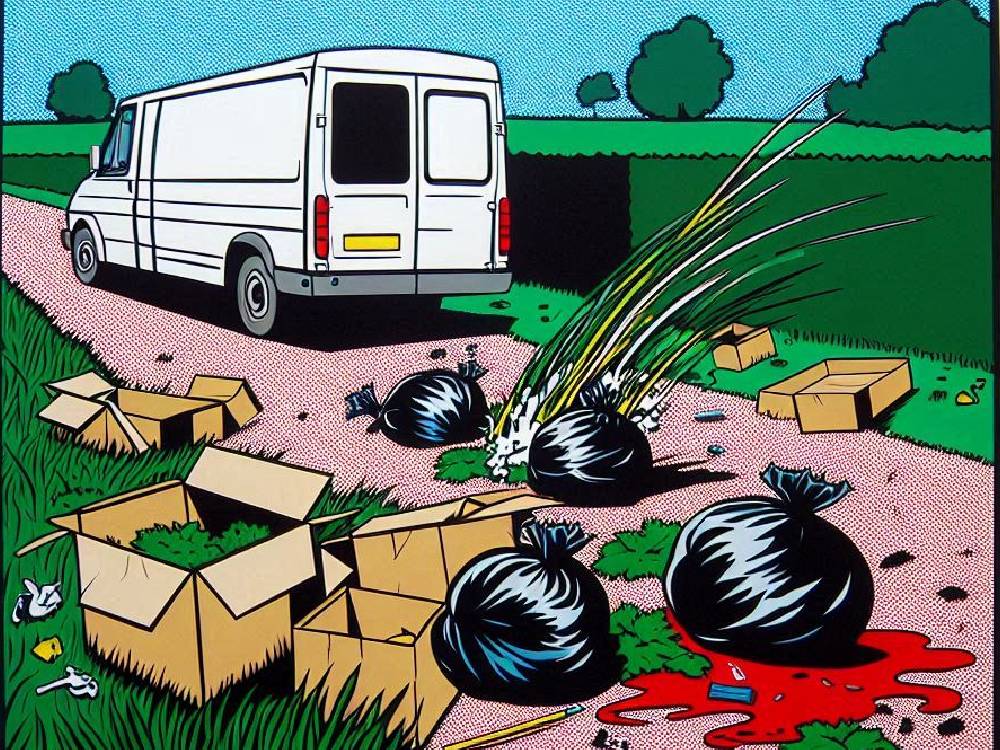
New proposals could see motorists lose their licences for offences like fly-tipping.

At first, that sounds unrelated to insurance.

But it isn’t.

Because once penalty points are involved, your Van Insurance changes instantly.

Here’s what this means:

  • Fly-tipping could now lead to penalty points
  • Points can push you towards disqualification
  • Insurers treat this as increased risk
  • Work van incidents can affect personal insurance
  • Cheap premiums become harder to find

Fly-Tipping: Why Van Drivers Are Now Under The Spotlight

Here’s where it shifts.

The Government is targeting behaviour linked to vehicles.

Not just driving itself.

And that includes fly-tipping.

Drivers caught dumping waste could soon receive penalty points.

Which means those points build quickly.

And once you hit 12…

You’re disqualified.

Now, here’s the key detail:

Most fly-tipping involves waste carried in vans.

That’s why van drivers are the focus.

Tradespeople.

Couriers.

Small business owners.

All exposed.

But it gets worse:

This isn’t just about fines anymore.

It’s about losing your licence.

And once that’s at risk, your insurance follows.

If you’re unsure how compliance already affects your cover, this explains why
proper vehicle compliance is crucial for road safety

At first, it feels separate.

Fly-tipping on one side.

Insurance on the other.

But they’re connected.

Here’s the thing:

Insurers don’t just price accidents.

They price behaviour.

So, once penalty points appear…

Whether from driving offences or even fly-tipping…

Your risk profile changes immediately.

Even without a claim.

That’s why your Van Insurance quote can increase overnight.

Now, here’s where it gets interesting:

Even minor offences can trigger this.

Because insurers care about patterns.

Not just outcomes.

As a result, drivers with points often face:

  • Higher premiums
  • Fewer quotes
  • Stricter terms

Which makes finding very cheap van insurance much harder.

And if you think small mistakes don’t matter, this shows how quickly things escalate
how a simple van mistake ended up in court

Why Insurers Care More Than You Think About Fly-Tipping

Let’s break it down.

Insurers predict risk.

They don’t just react to events.

So, if your record signals risky behaviour…

Your premium reflects it.

Even if nothing major has happened yet.

And here’s the catch:

Fly-tipping isn’t treated as isolated.

It’s seen as a signal.

Which means your premium reflects future risk.

Not just past behaviour.

That’s why costs rise quietly.

Meanwhile, other factors — like vehicle changes — can also push premiums up, as explained in
what counts as a modification for van insurance

How A Work Van Accident Can Impact Your Personal Insurance

This is where most drivers get caught out.

They assume separation.

Work insurance here.

Personal insurance there.

But it doesn’t work like that.

Here’s why:

Your driving history follows you.

Not the policy.

You.

So, if you’re involved in a work van accident…

It can still affect your personal insurance.

Even if the claim sits under a business policy.

Which means your next renewal can increase.

Quietly.

And if you’re unsure how usage affects pricing, this explains whether
business van insurance is cheaper

One Incident… Two Consequences

Picture this.

You’re driving a work van.

A small accident happens.

You’re at fault.

The claim goes through your employer’s policy.

Done.

Or so it seems.

But then renewal comes around.

And your premium jumps.

Because that incident followed you.

Now, here’s where it gets interesting:

Even minor incidents can have this effect.

Which is why understanding this crossover matters.

Especially if you want the cheapest van insurance long-term.

And for newer drivers, the impact can be even stronger, as explained in
can you get van insurance as a new driver

Why This Matters More Than Ever for Van Drivers

Everything is now connected.

Your behaviour.

Licence.

Insurance.

Your costs.

So one decision…

Can ripple further than expected.

That’s why staying informed matters more than ever.

And if you want to keep premiums low, understanding pricing factors is essential, as outlined in
van insurance factors affecting your premium

Because now…

The margin for error is shrinking.

The Real Cost Of Losing Your Licence

So, here’s where everything escalates.

Because penalty points don’t just sit there.

Instead, they build.

And once you hit 12…

You’re disqualified.

Simple.

However, here’s what most drivers overlook:

Losing your licence doesn’t just stop you driving.

It also stops your income.

Moreover, it disrupts your routine.

And, in many cases, your independence.

Especially if your van is tied to your work.

Which, for many drivers, it is.

Now, on top of that, insurance comes into play.

Because once you’re disqualified, insurers reassess you instantly.

As a result, you’re seen as higher risk.

Which means fewer options.

And, inevitably, much higher premiums.

Therefore, finding Cheap Van Insurance becomes far harder than before.

Why Getting Back On The Road Isn’t Easy

At first, getting your licence back feels like the finish line.

But in reality…

It’s just the beginning.

Because now, you’re classed as high-risk.

And that label sticks.

In other words, insurers don’t reset your profile overnight.

Instead, they remember.

So, even if the original offence wasn’t serious…

It still affects your pricing.

Now, here’s where it gets frustrating:

You’ll face fewer quotes.

Meanwhile, excesses increase.

And policy terms tighten.

All at once.

Consequently, securing very cheap van insurance becomes extremely difficult.

At the same time, enforcement is tightening across the UK, as shown in
van insurance crackdowns leaving drivers financially punished

So, even after you’re back on the road…

You’re not starting fresh.

Instead, you’re starting behind.

Fly-Tipping: How To Protect Yourself Before It’s Too Late

So, what can you actually do?

Because this isn’t just about avoiding fines.

Instead, it’s about protecting your future premiums.

Your licence.

And your livelihood.

Let’s break it down:

First, avoid behaviours that now carry hidden consequences.

For example, fly-tipping.

But also misuse of your van.

Incorrect insurance type.

Or undeclared changes.

Because each of these can trigger long-term issues.

Next, make sure your policy matches how you actually use your van.

No guessing.

No shortcuts.

If you’re unsure, this explains
complete guide to protecting van insurance

Finally, think long-term.

Because one decision today…

Can affect you for years.

Small Changes That Can Save You Thousands

Now, here’s the good news:

You don’t need major changes.

Instead, small ones work.

For example:

  • Drive consistently and carefully
  • Keep your record clean
  • Park securely
  • Declare everything honestly

Simple.

But effective.

And if you want to go further, these
Average Prices, Hidden Fees & How To Save
can reduce your costs quickly.

Because ultimately…

Lower risk means lower premiums.

And therefore…

Better access to Cheap Van Insurance that actually stays affordable.

The Bottom Line: One Mistake Of Fly-Tipping Can Follow You for Years

So, this is where everything connects.

Your behaviour.

Licence.

Insurance.

Costs.

All linked.

And now, even something like fly-tipping feeds into that chain.

Which means the stakes are higher than ever.

And consequently…

The margin for error is smaller than most drivers realise.

Conclusion

Ultimately, the rules are tightening on fly-tipping.

And while the aim is to clean up UK roads…

The wider impact on drivers is becoming increasingly clear.

Because your behaviour now directly affects your ability to secure Van Insurance.

And keep your costs down.

Therefore, staying compliant is essential.

At the same time, protecting your licence matters more than ever.

And understanding how insurers assess risk?

That’s critical.

If you want access to the cheapest van insurance.

As a result…

It’s worth exploring.

why UK van insurance costs are rising
and
how van theft trends are impacting premiums
because, ultimately, the more informed you are, the more control you keep over both your costs and your future on the road.

Van Insurance Warning: Amazon Driver Satnav Disaster

Introduction

Van insurance warning.

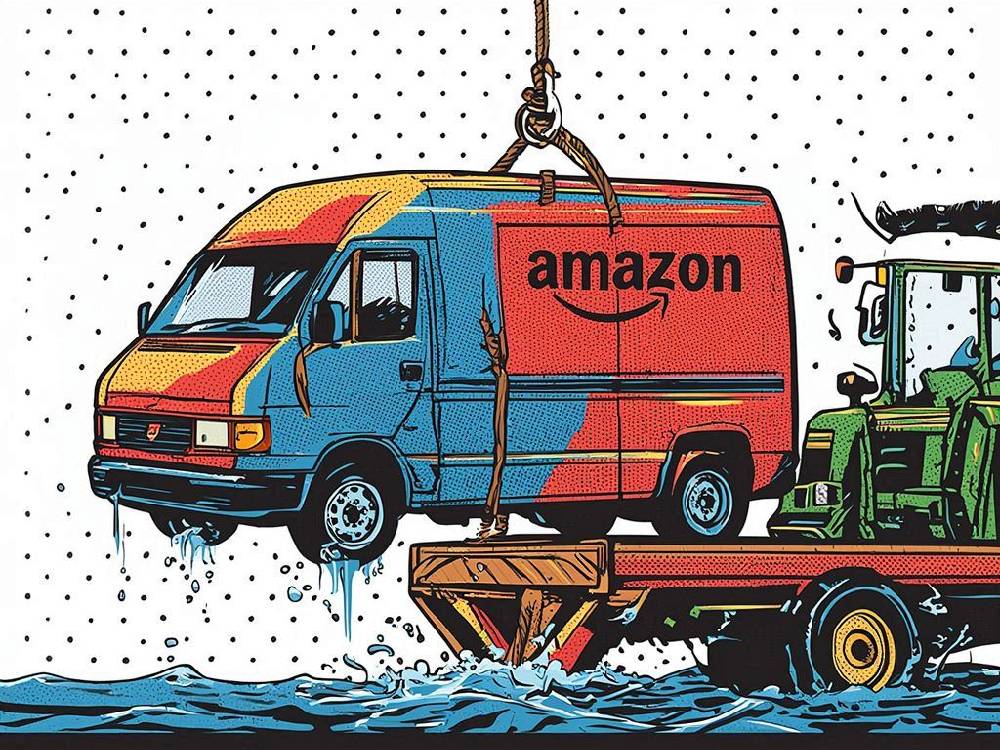
An Amazon driver followed satnav onto The Broomway, a tidal sand track in the Thames Estuary.

The van soon became stranded as the tide began returning.

Shortly afterwards, the vehicle appeared partially submerged in sand and water.

Fortunately, the driver escaped safely.

However, the incident quickly sparked wider questions.

Because accidents involving work vehicles can sometimes affect Van Insurance in unexpected ways.

And sometimes the consequences go far beyond the accident itself.

Insurance companies often assess the driver, not just the vehicle.

Which means a mistake in a work van may still influence future premiums.

Especially when insurers calculate risk for Cheap Van Insurance UK policies.

So while the story sounds unusual, the lesson is extremely relevant for van drivers across Britain.

Particularly tradespeople and delivery drivers who rely on their vans every day.

Van Insurance Warning: When Satnav Goes Wrong

At first glance, the story sounds unbelievable.

But it really happened.

A delivery driver followed GPS directions onto the tidal pathway.

The problem?

It isn’t actually a road.

Instead, it is a flat stretch of sand that disappears beneath the tide.

Here’s the catch.

Drivers unfamiliar with the area often assume the route is safe.

Especially when their satnav confidently directs them forward.

Consequently, mistakes happen.

In this case, the van became stuck before the tide fully returned.

Soon afterwards, the vehicle appeared partially submerged.

HM Coastguard Southend responded after receiving reports of the stranded van.

Meanwhile, the driver exited the vehicle safely.

Later, Amazon arranged for recovery once the tide retreated.

But here’s the disturbing part.

More than 100 people have reportedly died on The Broomway over the years.

And despite its history, drivers still get caught out today.

Which raises an important question.

What happens when a work van becomes involved in an incident like this?

Why Work Van Accidents Can Affect Your Insurance

Many drivers assume company vans operate under completely separate insurance policies.

Van insurance warning.

Sometimes that is true.

However, the reality is often more complicated.

Here’s why.

Insurance companies assess driver risk, not just vehicle ownership.

Therefore accidents involving work vans can sometimes appear on insurance records.

Even when the employer’s fleet policy covers the damage.

Let’s break it down.

Most companies insure vans under fleet policies.

These policies cover multiple vehicles and drivers.

However, insurers may still link claims to the individual driver involved.

Consequently, the incident can appear in insurance databases.

And future insurers may see it.

Which can influence the price of Cheap Van Insurance.

In some cases, drivers notice higher quotes after claims.

Especially if insurers believe the incident was avoidable.

For example, navigation mistakes sometimes raise questions about driver judgement.

And insurers examine those details carefully.

If you want to understand how commercial cover differs from personal cover, this guide explains the issue clearly:

https://www.cheapcarinsurance.co.uk/is-business-van-insurance-cheaper/

Van Insurance Warning: How Insurers Investigate Incidents

Insurance companies rarely approve claims without investigation.

Especially when accidents involve unusual circumstances.

A van driving onto a tidal sandbank certainly qualifies.

So what happens next?

First, insurers review official reports.

These may include coastguard statements and witness accounts.

Next, investigators analyse vehicle data.

Many modern vans include telematics or tracking systems.

These systems record route history, speed, and braking behaviour.

Consequently, insurers can reconstruct events with surprising accuracy.

This helps them determine responsibility.

And responsibility influences claim outcomes.

However, telematics technology can also benefit drivers.

Because safe driving data can lower premiums.

Many drivers now install telematics devices to secure very cheap van insurance.

This guide explains how telematics systems reduce costs:

https://www.cheapvaninsurance.co.uk/2023/03/09/how-telematics-devices-can-save-you-money-on-van-insurance/

When Your Driving Record Follows You: Van Insurance Warning

Many drivers believe incidents disappear once the company claim is resolved.

Unfortunately, that assumption is often wrong.

Because insurers share claims data.

Across the UK, companies use databases that record insurance claims.

One of the most widely used systems is the Claims and Underwriting Exchange.

This database stores claim history for several years.

Consequently, insurers reviewing new policies may still see previous incidents.

Even when the accident occurred in a work vehicle.

Now consider the impact.

A single accident can influence future premiums.

Particularly if insurers detect patterns of risk.

Which is why protecting your driving record matters.

Especially if you want access to Cheap Van Insurance UK in the future.

Because sometimes small mistakes create long-term consequences.

For example, misunderstanding vehicle classifications can invalidate cover entirely.

This article explains the issue in more detail:

https://www.cheapvaninsurance.co.uk/2023/05/11/are-you-driving-a-car-or-a-van-check-your-insurance-policy/

The Hidden Costs Of Work Van Accidents

Accidents rarely end when the vehicle stops moving.

In many cases, the real cost appears later.

Because insurers reassess risk when policies renew.

Consequently, a single incident can influence future Van Insurance premiums.

Here’s the reality.

Claims often lead to higher renewal quotes.

Even when the damage initially seemed minor.

And when commercial vehicles are involved, insurers often review the details carefully.

Therefore drivers sometimes notice higher prices when searching for Cheap Van Insurance UK.

But there’s another factor drivers often overlook.

The loss of a no-claims discount.

Because insurers reward drivers who maintain clean records.

Once a claim appears, those discounts may disappear quickly.

As a result, finding the cheapest van insurance becomes more difficult.

However, understanding policy conditions can prevent expensive surprises.

For example, vehicle compliance problems can invalidate claims entirely.

This guide explains why vehicle compliance is essential for road safety and insurance protection:

https://www.cheapvaninsurance.co.uk/2023/04/20/why-proper-vehicle-compliance-is-crucial-for-road-safety/

Now something important becomes clear.

Insurance pricing depends on patterns of behaviour.

Not just one accident.

Therefore drivers who consistently reduce risk often benefit from lower premiums.

Why Delivery Drivers Face Higher Risk

Delivery drivers spend far more time on the road than most motorists.

Consequently, their exposure to accidents increases significantly.

Urban environments create additional hazards.

Heavy traffic.

Frequent stops.

Unfamiliar roads.

Meanwhile, tight schedules sometimes encourage rushed decisions.

And rushed decisions increase risk.

Therefore insurers often classify delivery work as higher exposure driving.

However, that does not mean drivers cannot find very cheap van insurance.

Because careful habits can dramatically reduce risk.

Planning routes properly helps.

Driving calmly helps even more.

Regular vehicle maintenance also matters.

Because mechanical faults sometimes lead to expensive claims.

This article explains some of the most disruptive van repair issues drivers face:

https://www.cheapvaninsurance.co.uk/2025/06/25/costliest-van-repairs-that-you-must-know/

Now here’s the key takeaway.

Insurance companies reward predictable behaviour.

Drivers who consistently demonstrate safe habits often secure better quotes.

How Van Drivers Can Protect Their Insurance

Fortunately, several simple strategies can reduce insurance risk.

And many drivers overlook them completely.

Let’s break it down.

Drivers should review their insurance policy regularly.

Because misunderstanding cover can create problems during claims.

Drivers should also double-check unfamiliar routes.

Satnav systems are useful.

However, blindly following navigation instructions can occasionally lead drivers into dangerous locations.

The Broomway incident demonstrates this clearly.

Installing telematics technology can also help.

These devices monitor driving behaviour and reward safer habits.

Consequently, many insurers offer lower premiums to drivers using telematics.

Which can help secure Cheap Van Insurance.

Secure parking also reduces risk.

Because van theft and tool theft remain major issues across the UK.

This article explains how tradespeople are fighting back against tool theft:

https://www.cheapvaninsurance.co.uk/2025/02/19/tradespeople-fight-back-against-tool-theft/

And here’s the interesting part.

Small behavioural improvements often produce meaningful insurance savings.

Which means drivers who manage risk carefully often secure the cheapest van insurance available.

Conclusion

Van insurance warning…

The Amazon van stranded on the Broomway may sound like a bizarre one-off story.

However, the lesson for drivers across the UK is very real.

Because unexpected incidents can quickly affect Van Insurance records.

And once insurers reassess risk, future premiums can change.

Sometimes significantly.

Which means one wrong turn can make Cheap Van Insurance UK harder to find.

Here’s the key takeaway.

Drivers who plan routes carefully reduce risk.

And they are far more likely to secure cheap van insurance.

In other words.

Smart driving habits protect more than your van.

They protect your insurance too.

Rodent Damage To Vans In The UK: Hidden Reasons Insurance Claims Are Surging

Introduction

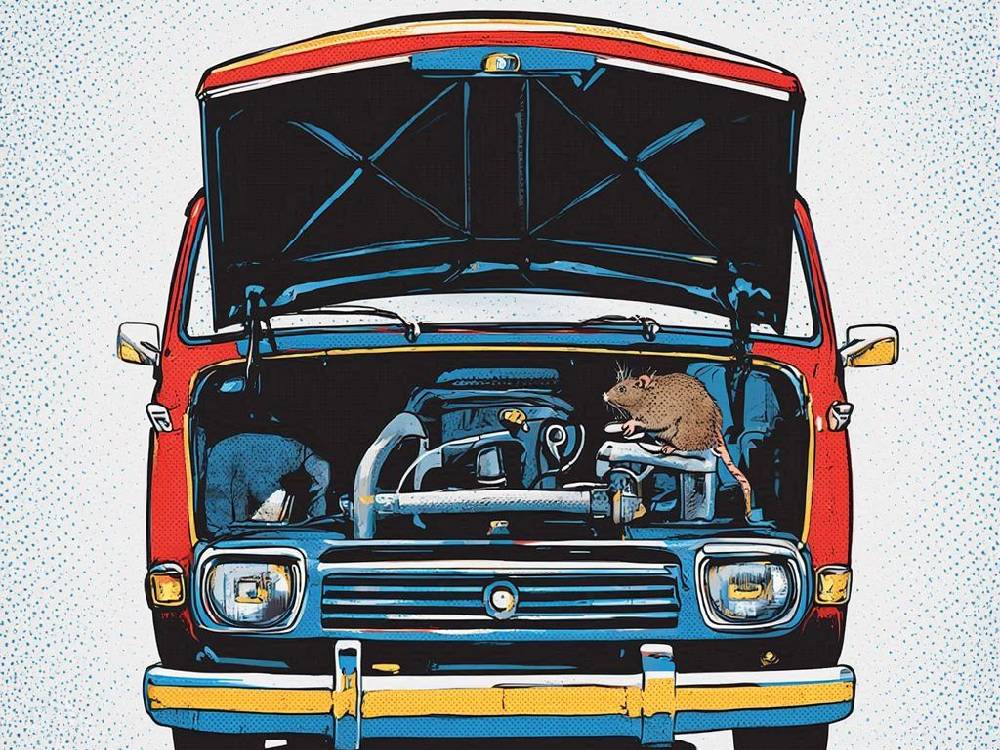
Rodent damage to vans in the Uk is rising.

Rodents are quietly causing thousands of pounds of vehicle damage across the UK, and as a result, Van Insurance claims linked to rats and mice are now rising rapidly.

  • Why rodents increasingly target vans during colder months
  • The most common types of damage caused by rats and mice
  • How rodent damage affects Van Insurance claims
  • Why work vans are especially vulnerable
  • Simple steps drivers can take to prevent costly repairs
  • How to protect your vehicle while still finding Cheap Van Insurance

Why Rodent Damage To Vans Is Rising As Rats Target Vans

During winter, rodents actively search for warm shelter.

Naturally, parked vehicles provide exactly that.

Engine compartments stay warm long after a van has stopped running.

Consequently, they become extremely attractive nesting spots.

Here’s the surprising part…

Rodents can squeeze through incredibly small openings.

Grilles.

Ventilation gaps.

Wheel arches.

Even slightly open windows.

Once inside a van, rodents quickly start building nests.

Soft insulation becomes bedding.

Plastic covers provide shelter.

Meanwhile, wiring becomes chewing material.

As a result, damage can begin within hours.

However, most drivers remain completely unaware.

Why Urban Areas See More Rodent Damage To Vans

Cities create ideal environments for rodents.

Population density is higher.

Food waste is easier to access.

Drainage systems provide perfect hiding places.

Consequently, rat populations thrive in many urban areas.

Older infrastructure makes the problem even worse.

Meanwhile, rodents easily move between drains, streets and parked vehicles.

As a result, vans parked overnight often become easy targets.

Especially in large cities.

Why Work Vans Are More Attractive To Rodents

Work vans create perfect conditions for nesting rodents.

Firstly, they often remain parked for long periods.

Secondly, engine bays stay warm after long journeys.

Thirdly, vans sometimes contain food packaging or crumbs.

In addition, commercial vehicles often sit overnight in quiet areas.

Now consider this…

Tradespeople frequently park vehicles outside homes.

Delivery drivers leave vans in busy streets.

Construction workers leave vehicles near building sites.

Each scenario provides an opportunity.

Therefore, rodents increasingly enter these vehicles unnoticed.

The Most Common Types Of Rodent Damage To Vans

Rodents rarely cause just one problem.

Instead, they damage multiple components at once.

And unfortunately, the damage often remains hidden.

Until something stops working.

Mechanics regularly discover rodent nests in unexpected locations.

Inside engine compartments.

Behind passenger airbags.

Under dashboard panels.

But the nesting itself is rarely the biggest problem.

The chewing is.

Chewed Wiring Is the Most Common Issue

Rodents instinctively chew materials to control tooth growth.

Unfortunately, vehicle wiring becomes an easy target.

Modern vans rely heavily on electrical systems.

Consequently, damaged wiring can trigger numerous faults.

Sensors stop working.

Dashboard warning lights appear.

Battery systems fail.

Sometimes the vehicle refuses to start altogether.

Now here’s the worrying part…

Even a single damaged wire can disable multiple vehicle systems.

Which means repairs quickly become expensive.

Rodent Damage To Vans: Interior Damage Is Also Increasing

Rodents don’t stop with wiring.

They frequently chew interior materials as well.

Seats.

Seatbelts.

Footwells.

Carpets.

Sound insulation.

Although this damage may appear cosmetic at first, repairs can still be costly.

Especially when entire interior sections require replacement.

Fuel And Water Leaks Can Also Occur

In more serious cases, rodents bite through hoses and piping.

Fuel lines sometimes become damaged.

Water hoses may also be punctured.

Consequently, leaks can develop.

Over time, these leaks can create major mechanical problems.

In rare cases, they may even create fire risks.

Why Modern Vans Are More Vulnerable To Rodent Damage To Vans

Modern vans contain far more electronics than older vehicles.

As a result, even minor rodent damage can cause major issues.

Sensors monitor everything.

Braking systems.

Engine performance.

Battery management.

Suspension behaviour.

Therefore, a single chewed cable can trigger multiple warning systems.

Which makes diagnostics more complex.

And repairs more expensive.

Now here’s something many drivers don’t realise…

Rodent Damage To Vans Increasingly Appears In UK Insurance Claims

In fact, insurers now treat this as a growing risk.

Drivers who understand their cover often avoid unpleasant surprises.

For example, understanding policy details can make a huge difference.

You can learn more about cover options here:

https://www.cheapvaninsurance.co.uk/

However, many drivers only discover the problem after something goes wrong.

And at that point, repair costs may already be significant.

Meanwhile, repeated claims may also affect premiums.

Which is why understanding insurance factors is important.

For example, you can read more here:

https://www.cheapcarinsurance.co.uk/is-business-van-insurance-cheaper/

Because when claims increase, finding Very Cheap Van Insurance becomes harder.

How Rodent Damage Can Affect Your Van Insurance Claim

Rodent damage may look minor at first.

However, the insurance implications can be significant.

Because once electrical systems fail, repair costs often escalate quickly.

Here’s the catch…

Not every Van Insurance policy treats rodent damage the same way.

Some comprehensive policies include cover.

Others apply strict conditions.

Therefore, insurers usually examine how the damage occurred.

For example, vehicles left unused for long periods may raise questions.

Consequently, drivers should understand their policy details.

Otherwise, a claim could face delays.

Or even rejection.

Understanding policy conditions is essential.

For instance, this guide explains how vehicle details can affect insurance cover:

https://www.cheapvaninsurance.co.uk/2024/09/25/w

Because small details sometimes make a big difference.

Why Work Vans Face Higher Rodent Risk

Work vans often attract rodents more than personal vehicles.

Firstly, they remain parked for longer periods.

Secondly, engine bays stay warm after long journeys.

Thirdly, vans sometimes contain food packaging or crumbs.

As a result, rodents see them as safe nesting places.

Now consider this…

Tradespeople often park vans overnight in busy streets.

Delivery drivers leave vehicles stationary for hours.

Construction vans sit near quiet job sites.

Each situation creates opportunity.

Consequently, rodents gain easy access.

Meanwhile, many drivers never check the engine compartment.

Therefore, nests remain hidden.

Until warning lights suddenly appear.

Drivers who stay proactive often avoid expensive repairs.

This article explains why understanding van risks matters for drivers:

https://www.cheapvaninsurance.co.uk/2026/01/05/van-insurance-exposed-what-really-happens-when-cover-isnt-right/

Because prevention almost always costs less than repairs.

How Drivers Can Reduce The Risk

Fortunately, a few simple steps reduce rodent damage significantly.

Firstly, inspect the engine bay regularly.

Look for shredded insulation.

Leaves.

Or nesting material.

Secondly, avoid leaving food inside the vehicle.

Even small crumbs attract rodents.

Thirdly, park in well-lit areas when possible.

Rodents prefer dark, quiet environments.

In addition, start the van regularly.

Vehicles left unused for long periods attract nesting animals.

Meanwhile, routine servicing helps detect problems early.

And early detection prevents major repair bills.

Drivers who prevent damage often maintain lower premiums.

Which makes finding the cheapest van insurance far easier.

Conclusion

Rodent damage may seem unlikely.

However, it is becoming an increasing problem for UK van drivers.

Cold weather pushes rodents into warm vehicles.

Urban environments make the issue worse.

Meanwhile, modern vans contain complex electrical systems.

As a result, even small damage can lead to expensive repairs.

Drivers who check their vehicles regularly often avoid major problems.

Meanwhile, understanding insurance cover protects against unexpected costs.

If you want to learn more about protecting your policy and reducing premiums, these guides may help:

https://www.cheapvaninsurance.co.uk/2024/10/02/10-simple-hacks-to-lower-your-van-insurance-and-save-big/

https://www.cheapvaninsurance.co.uk/2025/09/29/van-insurance-how-to-find-the-cheapest-van-insurance-in-the-uk/

Because protecting your van today can help secure Cheap Van Insurance tomorrow.

Van Insurance Exposed: What Really Happens When Cover Isn’t Right

Introduction

Van insurance rarely feels urgent.

Until it suddenly does.

On Weymouth seafront, a routine police stop became a public lesson in UK van insurance.

Not theory.

Not fine print.

Real consequences, unfolding in real time, for a working delivery driver.

Delivery Van Seized On Weymouth Seafront After Van Insurance Check

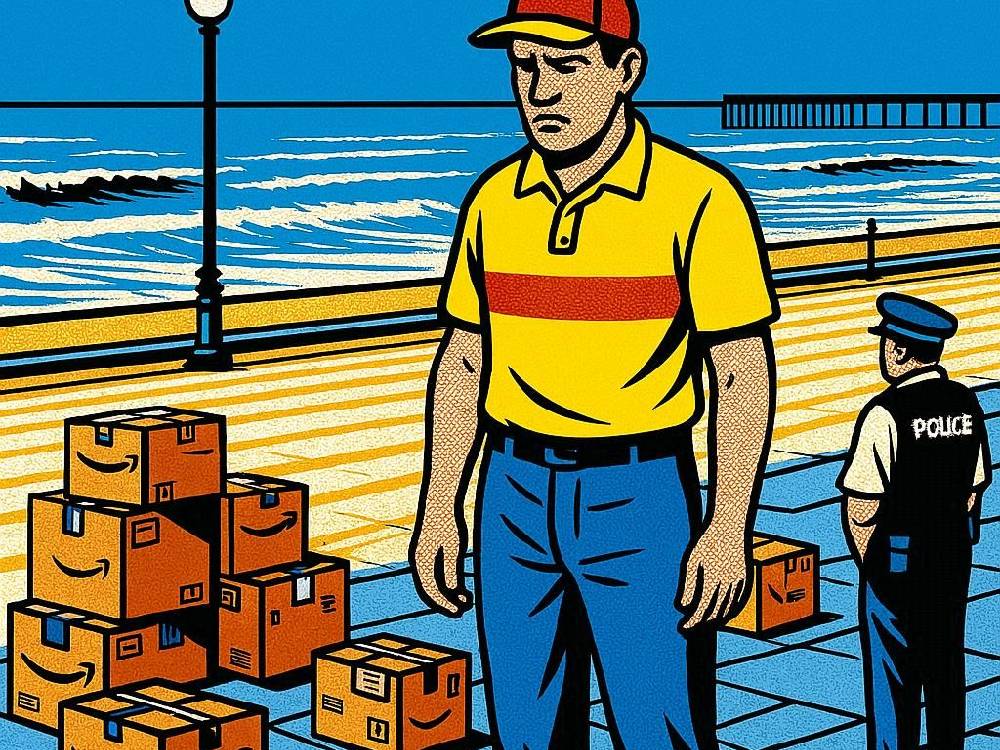
Police stopped the delivery van along Weymouth seafront.

Officers carried out routine roadside checks.

At first, nothing seemed unusual.

Then the insurance check returned a problem.

The driver held no valid cover.

Police seized the van on the spot.

This issue went beyond paperwork.

The driver didn’t wait on a delayed certificate.

The van travelled the road without valid Van Insurance.

That single fact changed everything.

Meanwhile, Dorset Police confirmed that officers run these checks regularly.

They prioritise commercial vehicles.

They focus on insurance and roadworthiness.

Because of that, police don’t treat uninsured driving lightly.

Not now.

Not ever.

Driving without insurance can lead to immediate vehicle seizure and further penalties.

Driver Ordered To Unload Parcels On Public Footpath

Officers then gave the driver clear instructions.

They told him to unload the van.

Every parcel.

Immediately.

The driver removed around 80 packages.

Passers-by stopped to watch.

People gathered.

Phones appeared.

This moment made everything visible.

And uncomfortable.

Many observers believed the parcels contained Christmas deliveries.

Wrong place.

Wrong time.

Maximum exposure.

Suddenly, the cost of not having Very Cheap Van Insurance didn’t look cheap at all.

This situation went beyond inconvenience.

It disrupted an entire delivery route.

Christmas Deliveries And The Real Cost Of Invalid Van Insurance

Timing matters.

Especially in delivery work.

As Christmas approaches, parcel volumes surge.

Deadlines tighten.

Pressure builds.

When police seize a van during peak season, the damage multiplies.

Customers wait.

Routes collapse.

Reputations suffer.

Crucially, insurers don’t care what a driver assumes.

Police don’t either.

That’s exactly why many drivers chase the Cheapest van insurance without checking what the policy actually allows.

And that’s where mistakes happen.

Here’s the problem.

Parcels Supervised While Replacement Van Was Arranged

The driver stayed with the parcels.

He supervised them on the pavement.

Meanwhile, colleagues arranged a replacement van.

Another driver headed to the scene.

Deliveries resumed later.

But delay costs money.

Time disappeared.

Routes slipped.

Efficiency collapsed.

Most drivers never factor this part in.

Vehicle seizure doesn’t end the problem.

It starts a chain reaction.

That reality explains why Van Insurance protects more than legality.

It protects continuity.

That’s why many drivers work with specialists like Cheap Van Insurance instead of relying on generic cover.

Cheap only works when it covers the right risk.

Dorset Police Warning On Driving Without Van Insurance

Dorset Police later addressed the incident.

Officers confirmed they run roadside checks frequently.

They target commercial vehicles deliberately.

Why?

Because uninsured vans increase risk.

For businesses.

Other road users.

And for drivers themselves.

Driving without valid insurance can lead to:

  • Immediate seizure.
  • Fixed penalties.
  • Court proceedings.
  • Higher future premiums.

Once police seize a van, consequences follow fast.

This is where many drivers misjudge the risk.

Why Police Van Insurance Checks Are Increasing

Insurance enforcement follows strategy, not chance.

Police now rely heavily on ANPR systems.

Databases update continuously.

Commercial vans stand out clearly.

As a result, officers don’t need suspicion.

Data triggers the stop.

If a policy doesn’t match the vehicle’s use, police act immediately.

That shift explains why drivers must understand policy types properly.

Many still misunderstand the difference between private and business use.

That confusion alone can invalidate cover.

Drivers unsure about their situation should understand whether business van insurance is cheaper and appropriate before driving.

Assumptions cost money.

Enforcement keeps accelerating.

When “Cheap” Becomes Costly for UK Van Drivers

Most uninsured driving cases don’t involve intent.

They involve misunderstanding.

Drivers often assume:

  • Employer cover applies automatically.
  • Courier platforms include insurance.
  • Occasional paid work “doesn’t count”.

Insurers don’t accept those assumptions.

Policy wording matters.

Declared usage matters.

Small errors void cover.

That’s why resources like Are you driving a car or a van? Check your insurance policy exist.

One wrong assumption can put a driver on a pavement, unloading parcels in front of strangers.

It sounds extreme.

Until it happens.

The Bigger Lesson Hidden in a Simple Police Stop

This incident didn’t shock because of flashing lights.

It shocked because it felt ordinary.

A normal driver.

Normal route.

Normal working day.

Then police stopped the van.

And everything changed.

That’s why Van Insurance demands attention before a driver turns the key.

Not after.

Once police seize a van, paperwork can’t save the day.

What This Incident Teaches UK Van Drivers

More importantly, this incident exposes a wider pattern.

Specifically, uninsured driving rarely begins with recklessness.

Instead, it usually begins with misunderstanding.

For example, many drivers assume courier platforms handle insurance automatically.

However, insurers separate platform access from personal responsibility.

Likewise, some drivers believe short journeys fall outside policy rules.

In reality, insurers count every mile, every time.

Equally, others assume personal cover stretches into paid delivery work.

Unfortunately, it doesn’t.

As a result, many drivers operate outside their policy without realising it.

Consequently, risk builds quietly.

Then, suddenly, police intervene.

At that point, explanations stop mattering.

The Employer vs Driver Insurance Grey Area

At first, responsibility feels unclear.

On one side, companies assign routes and deadlines.

On the other side, drivers remain legally accountable.

Therefore, drivers must verify cover themselves.

They can’t rely on assumptions or verbal reassurance.

Moreover, insurers demand precision.

They expect declarations to match reality.

As a result, even experienced drivers face issues when roles change.

That’s why guidance like Can I get van insurance as a new driver? still applies later in a career.

Because context matters.

And context resets risk.

Why Cheap Van Insurance Needs Proper Structure

At first glance, cheap cover feels efficient.

After all, lower premiums protect margins.

However, cheap only works when the policy aligns with usage.

Otherwise, savings disappear instantly.

More importantly, invalid cover costs far more than premiums ever could.

For that reason, many drivers now look beyond headline price.

Instead, they prioritise clarity.

They prioritise suitability.

They prioritise compliance.

Consequently, interest grows in options like How telematics devices can save you money on van insurance.

Because telematics rewards correct behaviour.

And, crucially, it aligns policy with reality.

Van Insurance Enforcement Pressure Continues To Rise

Crucially, enforcement pressure shows no sign of easing.

In fact, technology accelerates it.

ANPR systems flag mismatches instantly.

Meanwhile, databases update continuously.

As a result, officers don’t rely on suspicion.

Instead, data drives decisions.

At the same time, councils support stronger compliance measures.

Therefore, uninsured vans stand out faster than ever.

This context explains why articles like Why proper vehicle compliance is crucial for road safety resonate so strongly.

Because compliance no longer sits at the edges.

It sits at the centre.

The Overlooked Risk That Follows Drivers

Here’s what many drivers miss.

Insurance problems compound.

First, police seize the vehicle.

Then, insurers cancel policies.

After that, future premiums rise sharply.

Consequently, one mistake follows drivers for years.

Additionally, employers hesitate.

Meanwhile, courier platforms tighten onboarding checks.

Ultimately, drivers lose access to work.

That’s why this incident matters beyond one afternoon.

It shapes long-term insurability.

Therefore, understanding details like what counts as a modification for van insurance becomes essential.

Because small details invalidate cover faster than most expect.

Conclusion

Ultimately, this Weymouth stop delivered a simple message.

Van insurance leaves no room for assumptions.

It offers no flexibility after mistakes.

Although the parcels moved on, the warning remains.

Assumptions cost money.

Gaps cost time.

Invalid cover costs livelihoods.

Therefore, drivers seeking Cheap Van Insurance UK must prioritise accuracy alongside price.

If you want to explore similar guidance and real-world cases, these articles may help:

Because when enforcement happens, preparation matters more than price.

This Simple Winter Slip Could Void Your Van Insurance

Introduction

Van insurance…

Winter driving changes everything.

Because suddenly the rules tighten and the risks rise.

And your Van Insurance becomes far more fragile than most drivers realise.

And here’s the difficult truth.

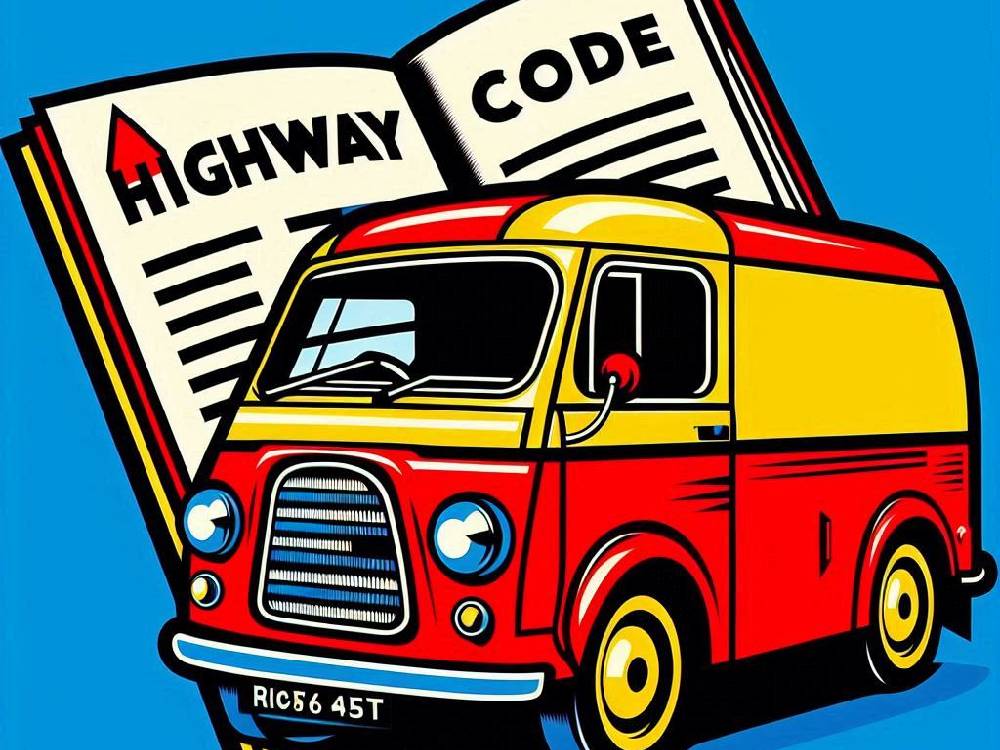
Most van drivers unknowingly break winter Highway Code rules before they even start the engine.

The penalties can reach £2,500 and add six points.

They can even invalidate a Cheap Van Insurance UK policy.

So what should you focus on first?

Why Cold Weather Makes Van Insurance More Fragile

Everything becomes harder in winter.

Roads stay wet for longer.

Visibility drops without warning.

Tyres lose grip far faster than most drivers expect.

And yet the biggest risk isn’t always the road.

It’s the insurance consequence.

Because insurers expect you to take reasonable care.

And winter conditions raise that standard dramatically.

But how does this affect your Van Insurance?

Here’s where it gets serious.

If you crash after ignoring a winter rule — even by accident — insurers notice.

And they may see the incident as avoidable.

Therefore, your claim can be reduced, delayed or rejected entirely.

Want an example?

Rule 229: Dirty Number Plates — A £2,500 Oversight

Snow hides plates.

Mud hides plates.

Wet leaves hide plates.

And drivers rarely check them.

Yet your number plates must be completely visible and legible from 20 metres.

This rule matters even more in winter.

Because visibility isn’t just a cosmetic requirement.

It’s a legal one.

Failing to clear your plates can trigger a fine of up to £2,500.

Even worse, police may mark your van as “not identifiable,” which insurers take very seriously.

But there’s a bigger risk.

If your plate can’t be read after a collision, investigators notice.

They may decide you didn’t meet the legal standard of care.

And that can jeopardise even the Cheapest Van Insurance policy.

Want to avoid that?

Start every winter journey by wiping plates, lights, mirrors and windows.

Even a quick 20-second check can save your cover.

Rule 234: Stopping Distances Double In Wet Weather

Here’s where many drivers get caught out.

Stopping distances don’t increase slightly.

They double.

Sometimes more.

When roads are wet or icy, your tyres lose friction.

Your van takes longer to slow down, and sudden steering can cause a skid.

Although this sounds obvious, insurers view it differently.

Because if you hit another vehicle in winter and haven’t adjusted your speed, insurers notice.

They can argue you “failed to adapt to the conditions.”

Consequently, your Van Insurance claim may be partially — or fully — denied.

So what should you do?

Slow earlier.

Brake lighter.

Maintain far more space.

And remember: the Highway Code expects you to anticipate danger, not react to it.

Rule 236: Fog Light Misuse — A Hidden Van Insurance Risk

Fog lights feel simple.

They’re not.

In fact, they’re one of the most misunderstood winter features.

Because you must not use rear fog lights unless visibility is “seriously reduced.”

Yet many drivers turn them on the moment it gets dim.

This creates glare.

It blinds drivers behind you.

It hides your brake lights.

And therefore it becomes a hazard.

Although many drivers see fog lights as “extra safety”, the law sees misuse as careless driving.

But why does this matter for Cheap Van Insurance?

Because insurers expect you to keep other drivers safe.

If your fog lights cause a collision, liability may fall squarely on you.

Suddenly, that simple switch becomes a four-figure mistake.

Rule 123: The Idling Trap —

Why Pre-Heating Your Van Could Invalidate Your Van Insurance

Cold mornings tempt every driver.

You want to warm the van.

You want the windows clear.

And a comfortable start.

Yet idling your van unattended is illegal.

Moreover, it’s one of the fastest ways to void Very Cheap Van Insurance without realising.

Because thieves target idling vans in winter.

And insurers rarely cover “key-in ignition” theft.

Even worse?

You may also face penalties for unnecessary engine idling — a growing enforcement priority in many UK cities.

But here’s the crucial part.

If your van gets stolen while idling, your insurer may argue that you failed to protect the vehicle.

And they would be right.

A two-minute warm-up could cost you thousands.

To understand how driving behaviour affects your policy, see our guide on vehicle compliance.

Snow On Your Roof — The Winter Hazard Most Drivers Forget

Snow looks harmless.

But it’s not.

Because once you start moving, the snow on your roof shifts.

It can turn into a sheet of ice that slides down your windscreen.

And that changes everything.

The Highway Code classifies this as “driving in a dangerous condition.”

That means penalty points, fines, and the very real risk of invalidated Van Insurance if visibility is impaired.

But here’s the twist.

Even if the snow doesn’t fall onto your screen, it can blow backwards and hit vehicles behind you.

Suddenly you’re liable for creating a hazard.

Therefore, clearing the roof isn’t optional.

It’s essential.

Rule 228 — The Cold-Weather Essentials Every Van Driver Must Carry

Winter punishes the unprepared.

Because when conditions turn, you won’t always get a warning.

That’s why Rule 228 recommends emergency supplies — and insurers expect you to follow that guidance.

So what should you carry?

A de-icer.

An ice scraper.

A torch.

Warm clothing.

Boots.

Jump leads.

A first-aid kit.

These aren’t nice-to-haves.

They’re a lifeline.

Moreover, if you break down without essential equipment, insurers notice.

They may say you didn’t take reasonable precautions for the season.

But here’s the real danger.

A single missed item can turn a minor delay into a major incident.

And that’s exactly what winter tries to exploit.

Why Winter Compliance Protects Your Safety — And Your Van Insurance Wallet

Everything you do in winter counts twice.

Because safety decisions become insurance decisions.

And insurance decisions become financial consequences.

When you follow winter rules, insurers see responsibility and caution.

Those traits help keep premiums lower and protect your claims from dispute.

But here’s where it gets even more important.

Drivers who ignore winter guidance often face:

  • Higher excess payments
  • Claim rejections
  • Premium increases
  • Liability complications

Mistakes cost more in winter.

Yet preparation always costs less.

And although winter feels unpredictable, your actions remain the one thing you control.

Therefore, checking your van, clearing your view, and understanding Highway Code rules isn’t a chore.

It’s a protective strategy that reduces risk and keeps you eligible for the Cheapest Van Insurance possible.

For further winter protection strategies, learn how telematics saves van drivers money:
https://www.cheapvaninsurance.co.uk/2023/03/09/how-telematics-devices-can-save-you-money-on-van-insurance/

Conclusion

Winter punishes every mistake.

Because the rules tighten, the penalties rise, and the margin for error becomes razor-thin.

Especially when your Van Insurance depends on how carefully you handle your vehicle in cold weather.

Therefore, taking a few extra minutes before every journey isn’t just smart.

It’s financially essential.

Visibility checks, roof clearing, fog light discipline and stopping-distance awareness all matter in winter.

Because every one of these actions influences how insurers judge your decisions.

And those decisions shape whether your claim is protected, reduced, or denied.

Ultimately, cold-weather safety isn’t only about surviving winter roads.

It’s about protecting your cover, your licence, and your wallet.


Van Insurance: The Hidden Risk Sitting On Your Windscreen

Introduction

Starting your van with a misted windscreen might feel harmless, but it can affect your van insurance

Yet it can instantly put your licence, your safety, and even your Van Insurance at risk.

Because when visibility drops, accident likelihood rises.

And when risk rises, insurance problems follow quickly.

So here’s the uncomfortable truth.

A simple patch of condensation could end up costing you far more than a morning delay.

So what should van drivers know before setting off?

Let’s break it down clearly.

Van Insurance: Follow One Crucial Instruction Before Setting Off

Driving off with a misted windscreen might seem like a tiny shortcut.

Yet it is actually breaking the law because it impairs your ability to see the road ahead.

And when visibility is compromised, everything else becomes more dangerous.

Insurance companies see this as unnecessary risk.

Therefore, even a minor collision caused by poor visibility can create expensive complications for your Van Insurance.

Worse still, the claim may even be challenged depending on the circumstances.

If you want to understand how risk factors shape premiums, start with this:

Why proper vehicle compliance is crucial for road safety.

But here’s the thing.

Most drivers don’t realise visibility issues begin inside the cabin long before they turn the ignition.

Why Your Windscreen Mists Up (the simple science)

Windscreen fog forms because warm, moist air meets cold glass and instantly condenses.

Your breath, body heat, and damp clothing all increase cabin humidity.

And although this feels normal, it quietly becomes a safety hazard.

Because condensation always looks harmless at first.

Yet the real danger appears the moment you begin to move.

And here’s the twist.

The colder the morning, the worse the internal moisture becomes — especially in vans with large interior space.

How To Clear Your Windscreen In “double-quick” Time

Start your heater cold.

Then slowly increase the temperature.

This matters because blasting hot, wet air directly onto cold glass actually creates more condensation before it removes it.

Therefore, a slow temperature climb dries the cabin without overloading it.

It’s a simple trick, yet most van drivers never use it.

But wait — there’s more.

Make sure the heater is pointed at the windscreen and side windows first, because that’s where visibility matters most.

And here’s where psychology kicks in.

Once you understand how fast this method works, you never return to the old habits.

Balancing Warmth, Comfort, And Visibility

On colder mornings, you might feel tempted to blast the hot air at yourself instead.

However, this keeps the van warm while allowing the glass to remain dangerously misted.

Drivers are warned not to move until all glass surfaces are fully clear.

This is essential because even small patches of fog can distort angles and depth perception.

Consequently, a rushed start can easily turn into a costly claim — and nobody wants that when searching for Cheap Van Insurance.

So remember this.

Warmth is optional.

Visibility is not.

Why Air Conditioning Matters More Than You Think, And Could Affect Van Insurance

AC systems don’t just cool the cabin.

They dry the air.

This makes them incredibly effective at preventing re-condensation after the heater begins evaporating surface moisture.

Although the air may cool again after drying, the crucial point is this: the drier your cabin, the faster the mist disappears.

And there’s another benefit.

Using AC helps prevent hidden damp, which can create long-term fogging issues.

Something that may later affect roadworthiness checks or insurance inspections.

If you want to explore how smart tech can further reduce risk, see this internal guide:

How telematics devices can save you money on van insurance.

When Your Van Refuses To Demist — Hidden Issues You Shouldn’t Ignore

Sometimes your van simply won’t clear, no matter how long the heater runs.

This usually signals a mechanical or airflow problem.

The most common cause is a fault with the air conditioning or temperature control system.

And because these components manage moisture in the cabin, any malfunction dramatically slows demisting.

However, blocked vents or clogged cabin filters can do the same.

And here’s the real risk.

If visibility becomes impaired because of neglected maintenance, insurers may view it as avoidable negligence.

You don’t want a rejected claim sitting on your record when searching for Very Cheap Van Insurance in the UK.

For more on how unexpected van issues affect premiums, see this helpful breakdown:

Average Prices, Hidden Fees & How To Save.

When To Call A Professional — And Why It Matters For Van Insurance

If your van still won’t demist after using the correct heater and AC method, it’s time for a mechanic.

A garage will check coolant levels, thermostat performance, heater cores, filters, and ventilation pathways.

Even minor blockages can trap moisture and stop airflow from reaching the windscreen.

And although many drivers delay repairs, visibility faults only worsen over time.

Consequently, police can issue penalties for driving with obstructed vision.

Insurance providers also expect your van to remain roadworthy, which means demisting systems must function properly.

Therefore, ignoring the issue can quietly add risk to your Van Insurance profile.

To understand how van behaviour influences cover, here’s a deeper look:

Why UK tradespeople are driving further for better pay — and how it affects insurance.

How Demisting Habits Influence Your Van Insurance Long-Term

Every insurer calculates premiums based on risk.

Therefore, anything that increases the chance of a collision — including impaired visibility — affects your policy.

And because many claims happen during winter mornings or wet conditions, insurers watch visibility-related accidents closely.

This is why consistently clearing your windscreen protects more than your safety.

It protects your record.

And once your record stays clean, securing Cheap Van Insurance becomes far easier.

If you want to understand how insurers think about risk, here’s something useful:

Cheap Van Insurance — why a little detail matters most.

Conclusion

A misted windscreen may feel like a minor inconvenience, yet it holds the power to affect your safety, your finances, and your long-term Van Insurance costs.

Because when visibility drops, accidents rise — and when accidents rise, premiums follow.

And the simplest way to stay protected is also the quickest:

Clear the glass fully, use your AC wisely, and never move off until the view is completely unobstructed.

Do this consistently and you’ll not only stay safer on the road but also preserve your eligibility for the Cheapest Van Insurance across the UK.


Van Insurance: New MOT, Tachograph & Speed-Limiter Rules Will Transform Driving

Introduction

Van insurance: Electric van rules in the UK are shifting at speed.

New MOT, tachograph, and speed-limiter updates will transform safety and insurance duties.

Furthermore, these regulatory adjustments influence risk.

They influence operational choices.

They even influence how easily you secure Cheap Van Insurance UK in an increasingly competitive market.

Government Changes Announced For Electric Vans

The Government has now confirmed essential regulatory changes for zero-emission vans between 3.5 and 4.25 tonnes.

Consequently, these heavier electric vans will finally follow rules similar to their lighter diesel and petrol counterparts.

And here’s the twist.

For years, fleets argued that outdated testing frameworks slowed electric-van adoption and increased unnecessary administrative pressure.

Additionally, the consultation that began in December 2024 gathered widespread concerns about complexity, inconsistency, and operational cost.

The British Vehicle Rental and Leasing Association (BVRLA) strongly welcomed these reforms.

The BVRLA’s chief executive, praised the announcement as a breakthrough that the Zero Emission Van Plan had consistently pushed for.

So what does this mean for you?

You’re now moving into a regulatory environment designed to accelerate adoption, reduce friction, and simplify compliance.

If you’re unsure how regulatory changes influence premiums, this guide offers a strong foundation:

Are You Driving a Car or a Van? Check Your Insurance Policy

But for now…

Let’s explore why these changes directly affect your Van Insurance.

Why These Changes Matter For Van Insurance

Compliance consistently shapes insurer risk calculations.

Therefore, regulatory changes inevitably influence premiums.

Premium levels determine how close you eventually get to securing the cheapest van insurance possible.

And here’s the real insight.

Regulatory updates are never just policy shifts.

Instead, insurers treat them as signals about safety, predictability, and claim likelihood.

If a rule strengthens driver oversight, improves consistency, or reduces ambiguity, insurers may lower premiums accordingly.

However, the opposite remains equally possible.

More vehicle weight may create new risk patterns.

Electrical systems may introduce operational uncertainty.

More rule changes may create temporary confusion.

So, staying informed becomes essential.

It becomes the lever that lets you access Cheap Van Insurance before rising-risk drivers push premiums upward.

For a deeper look at how compliance improves safety and insurance outcomes, this resource is invaluable:

Why Proper Vehicle Compliance Is Crucial for Road Safety

MOT Changes Explained (Class 7 Reform)

Here’s where the landscape shifts significantly.

The DfT admitted the old testing system for 3.5–4.25-tonne electric vans was too demanding.

It placed unnecessary pressure on operators.

Consequently, that testing system slowed adoption.

It discouraged investment.

It increased operational downtime.

By shifting these vans into the Class 7 MOT system, the Government intends to streamline testing and reduce unnecessary friction.

But wait.

Many respondents supported the change.

However, some warned new MOT structures could create blind spots without updated testing protocols.

Still, the central benefit remains compelling.

Easier testing means simpler compliance.

Simpler compliance often leads to fewer administrative bottlenecks.

And fewer bottlenecks can strengthen your ability to secure very cheap van insurance, especially when insurers reward consistency.

To see how compliance intersects with cost-saving technology, this guide is essential reading:

How Telematics Devices Can Save You Money on Van Insurance

Tachograph Rules For 4.25-Tonne Electric Vans

Tachographs monitor driving hours.

Monitoring driving hours shapes behavioural patterns.

And behavioural patterns directly influence risk.

That’s why tachograph rules matter so much.

Under the new proposals, heavier electric vans must meet monitoring expectations that mirror those applied to diesel vehicles.

As a result, fleets will follow clearer, more consistent operational guidelines.

Insurers analyse tachograph data because fatigue, excessive speed, and erratic patterns strongly correlate with claim frequency.

Therefore, any update to tachograph rules inevitably shifts how insurers evaluate risk.

And here’s the important question.

Are you prepared to meet these new monitoring expectations before insurers reshape their pricing models?

If not, your premiums could rise steadily without you noticing.

To understand how insurers respond to technological oversight, this resource provides useful context:

Top Van Insurance Savings Every UK Driver Must Learn

But here’s the bigger issue…

These changes could either reduce your risk profile — or increase it, depending on how quickly you adapt.

Speed Limiter Rules Under Review: Van Insurance Cost

Speed limiters control risk in large electric vans.

Because of this, the Government reviewed how these devices should operate.

Some fleets welcomed stricter limiter rules.

However, others feared reduced flexibility on long or varied routes.

So the debate continues as data develops.

And here’s the key point.

Speed consistency influences accident rates.

Consequently, insurers monitor limiter settings closely.

If your van maintains predictable speeds, you often appear lower risk.

Therefore, these limiter updates may influence the cost of Van Insurance for years.

What Drivers And Fleets Should Do Next

Although these rule changes seem technical, they influence everyday operations.

Therefore, drivers must prepare early.

Review your MOT schedule now.

Check whether your van falls within the 3.5–4.25-tonne category.

Update tachograph devices and settings.

Verify speed-limiter configurations before enforcement tightens.

And here’s the real advantage.

If you comply early, insurers may assess your risk more favourably.

Consequently, you strengthen your ability to secure Cheap Van Insurance UK long before premiums shift.

For practical steps that reduce long-term costs, this guide is useful:

Why Public Charging Challenges Are Costing Van Owners in the UK

The Bigger Picture For Electric Van Insurance

Electric vans are central to the UK’s long-term transport goals.

Therefore, regulations will keep evolving.

Some rules will simplify operations.

Others will introduce new responsibilities.

Insurers will adapt as data grows.

Premiums will fluctuate as behaviours shift.

Because of this, drivers who stay informed gain a real advantage.

They spot risk trends early.

They adjust before premiums rise.

And they often secure the cheapest van insurance because they remain aligned with safety expectations.

If you want insight into how sudden changes disrupt real drivers, this article is revealing:

Van Insurance: The MOT Warning Every Driver Should Know

Conclusion

These new MOT, tachograph, and speed-limiter rules mark a major shift for UK electric van operators.

Because of these changes, risk assessments will evolve.

Premiums may rise or fall depending on compliance patterns.

And the gap between high-risk and low-risk drivers will widen sharply.

Therefore, if you want Cheap Van Insurance in a fast-changing market, early preparation is essential.

For more insights that help protect your premiums, explore these related guides:

Van Insurance Safety Rules Every Driver Must Learn
Can I Drive a Van on My Car Licence? What You Need to Know First
Electric Van Insurance Upgrades Every Driver Should Know


Van Insurance: The MOT Warning Every Driver Should Know

Introduction

Van insurance…

Vans fail MOTs nearly twice as often as cars.

And that single fact could push your Van Insurance costs up faster than you realise.

Why Vans Fail MOTs Almost Twice As Often As Cars

Vans work harder than cars, and the stress shows up brutally during MOT inspections.

Daily mileage climbs fast.

Loads get heavier.

Components wear down sooner.

And because many vans earn their keep, maintenance often gets pushed aside until problems become impossible to hide.

Cheap Van Insurance prices reflect this reality, because insurers treat poor maintenance as a direct risk signal.

Although cars enjoy lighter usage and more consistent servicing, work vans often absorb harsher punishment with fewer breaks.

And that punishment shows up when the tester lowers the ramp.

For more on why proper compliance matters, see this guide:
https://www.cheapvaninsurance.co.uk/2023/04/20/why-proper-vehicle-compliance-is-crucial-for-road-safety/

Vans don’t just fail more often.

They fail for more dangerous reasons.

  • More wear
    Heavier loads
    Greater pressure

Here’s the key point:

The harsher your van’s workload, the higher your MOT risk — and the higher your van insurance risk.

How MOT Failure Directly Impacts Your Van Insurance Costs

Every MOT failure leaves a data trail.

Insurers analyse that trail when calculating your premiums.

Because repeated failures imply poor upkeep, providers treat them as warning signs.

Suddenly, getting the cheapest van insurance becomes far harder.

Moreover, MOT failure patterns allow insurers to predict future claims, repair costs, and breakdown risk with surprising accuracy.

A neglected van quickly gets labelled “high-risk.”

This hits long-distance tradespeople hardest.

And that risk drives your premium up.

But here’s where it gets even more serious…

If your MOT failure results in a “dangerous” classification, your van cannot legally be driven.

Driving it anyway could invalidate your Van Insurance instantly.

For more detail on the insurance implications of MOT status, see:
https://www.cheapcarinsurance.co.uk/is-business-van-insurance-cheaper/

The MOT Components Vans Fail Most Often

Most vans fail on the same brutal set of problem areas.

Brakes wear out fast.

Suspension components buckle under weight.

Tyres degrade from load, heat, and constant stop-start cycles.

Lights and electrics fail due to vibration and high-usage stress.

And emissions systems collapse under long-distance commercial driving.

Because these items fail more frequently on vans, insurers raise premiums to compensate.

So what does this mean for you?

Your path to Cheap Van Insurance starts with knowing what fails most.

Check those parts early to stay protected.

If you’d like to explore how telematics helps reduce risks like these, visit:
https://www.cheapvaninsurance.co.uk/2023/03/09/how-telematics-devices-can-save-you-money-on-van-insurance/

When An MOT Failure Can Invalidate Your Insurance

Most drivers don’t realise this.

If your van fails its MOT and receives a “dangerous” defect, your insurance may no longer protect you.

Why?

Because UK law requires your van to remain in a roadworthy condition at all times, whether the MOT is due or not.

A dangerous defect means the van is fundamentally not roadworthy.

Drive it anyway, and insurers can legally refuse claims.

Repair bills fall on you.

Accident liability falls on you.

And you could face fines, points, and seizures.

This is why proactive MOT preparation directly reduces insurance risk.

Learn more about the difference between car and van cover here:
https://www.cheapvaninsurance.co.uk/2023/05/11/are-you-driving-a-car-or-a-van-check-your-insurance-policy/

Here’s the kicker.

Once a van gets black-marked for repeated MOT failures, insurers may classify it as high-risk for years afterward.

Here’s Where It Gets Serious…

Police ANPR cameras now track overdue MOTs automatically.

DVSA roadside checks on commercial vans have doubled in the past decade.

Insurers pull MOT history instantly during quote calculation.

And older vans, especially workhorses, get priced higher because insurers expect more failures.

This is exactly why reviewing your maintenance habits is now one of the fastest ways to access very cheap van insurance.

For a look at how insurance groups influence premiums, check:
https://www.cheapvaninsurance.co.uk/2024/09/18/what-is-the-chea…-insurance-group/

Reduce MOT Failures And Cut Van Insurance Costs

Although MOT failure rates keep rising, you can still take control of your van’s reliability — and your insurance costs.

First, start with the simplest checks.

Because tyres wear rapidly under heavy loads, you should inspect tread and pressure weekly.

Additionally, ensure your brakes respond cleanly, since slow braking often signals early failure.

Furthermore, make sure all lights function correctly, especially after long, uneven journeys that cause vibration-related faults.

But here’s where most drivers slip up…

They delay servicing.

However, because vans take more daily stress, early servicing stops small issues becoming MOT failures.

Consequently, insurers see early maintenance as responsible, which often brings cheaper premiums.

If you want to understand how new drivers navigate these risks, read:
https://www.cheapvaninsurance.co.uk/2024/09/21/can-i-get-van-in…-as-a-new-driver/

How Maintenance Habits Affect Cheap Van Insurance

Maintenance tells a story — and insurers read every chapter.

Although many drivers assume MOT history is minor, insurers treat it as a long-term risk indicator.

Because fewer failures mean fewer claims, a consistent pass rate usually results in lower premiums.

Moreover, insurers increasingly use MOT histories to predict reliability, which means your habits directly influence future quotes.

In addition, small actions like proper tyre pressure or early bulb changes can greatly cut MOT failure risk.

Yet most drivers still overlook the financial value of these simple routines.

Because maintenance affects everything from safety to emissions, insurers reward those who take it seriously.

As a result, drivers seeking Cheap Van Insurance save more when they treat MOT prep as part of their strategy.

For more long-term cost-cutting ideas, explore:
https://www.cheapvaninsurance.co.uk/2024/09/21/top-van-insuranc…g-on-your-premiu/

Expert Strategies For Cheaper Premiums

Since MOT failures are now increasing year after year, many drivers assume insurance costs must rise too.

However, several expert strategies still help you secure cheap van insurance, even in a high-failure environment.

First, consider adjusting your voluntary excess.

Because higher excess lowers upfront risk for insurers, premiums often drop.

Second, improve your van’s security.

Although simple, deadlocks, alarms, and GPS trackers dramatically reduce theft risk — and therefore reduce premiums.

Third, reassess your mileage.

Because insurers price high-mileage vans higher, lowering unnecessary journeys can shift you into a cheaper risk bracket.

But here’s the most overlooked strategy…

Avoid unnecessary modifications.

Since modified vans create unpredictable risk, insurers often increase premiums or decline cover entirely.

Furthermore, switching insurers at renewal often reveals cheaper rates because risk gets recalculated.

Combining maintenance, accurate mileage, and solid security gives you the best chance at long-term

For more guidance on modifications and insurance risks, visit:
https://www.cheapvaninsurance.co.uk/2024/09/25/what-counts-as-a…or-van-insurance/

Conclusion 

Although van MOT failure rates continue climbing, you still have significant control over the impact on your insurance.

Insurers rely on MOT history, so every pass helps you while every failure pushes premiums up.

Therefore, by maintaining your van early and fixing issues fast, you unlock cheaper quotes.

Furthermore, Consistent maintenance protects your van and positions you for the cheapest van insurance in the UK.

Ultimately, Combine smart upkeep, accurate mileage, and good security to stay protected and pay far less for Van Insurance.

Similar articles worth exploring:
https://www.cheapvaninsurance.co.uk/2024/10/02/10-simple-hacks-…nce-and-save-big/
Why Taking Your Dog To Work Could Be A Costly Error
https://www.cheapvaninsurance.co.uk/2024/11/23/why-57-of-uk-van…-insurance-hikes/

The Truth About Van Insurance Dangers Of Van Contents

Introduction

The dangers of van contents.

A van exploded inside a crowded underground shopping centre car park after its roof struck a low concrete beam.

Although the blast was brief, the consequences were life-changing, forcing every UK van driver to confront a difficult truth:

The contents you carry can be far more dangerous than you think.

Here’s what this article covers:

  • The hidden dangers inside everyday van contents.
  • Why a simple height misjudgement can trigger disaster.
  • How cargo can invalidate Van Insurance.
  • Why Cheap Van Insurance still depends on safe loading.
  • The risks tradespeople face with tools, chemicals, and pressurised items.
  • How to avoid costly mistakes and secure the Cheapest van insurance possible.

Dangers Of Van Contents: When Van Contents Turn Deadly

The van explosion in the car park wasn’t a freak accident.

It was the predictable result of ordinary cargo meeting extraordinary force.

And here’s the twist.

Many UK drivers routinely carry items that can behave the same way under pressure.

Bold truth: Tools, batteries, gas canisters, and solvents can turn a minor collision into a catastrophe.

Think a low ceiling is harmless?

Think again.

When the van hit the overhead concrete beam, the contents shifted, compressed, and sparked.

That chain reaction sent the driver to hospital.

And yet, thousands of vans on British roads are loaded in ways that pose the same risk.

Remember the dangers of van contents.

Now, let’s dig deeper.

Why Height Misjudgement Creates Explosive Conditions

Most drivers know their van’s length.

But not its height.

That’s where trouble begins.

Because a single miscalculation can slam roof-mounted gear or stacked contents against a rigid surface.

Then things escalate quickly.

Very quickly.

Here’s the worrying part.

Compressed gas cylinders, fuel containers, lithium batteries, metal tools, and loose cargo behave unpredictably during sudden impact.

And when they do?

You’re not just risking damage.

You’re risking everything—your safety, your livelihood, and your Van Insurance.

So, where does insurance come into this?

Let’s keep going.

Insurers assess risk, not luck.

And badly loaded vans represent serious risk.

That’s why unsafe contents can void a policy in seconds.

Even with Cheap Van Insurance, insurers expect drivers to follow safe loading rules.

Miss the rules, and the consequences are brutal. So the dangers of van contents!

For example.

If your van is technically a car-derived vehicle but loaded like a commercial unit, insurers may treat the damage differently.

This is why every UK driver should confirm their vehicle class using guides such as
Are You Driving a Car or a Van?

Because incorrect categorisation can invalidate claims instantly.

Let’s keep building the picture.

When Everyday Items Become High-Risk Cargo – Dangers Of Van Contents

Some dangers are obvious.

Others hide in plain sight.

Here’s where most drivers slip up.

They carry battery packs for tools.

Store paints, adhesives, and fuel mixes.

Leave metal tools loose, believing a gentle drive keeps them still.

But the moment something shifts, everything changes.

Even a pothole can produce a force strong enough to activate a tool trigger or damage a volatile container.

Now think back to the van explosion.

The impact didn’t need to be severe.

It only needed the right conditions.

And those conditions exist in many UK work vans every single day.

So what does this mean for Cheap Van Insurance UK?

Let’s break it down.

Unsafe Loads Drive Premiums Higher

Insurers know the data.

Vans with improperly secured cargo suffer more collisions, more severe damage, and more fire-related claims.

Consequently, premiums increase.

And although drivers search for the Cheapest van insurance, insurers price risk with precision.

If your van appears high-risk due to its contents, your premiums rise.

But here’s the good news.

With proper load safety, clear declarations, and accurate policy details, drivers can still access
the lowest-priced cover, especially through comparison-first services like Cheap Van Insurance UK.

So, where do we go from here?

Let’s move into the second half and focus on prevention.

How Safe Storage Prevents Disaster

Safe storage transforms a risky van into a controlled environment.

And because every load behaves differently, you need deliberate choices, not guesswork.

So you secure heavy tools before they shift.

Then you separate chemicals before fumes interact.

After that, you strap down loose items before one pothole turns them into projectiles.

Consequently, each choice reduces risk.

Additionally, balanced load distribution strengthens stability and braking response.

Even small adjustments improve safety and strengthen your Cheap Van Insurance position.

So the message stays simple.

Smart storage prevents chaos.

Dangers Of Van Contents – Why Compliance Protects Your Van Insurance

Compliance keeps your premiums under control.

And because insurers analyse behaviour, they reward drivers who follow clear rules.

So you check height limits before entering car parks.

Then you follow load-weight guidance to avoid dangerous handling.

Furthermore, you record any hazardous materials before travelling.

Each step increases trust with insurers.

For deeper guidance, you can use
Why Proper Vehicle Compliance Is Crucial for Road Safety.

Compliance strengthens safety.

Safety strengthens your insurance position.

Insurance confidence lowers your long-term costs.

How Telematics Helps You Avoid High-Risk Loading

Telematics gives you real-time information about your driving patterns.

Because every harsh brake reveals instability, telematics warns you instantly.

So you adjust your load before it becomes dangerous.

Then you adapt your driving before insurers flag risky habits.

Additionally, telematics data proves your reliability to insurers.

Reliable behaviour always reduces premiums.

For more insight, see
How Telematics Devices Can Save You Money On Van Insurance.

With the right monitoring, your van becomes safer, calmer, and cheaper to insure.

Conclusion 

Van contents influence risk, premiums, and financial protection.

And because every driver carries different tools and materials, safe choices matter more than ever –

especially when you rely on Cheap Van Insurance for long-term affordability and security.

For even more insights, you can explore:

10 Simple Hacks To Lower Van Insurance And Save Big

When Do You Need Specialist Van Insurance? Find Out Now

New Learner Van Driver? Avoid These Insurance Mistakes And Save Money

Introduction

New learner van driver.

Learning to drive a van can feel exciting.

However, when it comes to Van Insurance, many new drivers are quickly surprised by the cost.

This is because, generally, insurance for learner van drivers is higher.

After all, insurers see new and inexperienced drivers as a greater risk.

Even so, there are ways to find Cheap Van Insurance, even as a learner.

To do this, you simply need to understand how insurers calculate your premium,

and then take a few practical steps to reduce it immediately.

As a result, this guide breaks everything down into clear, simple steps.

That way, you can find Cheap Van Insurance UK options without overpaying.

Throughout this guide, you’ll discover:

  • Why learner van insurance costs more

  • Which factors influence your premium

  • How different cover levels compare

  • And ultimately, how to secure the cheapest van insurance possible

Most importantly,

we’ll show you the proven methods that new and learner drivers use to consistently find very cheap van insurance in the UK.

Understanding Why New Learner Van Driver Insurance Costs More

Learning to drive a van comes with added responsibility, and insurers take this seriously.

Vans are larger, heavier, and often used for work, which increases the potential cost of any claim.

New drivers also have less road experience, which statistically means a higher chance of accidents.

Because of this, Van Insurance providers adjust premiums to reflect the risk they’re taking on.

But that doesn’t mean you’re stuck paying high prices.

Here’s the twist:

Most learners don’t realise how many of the cost factors they can control.

When you understand what affects your premium, you can start making strategic choices that lower your insurance instantly.

Types of Cover Available for New Learner Van Drivers

Not all insurance cover is the same, and choosing the right type can change your cost dramatically.

Fully Comprehensive

This covers you, your van, third parties, theft, fire, and damage — the most complete but often the most expensive.

Third Party, Fire & Theft

Covers damage to other vehicles and property, plus fire and theft of your van.

Third Party Only

Covers damage to others only — the minimum legal requirement in the UK, but sometimes not always cheaper.

Temporary Van Insurance for New Learner Van Drivers

Short-term cover if you’re learning in someone else’s van, useful if you’re not driving regularly yet.

Choosing the right level of cover is about balancing cost with protection

But here’s where most new drivers get caught out…

They choose the cheapest cover and end up paying more overall because of exclusions, excesses, or risks they didn’t expect.

What Affects The Cost Of New Learner Van Driver Insurance?

Insurance is calculated using a long list of factors, but the main ones for learner drivers include:

Age.

Location.

Your van size and engine power.

Where you park the van overnight.

How you plan to use the van.

Any modifications made to the van.

If you’re learning to drive in a van for work, then the insurer will also factor in the value of your tools, equipment, or goods.

Additionally, even the time of day you usually drive can influence how much you pay.

Ultimately, the more you understand how these factors work, the easier it becomes to take control of your insurance costs.

How To Find The Cheapest New Learner Van Insurance 

If you want very cheap van insurance, you need to approach the process strategically.

The goal is to reduce your perceived risk in the eyes of the insurer.

One of the quickest ways to do this is to use telematics (also known as a black box).

A telematics device tracks how safely you drive and can reduce prices significantly over time.

You can learn exactly how telematics helps here:

https://www.cheapvaninsurance.co.uk/2023/03/09/how-telematics-devices-can-save-you-money-on-van-insurance/

Another tip is to store the van off the road.

Ideally in a garage or secure driveway, which reduces the risk of theft.

You can also choose a smaller van model while learning, which can make your premiums far cheaper.

Finally, consider paying annually instead of monthly, as monthly plans often include interest.

So, what should you do next?

Start by reviewing your van choice, parking situation, usage needs, and whether telematics is suitable for you.

From there, you’ll be able to compare policies effectively and secure Cheap Van Insurance UK with confidence.

The Cost Breakdown: What You’re Actually Paying For

Insurance premiums can feel mysterious but once you understand what you’re being charged for, everything becomes clearer.

You’re not just paying to legally drive.

You’re paying for risk protection.

This includes:

  • The cost of repairing your van if it’s damaged.
  • Cost of repairing someone else’s vehicle if you’re at fault.
  • Medical claims if someone is injured.
  • Value of tools or goods if you use the van for work.
  • Protection against theft or vandalism.

Insurers look at the likelihood of these things happening and price your premium accordingly.

Let’s break this down:

If the insurer believes your situation carries a higher risk, then your premium will increase.

However, when you take steps to lower that risk, your insurance price naturally goes down.

This is why your choices matter more than most people realise.

Practical Ways To Reduce New Learner Van Driver Insurance Costs

There are immediate steps you can take to find cheap van insurance as a new driver.

Add a more experienced named driver to your policy.

This quickly lowers perceived risk, especially if that person has no claims and a clean licence.

Choose a lower engine size van while learning.

This can reduce costs dramatically because smaller vans are easier to control and cheaper to repair.

Avoid aftermarket modifications at this stage.

Even small visual upgrades can increase premiums because they suggest higher claim value or increased theft risk.

Here’s the key:

Insurance companies reward safe behaviour and low-risk choices.

The more stable and predictable your driving setup appears, the cheaper your policy becomes.

Choosing The Right Insurance Provider For A New Learner Van driver

Not all insurance companies specialise in vans.

Some mainly ensure cars, meaning they may overprice van cover simply because they lack the right pricing structure.

This is where using a van insurance broker becomes extremely valuable.

A broker compares multiple insurers who specialise in vans,

helping you find very cheap van insurance without spending hours searching on your own.

You can start comparing policies here:

https://www.cheapvaninsurance.co.uk/

So, what does this mean when you’re actually choosing a policy?

It means don’t just grab the first option you see online.

Use comparison.

And brokers.

Telematics.

Strategy.

This is how learner drivers consistently find the cheapest van insurance in the UK.

Conclusion

Getting learner van driver insurance doesn’t have to be overwhelming or expensive.

By understanding what affects your premium and applying a few strategic decisions:

Such as adding a named driver, choosing a smaller van, parking securely,

and using a van insurance broker — you can significantly reduce the cost.

Cheap Van Insurance is absolutely possible, even for first-time van drivers.

Take your time, compare carefully, and choose the level of cover that suits your situation best.

If you want more ways to reduce your premium, try these guides next:

How to Lower Your Van Insurance Costs: 10 Easy Ways to Save
Top Van Insurance Groups
How To Find The Cheapest Van Insurance In The UK


Step 1

Complete your quick and easy quote

Step 2

Reveal your van insurance policies

Step 3

Pick your favourite and get instant cover