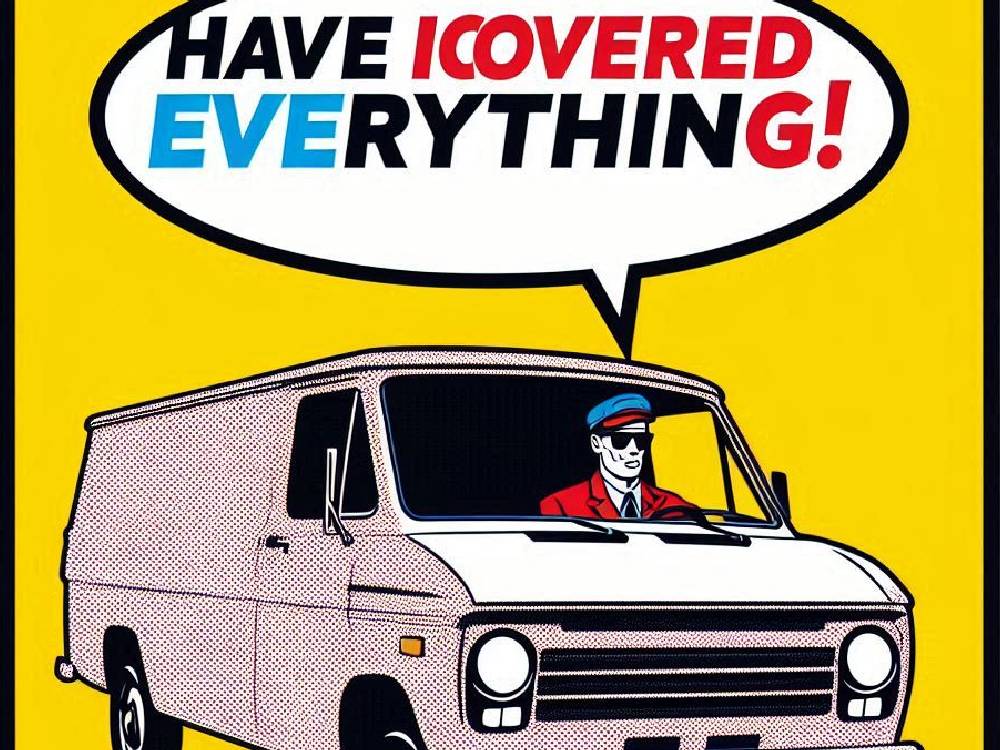
Van Insurance: A Practical Guide To Avoiding Costly Mistakes

Introduction

Most drivers trust a van check to tell them everything that matters about their Van Insurance.

That confidence feels sensible.

Unfortunately, it’s also where expensive mistakes usually begin.

Because a van can look perfect on paper and still be completely wrong for your policy.

And when that gap shows up, it shows up in your premium.

Or worse.

**“If it’s legal, it must be fine.”

That assumption costs more than most people realise.**

Van Insurance: What A Van Check Doesn’t Tell You

Your van is taxed.

The MOT is valid.

Your service history looks clean.

So naturally, you relax.

That feels logical.

It also creates false security.

Because a van check tells you the van is legal.

It does not tell you the van is insurable.

And insurers care far more about the second one.

The Coverage Gap Nobody Talks About: Van Insurance

Most drivers don’t lie.

They assume.

They say they use the van for work.

Which feels accurate.

But insurers don’t price feelings.

They price definitions.

Business use.

Commercial use.

Courier use.

Trades use.

Each one changes your risk profile.

Each one changes your Van Insurance rating.

And none of it appears on a van check.

That gap is where premiums quietly climb.

This is why people searching for Cheap Van Insurance often feel blindsided.

They didn’t change anything.

The classification did.

Car-Derived Vans And The Grey Area Trap

A car-derived van feels like a car.

It drives like one.

It parks like one.

So people treat it like one.

Insurers do not.

They treat it as a van.

Different rules,

Pricing,

Different expectations.

Once again, a van check won’t flag this.

It won’t explain it.

It won’t protect you from it.

Which is exactly why so many drivers end up confused after renewal.

And then frustrated.

And then searching for Very cheap van insurance that suddenly feels impossible.

Modifications: Helpful To You, Risky To Insurers

Shelving feels sensible.

Racking feels professional.

Roof bars feel practical.

Signwriting feels harmless.

But insurers see modification.

And modification means reclassification.

Which means repricing.

Even small changes alter theft risk.

They alter weight distribution.

They alter accident severity.

So while you’re being efficient, your premium may be quietly rising.

And again.

A van check won’t care.

Your insurer absolutely will.

This is one of the most common reasons drivers drift away from Cheapest van insurance without realising why.

Why This Matters For Your Van Insurance

Every hidden mismatch increases perceived risk.

Every perceived risk increases your premium.

And every premium increase pushes you further away from Cheap Van Insurance UK.

Not dramatically.

Gradually.

Quietly.

Until one day, your renewal lands.

And it stings.

This is why so many drivers only discover issues after something goes wrong.

Because hindsight is always clearer than foresight.

And insurance runs on hindsight.

Not sympathy.

That’s exactly why so many people end up on 👉 https://www.cheapvaninsurance.co.uk/
after a shock increase.

Because prevention is invisible.

But cost is not.

Van Insurance Compliance Blind Spot

Load type matters.

Load weight matters.

Seat configuration matters.

Payload limits matter.

These are not technicalities.

They are underwriting factors.

Which means they affect your Van Insurance validity.

But a van check won’t flag misuse.

It won’t warn you if you’re overloading.

It won’t track what you carry.

That responsibility sits with you.

And insurers assume you know.

Which is generous.

And dangerous.

This is exactly why compliance keeps coming up in cases like
👉 https://www.cheapvaninsurance.co.uk/2023/04/20/why-proper-vehicle-compliance-is-crucial-for-road-safety/

Because compliance feels boring.

Until it becomes expensive.

The Psychological Trap

Most people think:

“If there was a problem, someone would tell me.”

But insurance doesn’t work like that.

It assumes responsibility sits with you.

Not the system.

Not the checker.

You.

Which means silence is not reassurance.

It’s just silence.

And silence is costly.

That’s why cases like
👉 https://www.cheapvaninsurance.co.uk/2023/05/11/are-you-driving-a-car-or-a-van-check-your-insurance-policy/
catch people out so often.

Because the line is thinner than it looks.

And once you cross it, there is no warning bell.

Just consequences.

This is where it all connects.

A van check shows legality.

Insurers assess behaviour.

And behaviour is what drives price.

Which is exactly why drivers who do “everything right” still struggle to access Cheap Van Insurance.

Because they’re checking the wrong things.

That’s the gap.

And that gap is wh

Hidden Checks That Could Save You Thousands 

The Data Layer You Never See.

On the surface, insurers check your van.

However, in reality, they check patterns.

Therefore, two identical vans can receive completely different quotes.

Because behind the scenes, insurers analyse claims databases.

Meanwhile, postcode theft rates quietly influence risk.

At the same time, occupation scoring shapes premiums.

Consequently, behaviour often matters more than hardware.

This is why trends like those highlighted in
👉 https://www.cheapvaninsurance.co.uk/2025/03/26/van-thefts-surge-across-the-uk-in-2024/
affect prices long before drivers notice.

In other words, the data moves first.

Behavioural Signals And Risk Flags

On the one hand, changing policies feels proactive.

On the other hand, insurers see instability.

Likewise, short-term cover can look strategic.

However, it can also look risky.

Similarly, multiple quotes feel sensible.

Yet, they can trigger scrutiny.

As a result, drivers chasing Very cheap van insurance sometimes create the opposite effect.

Therefore, consistency becomes currency.

Not price.

This is also why cases involving fraud exposure, like
👉 https://www.cheapvaninsurance.co.uk/2025/04/06/fraudsters-editing-documents-uk-insurance-scam/
carry long-term impact.

Even when drivers did nothing wrong.

Postcodes, Tools And Unfair Advantage

Where you park matters.

Likewise, where you work matters.

Moreover, where you load matters.

Because postcodes are risk profiles.

Not just locations.

Therefore, tool theft trends now shape premiums.

Accordingly, articles like
👉 Insurance UK: Why Your Job Title Matters Most
matter more than most people realise.

In short, risk clusters cost money.

Even if you’ve never had an issue.

Why Understanding This Changes Everything

Once you understand the hidden checks, everything shifts.

No guessing, you structure.

Instead of reacting, you align.

No just hoping hoping, you optimise.

Consequently, Cheap Van Insurance UK becomes achievable again.

Not through shortcuts.

But through accuracy.

That is how drivers move back towards Cheapest van insurance legitimately.

Because insurers reward alignment.

Not intention.

The Quiet Advantage And Van Insurance

Most drivers only think at renewal.

However, by then, the data is already set.

Therefore, proactive drivers win.

Because they declare correctly.

They stabilise patterns.

Because they avoid red flags.

As a result, they access Very cheap van insurance consistently.

Not occasionally.

And not accidentally.

That’s the difference.

Conclusion

A van check shows legality.

However, insurers assess behaviour.

Therefore, the real cost lives in what you don’t see.

Consequently, most UK drivers lose money through assumption, not recklessness.

Once you understand the hidden layer, you regain control.

Your cover improves.

Quotes stabilise.

Your options expand.

If you want to explore this further, these may help:

Because in Van Insurance, what you don’t see is usually what costs you.
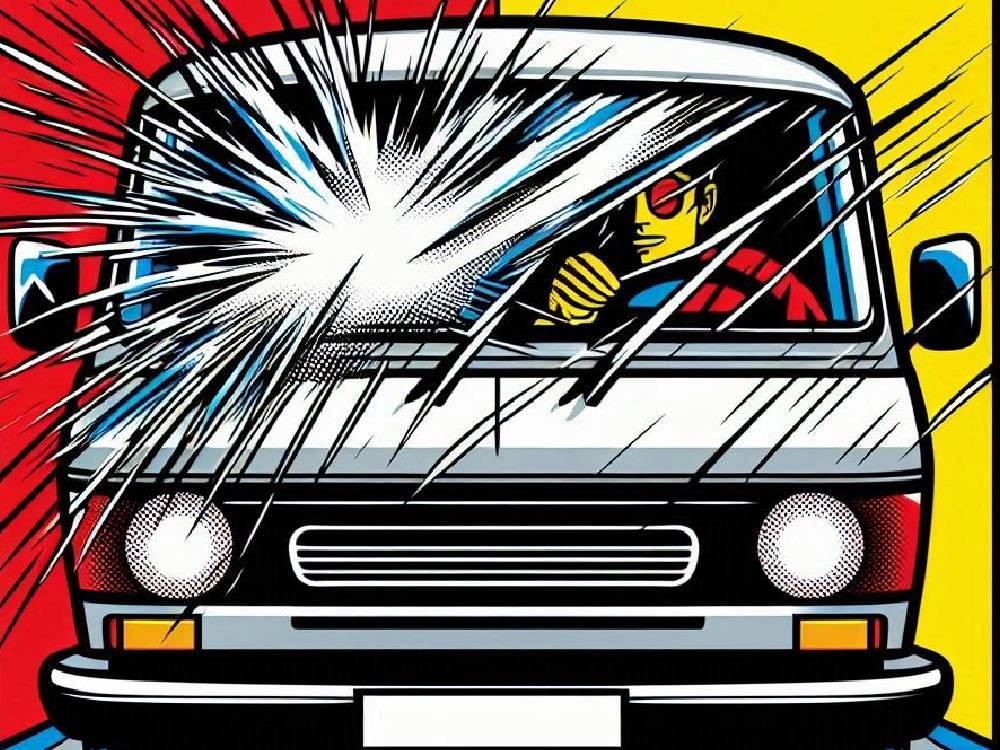
Van Insurance: The Hidden Risk Sitting On Your Windscreen

Introduction

Starting your van with a misted windscreen might feel harmless, but it can affect your van insurance

Yet it can instantly put your licence, your safety, and even your Van Insurance at risk.

Because when visibility drops, accident likelihood rises.

And when risk rises, insurance problems follow quickly.

So here’s the uncomfortable truth.

A simple patch of condensation could end up costing you far more than a morning delay.

So what should van drivers know before setting off?

Let’s break it down clearly.

Van Insurance: Follow One Crucial Instruction Before Setting Off

Driving off with a misted windscreen might seem like a tiny shortcut.

Yet it is actually breaking the law because it impairs your ability to see the road ahead.

And when visibility is compromised, everything else becomes more dangerous.

Insurance companies see this as unnecessary risk.

Therefore, even a minor collision caused by poor visibility can create expensive complications for your Van Insurance.

Worse still, the claim may even be challenged depending on the circumstances.

If you want to understand how risk factors shape premiums, start with this:

Why proper vehicle compliance is crucial for road safety.

But here’s the thing.

Most drivers don’t realise visibility issues begin inside the cabin long before they turn the ignition.

Why Your Windscreen Mists Up (the simple science)

Windscreen fog forms because warm, moist air meets cold glass and instantly condenses.

Your breath, body heat, and damp clothing all increase cabin humidity.

And although this feels normal, it quietly becomes a safety hazard.

Because condensation always looks harmless at first.

Yet the real danger appears the moment you begin to move.

And here’s the twist.

The colder the morning, the worse the internal moisture becomes — especially in vans with large interior space.

How To Clear Your Windscreen In “double-quick” Time

Start your heater cold.

Then slowly increase the temperature.

This matters because blasting hot, wet air directly onto cold glass actually creates more condensation before it removes it.

Therefore, a slow temperature climb dries the cabin without overloading it.

It’s a simple trick, yet most van drivers never use it.

But wait — there’s more.

Make sure the heater is pointed at the windscreen and side windows first, because that’s where visibility matters most.

And here’s where psychology kicks in.

Once you understand how fast this method works, you never return to the old habits.

Balancing Warmth, Comfort, And Visibility

On colder mornings, you might feel tempted to blast the hot air at yourself instead.

However, this keeps the van warm while allowing the glass to remain dangerously misted.

Drivers are warned not to move until all glass surfaces are fully clear.

This is essential because even small patches of fog can distort angles and depth perception.

Consequently, a rushed start can easily turn into a costly claim — and nobody wants that when searching for Cheap Van Insurance.

So remember this.

Warmth is optional.

Visibility is not.

Why Air Conditioning Matters More Than You Think, And Could Affect Van Insurance

AC systems don’t just cool the cabin.

They dry the air.

This makes them incredibly effective at preventing re-condensation after the heater begins evaporating surface moisture.

Although the air may cool again after drying, the crucial point is this: the drier your cabin, the faster the mist disappears.

And there’s another benefit.

Using AC helps prevent hidden damp, which can create long-term fogging issues.

Something that may later affect roadworthiness checks or insurance inspections.

If you want to explore how smart tech can further reduce risk, see this internal guide:

How telematics devices can save you money on van insurance.

When Your Van Refuses To Demist — Hidden Issues You Shouldn’t Ignore

Sometimes your van simply won’t clear, no matter how long the heater runs.

This usually signals a mechanical or airflow problem.

The most common cause is a fault with the air conditioning or temperature control system.

And because these components manage moisture in the cabin, any malfunction dramatically slows demisting.

However, blocked vents or clogged cabin filters can do the same.

And here’s the real risk.

If visibility becomes impaired because of neglected maintenance, insurers may view it as avoidable negligence.

You don’t want a rejected claim sitting on your record when searching for Very Cheap Van Insurance in the UK.

For more on how unexpected van issues affect premiums, see this helpful breakdown:

Average Prices, Hidden Fees & How To Save.

When To Call A Professional — And Why It Matters For Van Insurance

If your van still won’t demist after using the correct heater and AC method, it’s time for a mechanic.

A garage will check coolant levels, thermostat performance, heater cores, filters, and ventilation pathways.

Even minor blockages can trap moisture and stop airflow from reaching the windscreen.

And although many drivers delay repairs, visibility faults only worsen over time.

Consequently, police can issue penalties for driving with obstructed vision.

Insurance providers also expect your van to remain roadworthy, which means demisting systems must function properly.

Therefore, ignoring the issue can quietly add risk to your Van Insurance profile.

To understand how van behaviour influences cover, here’s a deeper look:

Why UK tradespeople are driving further for better pay — and how it affects insurance.

How Demisting Habits Influence Your Van Insurance Long-Term

Every insurer calculates premiums based on risk.

Therefore, anything that increases the chance of a collision — including impaired visibility — affects your policy.

And because many claims happen during winter mornings or wet conditions, insurers watch visibility-related accidents closely.

This is why consistently clearing your windscreen protects more than your safety.

It protects your record.

And once your record stays clean, securing Cheap Van Insurance becomes far easier.

If you want to understand how insurers think about risk, here’s something useful:

Cheap Van Insurance — why a little detail matters most.

Conclusion

A misted windscreen may feel like a minor inconvenience, yet it holds the power to affect your safety, your finances, and your long-term Van Insurance costs.

Because when visibility drops, accidents rise — and when accidents rise, premiums follow.

And the simplest way to stay protected is also the quickest:

Clear the glass fully, use your AC wisely, and never move off until the view is completely unobstructed.

Do this consistently and you’ll not only stay safer on the road but also preserve your eligibility for the Cheapest Van Insurance across the UK.


The Truth About Van Insurance Dangers Of Van Contents

Introduction

The dangers of van contents.

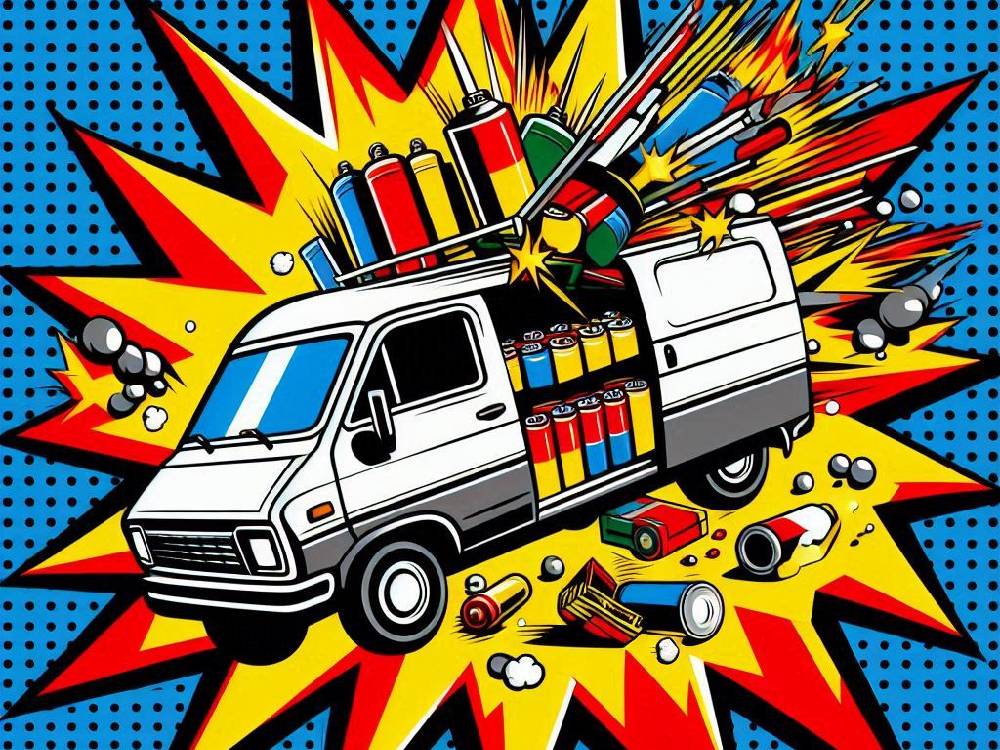
A van exploded inside a crowded underground shopping centre car park after its roof struck a low concrete beam.

Although the blast was brief, the consequences were life-changing, forcing every UK van driver to confront a difficult truth:

The contents you carry can be far more dangerous than you think.

Here’s what this article covers:

  • The hidden dangers inside everyday van contents.
  • Why a simple height misjudgement can trigger disaster.
  • How cargo can invalidate Van Insurance.
  • Why Cheap Van Insurance still depends on safe loading.
  • The risks tradespeople face with tools, chemicals, and pressurised items.
  • How to avoid costly mistakes and secure the Cheapest van insurance possible.

Dangers Of Van Contents: When Van Contents Turn Deadly

The van explosion in the car park wasn’t a freak accident.

It was the predictable result of ordinary cargo meeting extraordinary force.

And here’s the twist.

Many UK drivers routinely carry items that can behave the same way under pressure.

Bold truth: Tools, batteries, gas canisters, and solvents can turn a minor collision into a catastrophe.

Think a low ceiling is harmless?

Think again.

When the van hit the overhead concrete beam, the contents shifted, compressed, and sparked.

That chain reaction sent the driver to hospital.

And yet, thousands of vans on British roads are loaded in ways that pose the same risk.

Remember the dangers of van contents.

Now, let’s dig deeper.

Why Height Misjudgement Creates Explosive Conditions

Most drivers know their van’s length.

But not its height.

That’s where trouble begins.

Because a single miscalculation can slam roof-mounted gear or stacked contents against a rigid surface.

Then things escalate quickly.

Very quickly.

Here’s the worrying part.

Compressed gas cylinders, fuel containers, lithium batteries, metal tools, and loose cargo behave unpredictably during sudden impact.

And when they do?

You’re not just risking damage.

You’re risking everything—your safety, your livelihood, and your Van Insurance.

So, where does insurance come into this?

Let’s keep going.

Insurers assess risk, not luck.

And badly loaded vans represent serious risk.

That’s why unsafe contents can void a policy in seconds.

Even with Cheap Van Insurance, insurers expect drivers to follow safe loading rules.

Miss the rules, and the consequences are brutal. So the dangers of van contents!

For example.

If your van is technically a car-derived vehicle but loaded like a commercial unit, insurers may treat the damage differently.

This is why every UK driver should confirm their vehicle class using guides such as
Are You Driving a Car or a Van?

Because incorrect categorisation can invalidate claims instantly.

Let’s keep building the picture.

When Everyday Items Become High-Risk Cargo – Dangers Of Van Contents

Some dangers are obvious.

Others hide in plain sight.

Here’s where most drivers slip up.

They carry battery packs for tools.

Store paints, adhesives, and fuel mixes.

Leave metal tools loose, believing a gentle drive keeps them still.

But the moment something shifts, everything changes.

Even a pothole can produce a force strong enough to activate a tool trigger or damage a volatile container.

Now think back to the van explosion.

The impact didn’t need to be severe.

It only needed the right conditions.

And those conditions exist in many UK work vans every single day.

So what does this mean for Cheap Van Insurance UK?

Let’s break it down.

Unsafe Loads Drive Premiums Higher

Insurers know the data.

Vans with improperly secured cargo suffer more collisions, more severe damage, and more fire-related claims.

Consequently, premiums increase.

And although drivers search for the Cheapest van insurance, insurers price risk with precision.

If your van appears high-risk due to its contents, your premiums rise.

But here’s the good news.

With proper load safety, clear declarations, and accurate policy details, drivers can still access
the lowest-priced cover, especially through comparison-first services like Cheap Van Insurance UK.

So, where do we go from here?

Let’s move into the second half and focus on prevention.

How Safe Storage Prevents Disaster

Safe storage transforms a risky van into a controlled environment.

And because every load behaves differently, you need deliberate choices, not guesswork.

So you secure heavy tools before they shift.

Then you separate chemicals before fumes interact.

After that, you strap down loose items before one pothole turns them into projectiles.

Consequently, each choice reduces risk.

Additionally, balanced load distribution strengthens stability and braking response.

Even small adjustments improve safety and strengthen your Cheap Van Insurance position.

So the message stays simple.

Smart storage prevents chaos.

Dangers Of Van Contents – Why Compliance Protects Your Van Insurance

Compliance keeps your premiums under control.

And because insurers analyse behaviour, they reward drivers who follow clear rules.

So you check height limits before entering car parks.

Then you follow load-weight guidance to avoid dangerous handling.

Furthermore, you record any hazardous materials before travelling.

Each step increases trust with insurers.

For deeper guidance, you can use
Why Proper Vehicle Compliance Is Crucial for Road Safety.

Compliance strengthens safety.

Safety strengthens your insurance position.

Insurance confidence lowers your long-term costs.

How Telematics Helps You Avoid High-Risk Loading

Telematics gives you real-time information about your driving patterns.

Because every harsh brake reveals instability, telematics warns you instantly.

So you adjust your load before it becomes dangerous.

Then you adapt your driving before insurers flag risky habits.

Additionally, telematics data proves your reliability to insurers.

Reliable behaviour always reduces premiums.

For more insight, see
How Telematics Devices Can Save You Money On Van Insurance.

With the right monitoring, your van becomes safer, calmer, and cheaper to insure.

Conclusion 

Van contents influence risk, premiums, and financial protection.

And because every driver carries different tools and materials, safe choices matter more than ever –

especially when you rely on Cheap Van Insurance for long-term affordability and security.

For even more insights, you can explore:

10 Simple Hacks To Lower Van Insurance And Save Big

When Do You Need Specialist Van Insurance? Find Out Now

Van Insurance In 2025: Why Electric Vans Save You More

Introduction

Switching to electric…

Britain’s van drivers are at a crossroads.

And the road ahead?

It’s electric.

The UK government has just confirmed that its plug-in van and truck grant will continue through to at least 2027, slashing the cost of switching to electric vans.

But here’s the twist…

This isn’t just a win for sustainability.

It’s a massive cost-saving opportunity for drivers and businesses alike — and van insurance is right at the heart of it.

If you’re running a van in 2025, this is your moment to cut costs, plan ahead, and future-proof your cover.

The Grant That’s Powering The Electric Van Revolution

So what exactly is changing?

The UK’s plug-in van and truck grant has officially been extended until at least 2027.

That means:

  • Up to £2,500 off small vans
  • As much as £5,000 off large vans
  • Up to £16,000 off small trucks
  • And even £25,000 off large trucks

Extending these grants is another decisive step to power Britain’s transition to cleaner transport,” said Lilian Greenwood, the new Future of Roads Minister.

This isn’t just good news for corporations.

Sole traders, couriers, and independent tradespeople can also claim the grant — no fleet required.

With fuel prices still sky-high, every pound saved counts.

Want to know which van models qualify for the lowest insurance groups?

Find out now

Why Businesses Are Making The Switch To Electric Now

Let’s be blunt.

Running a petrol or diesel van is getting expensive — and risky.

Electric vans, on the other hand?

  • Save an average of £2,800 a year on fuel
  • Dodge ULEZ and Clean Air Zone charges
  • Get maintenance savings thanks to fewer moving parts

Add the government grant on top, and you’re staring at thousands in savings before even thinking about insurance.

No wonder the UK logistics sector — which employs 1.2 million people — is charging ahead with EV plans.

This news is a big boost for tradespeople across the UK,” said Checkatrade CEO Jambu Palaniappan.

Want more proof?

Big players like Amazon are already pushing for zero-emission fleets.

And when the big guys move — the rest follow.

Curious how smart tech can slash your premiums too?

Explore how telematics can help

Van Insurance Implications: Will Electric Vans Cost Less To Insure?

Here’s where it gets interesting.

Electric vans don’t always mean cheaper insurance — but the picture is changing.

Right now, EVs can have higher initial premiums due to:

  • Expensive parts
  • Fewer repair specialists
  • Theft risk (yes, EV batteries are valuable)

However, many specialist insurers are adjusting their models.

Why?

Because EVs have:

  • Lower mechanical failure rates
  • Built-in tracking and immobilisers
  • Telematics-friendly systems
  • Lower accident rates in some fleet data

This is key.

Because as insurers get more data, premiums for electric vans are starting to drop — especially if you compare deals actively.

Still paying too much?

Why your job title matters

The Bigger Picture: Why This Matters For The UK Economy

Let’s zoom out.

This isn’t just a van upgrade — it’s a national transformation.

  • The UK logistics sector contributes over £79 billion a year
  • Every diesel van replaced reduces harmful emissions
  • EV growth fuels green jobs, charging infrastructure, and supply chain upgrades

It’s the type of shift that creates opportunities, not just cuts costs.

Every small van operator that switches to electric is part of a bigger story.

A cleaner, cheaper, and more resilient Britain.

And if your insurance policy still hasn’t caught up?

Here’s a complete guide to protecting your policy

The Infrastructure Is Finally Here

One word:

Chargepoints.

You may have held off on switching because of range anxiety.

But as of now?

  • 83,800+ public chargers are active in the UK
  • Over 100,000 more are coming
  • £381M is being invested into local EV infrastructure

This is no longer a chicken-and-egg problem.

Charging is here.
It’s fast.
And it’s only getting better.

Still hesitating?

You’re not alone – here’s what’s holding drivers back

What This Means For Individual Van Drivers

While large fleets are leading the charge, individual drivers stand to benefit just as much.

In fact, self-employed van owners can access the exact same grants as larger companies.

Because of this, you don’t need a dozen vehicles to cut costs.
Even switching one van could mean thousands in savings each year.

Moreover, many of the new EV vans are exempt from emissions charges,
which means more money stays in your pocket.

On top of that, electric vans often qualify for insurance discounts,
especially when paired with telematics or strong driving records.

As a result, solo drivers now have an edge they never had before.

New to the game?

Here’s what every first-time van driver needs to know

How To Lock In The Cheapest Van Insurance Right Now

So, how can you take full advantage?

First of all, start with the right insurer.

Although many providers now offer EV policies, not all understand the nuances of electric vans.

Because of that, comparing quotes across specialist brokers is essential.

Furthermore, installing a telematics device can help reduce premiums even further.

Not only does it track your driving behaviour, but it also provides data insurers value.

In addition, make sure to declare all van modifications,
even if they seem minor — like new wheels or upgraded headlights.

Why?

Because failing to disclose changes could lead to claim refusals.

Besides that, bundling vans into a single policy often lowers overall cost,
especially for sole traders or small business owners.

Ultimately, the more proactive you are, the more you’ll save.

And before you forget…

This one overlooked detail can void your insurance

Fleet Owners: Why Planning Ahead Pays Off

If you’re managing a fleet, timing is everything.

Now that the EV grant has been extended to 2027, fleet managers have the rare opportunity to plan with confidence.

Not only does this allow for bulk savings, but it also provides better leverage when negotiating insurance packages.

Additionally, insurers often reward data-driven businesses.

So, if you’re using route tracking, telematics, or performance analytics,
you’re already one step ahead.

What’s more, by installing your own charging stations, you could qualify for extra infrastructure grants.

Put simply, the earlier you act, the more you stand to gain — both in cost savings and operational efficiency.

Thinking long-term?

Make sure you understand what’s the current van law is

Conclusion

The future of van driving in the UK is electric — and it’s accelerating fast.

Thanks to generous EV grants, improved infrastructure, and more responsive insurers,
drivers who act now can lock in serious savings.

Furthermore, switching to electric means fewer mechanical problems, cheaper running costs,
and lower emissions — all while positioning your business as future-ready.

However, your savings don’t stop at the van itself.

By choosing the right insurer, declaring all modifications, and comparing tailored quotes,
you can unlock the cheapest van insurance UK has to offer — even with a brand-new electric van.

So don’t wait until grants shrink or premiums rise.

Make the switch now, optimise your cover, and get ahead of the curve — while you still can.

Looking for more insights?

These hand-picked articles are worth your time:

Cheap Van Insurance UK: Why Your Job Title Matters Most

Introduction

Van insurance by job title!

You might assume van insurance prices are mainly about age, postcode, or no-claims bonuses.

However, there’s another factor most people overlook — and it could be costing you hundreds every single year.

That factor?

Your job title.

Believe it or not, your occupation can drastically change how much you pay.

In fact, the wrong job title could cost you £1,300 more annually than someone doing similar work.

So if you’re wondering why your van insurance quote feels unfair, keep reading — because the answer might be hiding in plain sight.

Why Does Occupation/Job Title Affect Van Insurance?

To begin with, let’s address the obvious question:

Why does your occupation even matter to insurers?

Well, it comes down to one word: risk.

Every van driver uses their vehicle differently.

And insurers know that certain jobs come with higher risks than others.

As a result, they price your cover based on the type of work you do — not just your driving record.

For example:

If your job involves:

  • Driving long distances
  • Parking in unfamiliar areas
  • Transporting expensive equipment
  • Racing against tight deadlines

Then statistically, you’re more likely to make a claim.

In contrast, those who stay local and work regular hours tend to pose less of a threat.

Which means they get access to very cheap van insurance.

“Your job doesn’t just describe what you do. It defines how risky you are to insure.”

The Cheapest Occupations/Job Title For Van Insurance In The UK

According to data, several van-driving professions consistently receive the lowest quotes.

And the difference can be staggering.

Take a look at the top performers:

Job Title With the Cheapest Van Insurance

  • Handyman
  • Painter and Decorator
  • Gardener
  • Dog Groomer
  • Window Cleaner
  • Carpet Cleaner
  • Joiner
  • Cleaner
  • Carpenter
  • Builder

Many of these roles fall well below £460 a year.

So why are these jobs so much cheaper?

It’s largely because they involve:

  • Lower mileage
  • Fewer stops
  • Non-urgent work
  • Secure tool storage
  • Less time on the road overall

In short, they’re lower risk from an insurer’s perspective.

And that risk reduction gets passed on to you in the form of cheaper premiums.

Still unsure how this plays out for business insurance?
Here’s how business van insurance stacks up.

Business Types That Keep Costs Down

Beyond job titles, some entire sectors fare better than others.

So if your business fits into one of the following categories, you could be in luck.

Least Expensive Business Types:

  • Decorating
  • Building trade
  • Cleaning services
  • Carpentry
  • Pet services

Across the board, these sectors tend to operate:

  • Locally, which limits mileage
  • Predictably, which reduces driving stress
  • Without high-value cargo, lowering theft risk

Consequently, insurers see them as more stable.

For instance, most decorators stay within a few postcodes, visit familiar sites, and keep tools secured.

This all contributes to fewer claims — and therefore, cheaper van insurance UK wide.

If you’re still confused about when van insurance is actually required,
this article clears it up.

The Occupations/Job Title Paying The Most For Cover

Now, let’s look at the other side of the coin.

Unfortunately, not all van drivers are treated equally.

Some professions — no matter how vital they are — carry far greater risk in the eyes of insurers.

And that risk translates directly into eye-watering premiums.

Delivery couriers top the list.

They face a median premium of £1,689 per year.

Compare that to a handyman’s £382 and you’re looking at a £1,307 gap.

But why is that?

Let’s break it down.

Couriers tend to:

  • Cover large distances daily
  • Operate under strict time pressure
  • Make dozens of deliveries per shift
  • Park in high-crime areas
  • Transport expensive packages

Add it all up, and the risk of accidents, dings, and theft skyrockets.

So while the job pays, it also costs — especially when it comes to insurance.

In fact, courier work is seen as one of the most expensive van insurance categories in the UK.

In comparison, local tradespeople benefit from calmer routes, shorter distances, and predictable routines.

So it’s not about the van — it’s about how and where you use it.

Need proof of how brutal it can get for couriers?
Stress is costing you more than you think..

How To Get Cheap Van Insurance – Even With A High-Risk Job Title

So what happens if you’re in one of the expensive professions?

Fortunately, not all hope is lost.

Even if your job is flagged as high-risk, there are still ways to bring down your premiums.

Let’s explore your options.

First, Consider Installing a Telematics Device

To begin with, you could let your insurer monitor your driving habits through a telematics device (also known as a black box).

Although it might sound intrusive at first, this tool actually rewards safer drivers.

Over time, if you consistently drive responsibly, you’ll likely see your premiums drop — sometimes quite significantly.

In fact, this approach is ideal for van drivers looking to prove their low-risk behaviour, even in high-mileage jobs.

To find out how it really works, check out this detailed guide.

Additionally, Separate Your Tool Cover

Another tactic worth trying?

Split your tool insurance from your main policy.

While it might seem easier to keep everything under one roof, bundling high-value items into your van policy can actually make your premium soar.

Instead, you could reduce costs by taking out a separate tool-only policy.

Not only does this lower the insurer’s perceived risk, but it also gives you more flexible protection.

Furthermore, Review Your Mileage Regularly

Many drivers overestimate their mileage when applying for cover.

Yet if you drive less than you thought, you might be paying for risk that doesn’t exist.

So rather than guessing, track your weekly distance for a month or two.

That way, you can declare a realistic figure — which may result in a lower premium.

Just be sure to keep it accurate.

Insurers don’t like surprises.

Moreover, Reassess Where You Park

Here’s something many people overlook:

Where your van sleeps at night can massively influence your quote.

If you’ve recently moved and now have access to a driveway, secure lot, or garage, let your insurer know.

Because the difference between “on-street parking” and “locked compound” can mean hundreds of pounds in savings.

Still unsure how multiple factors like this stack up?

This article will help you navigate the details.

Bonus Tip – Don’t Automatically Renew

This might be the most important point yet.

Every year, insurers quietly raise premiums — assuming you’ll stay loyal out of convenience.

But here’s the truth:

Loyalty doesn’t pay.

Instead of accepting that renewal quote, use comparison tools to check the market.

Even better, change small policy details, like adjusting your business usage or tweaking your mileage, to see how they affect your quote.

The more you experiment, the more control you gain over your price.

And remember:

Never let your policy renew without checking if there’s a better deal waiting.

Van Insurance Is All About Risk — So Learn to Manage It

Ultimately, van insurance isn’t just about paperwork.

It’s about how you present yourself as a risk to insurers.

The good news?

You can influence that.

By managing your mileage, upgrading your van’s security, and double-checking your declared usage, you begin to take back control.

Even if you work in a higher-risk profession — like delivery or courier services — these strategies can still work in your favour.

And don’t forget:

Comparison is power.

Rather than relying on a single quote, take the time to shop around.

You’ll be surprised how much small changes can improve your options.

Conclusion

In summary, your job title plays a far bigger role in your insurance costs than you might think.

While local trades like painters, gardeners, and cleaners enjoy cheap van insurance, couriers and delivery drivers face sharply higher premiums — often due to mileage, deadlines, and theft risk.

However, as you’ve seen, there are several steps you can take to reduce your costs.

From installing a telematics device to updating your parking situation, you don’t need to feel powerless.

Instead, focus on minimising risk and maximising value — both in your work and in your policy.

So the next time your renewal email lands in your inbox?

Don’t ignore it.

Take action.

Take control.

And make sure your van insurance UK policy actually fits your life — not just your job title.


Here are a few handpicked blogs worth reading next:

Van Driver Stress Is Costing More Than You Think – New Survey Exposes The Shocking Truth

Introduction

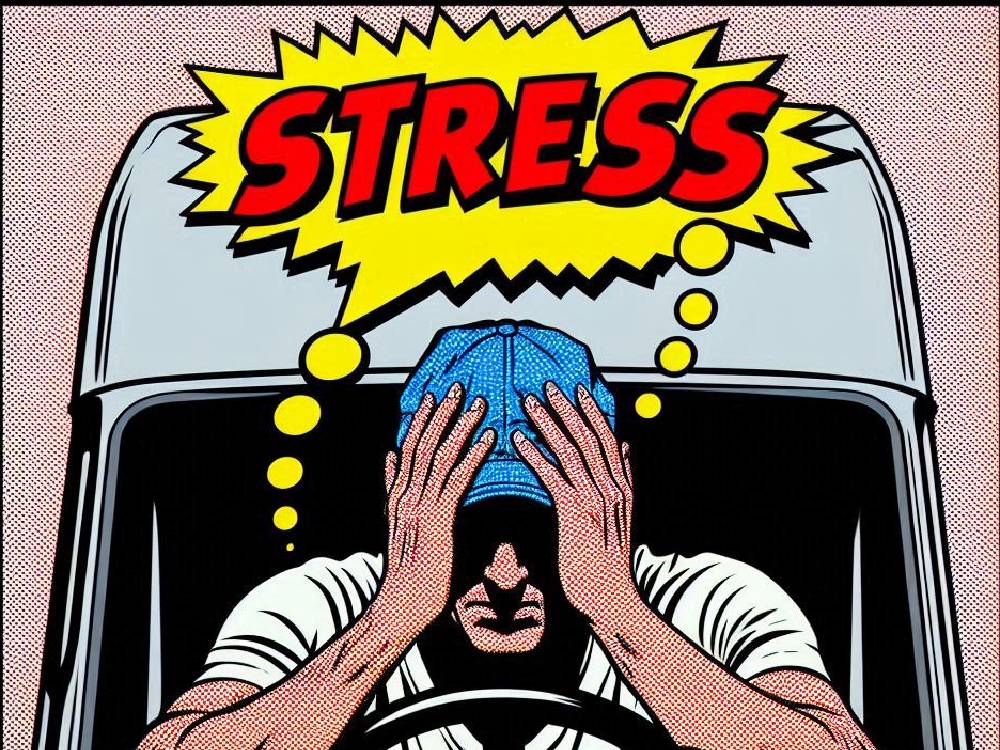
Stress.

It’s the story no one’s talking about — but every driver is feeling it.

A new survey has revealed a troubling mental health crisis affecting UK truck and van drivers, with nearly half considering leaving the industry altogether.

Why?

Long hours.

Lack of support.

Rising road danger.

And the crushing pressure to deliver, no matter the cost.

But here’s the part that hits hardest:

The same stress that’s driving workers out of the job is also driving up van insurance costs across the UK.

If you’re a tradesperson, courier, or fleet owner, this isn’t just their problem — it’s yours, too.

Let’s break it down.

Stress – A Silent Crisis Few Are Willing To Discuss

Let’s face it:

When was the last time a van driver talked openly about mental health?

Despite growing awareness around mental health, 53% of UK drivers still feel uncomfortable discussing it with their employer.

That’s more than half of the workforce suffering in silence.

Why does that matter?

Because when mental health struggles go unchecked, they don’t stay hidden — they show up in driving behaviour, decision-making, and even how policies are priced.

Stress behind the wheel leads to:

  • Shorter tempers
  • Slower reaction times
  • More insurance claims

And guess what that leads to?

You guessed it: higher premiums.

If you’re under stress, and your driving slips — even once — your insurer will notice.

And they’ll price accordingly.

Want to learn what else can affect your premiums? What counts as a modification for van insurance?

Speeding Through The Pressure Cooker With Stress

The job demands speed — but not like this.

Despite the risks, almost 46% of UK van and truck drivers say they speed regularly to meet deadlines.

Think about that.

That’s nearly half of the country’s fleet pushing past limits just to meet deadlines.

The cost?

Increased accidents.

Voided policies.

And ultimately?

Cheaper van insurance UK-wide becomes harder to find.

The irony?

The very thing that saves time short-term could destroy your cover long-term.

Want to stay compliant and protect your premium? Why proper vehicle compliance is crucial for road safety

The Roads Aren’t What They Used To Be

Post-pandemic life hasn’t been kind to UK roads.

97% of drivers surveyed said roads have become more dangerous.

Why?

Mobile phone use.

Aggressive behaviour.

People driving like they’re in a video game.

This environment creates a perfect storm for van drivers who already face time pressure and long shifts.

It also leads to more claims being filed.

And you know what that means…

Premiums go up.

Especially if insurers start to see your postcode as high risk.

Curious how many unsafe vans are out there right now? The shocking extent of dangerous vans off the road

Stress – Fatigue, Frustration, And Financial Fallout

Mental health isn’t just about moods.

It’s about performance.

And if you’re mentally exhausted, the impact can be felt in split-second decisions that cost thousands.

Here’s the brutal truth:

Even one lapse in concentration could mean a crash, a claim, or a cancelled policy.

This pressure is especially crushing for self-employed van drivers and small business owners.

You’re not just risking your health.

You’re risking your livelihood.

Yet most employers are still lagging behind — offering little more than a “chat” as support.

It’s not good enough.

Want a real-world solution that eases both stress and cost? How telematics devices can save you money on van insurance

Half Ready To Walk Away

If you’ve ever thought of quitting the job…

You’re not alone.

In fact, you’re one of nearly 50% of drivers thinking the same thing.

Let that sink in.

As a result of mounting pressure, half the UK’s van and truck workforce is now on the brink of walking out.

That’s not just a mental health crisis.

That’s a logistics crisis, a safety crisis, and yes — an insurance crisis.

Because driver shortages mean more overworked operators.

Which leads to more risk.

Which leads to — say it with us — higher van insurance premiums for all.

Why Proper Vehicle Compliance Is Crucial For Road Safety

Technology: The Unexpected Lifeline

Thankfully, not all the news is grim.

In fact, there’s a silver lining.

67% of UK drivers now believe technology can ease pressure and improve performance.

That’s encouraging.

Even though stress is rising, tools like telematics and dash cams offer real-time feedback and support.

As a result, many drivers feel more in control.

For instance, smart routing apps can reduce journey time.

Moreover, they eliminate guesswork and lower stress levels.

Because of this, technology doesn’t just improve safety — it actively helps lower premiums.

What’s more, insurers often reward safer driving with discounts.

Consequently, the early adopters are seeing real benefits.

By contrast, those who resist change may face higher costs later.

So, the question is clear:

Will you embrace tech or be left behind?

Employers: Time To Step Up Or Step Aside

Let’s be honest.

Although many employers talk about wellbeing, few deliver meaningful change.

As a result, more than half of drivers still feel unsupported.

Clearly, that has to change.

Instead of relying on vague policies, companies must take action.

For example:

  • Introduce mental health support lines
  • Create flexible scheduling options
  • Offer stress training for fleet managers
  • Communicate openly about insurance and safety

Because when employers lead, everyone wins.

Not only does driver performance improve, but claim rates also drop.

In turn, that means cheaper cover across the board.

Additionally, businesses that support their teams build loyalty — and resilience.

Unless that happens, however, stress will continue to rise.

Need proof? Why 57% of UK van drivers are now facing insurance hikes

What Drivers Can Do Right Now

So what now?

Even though the system may be broken, you still have power.

Right now, you can take small steps that make a big impact.

First, install a basic telematics app to monitor your habits.

Then, speak to someone — whether it’s a friend, partner, or helpline.

Meanwhile, consider using free mindfulness apps to stay calm on the road.

In addition, remember to take short breaks.

Even five minutes can reset your focus.

More importantly, don’t forget your van insurance.

Regularly review your policy.

Why?

Because when you reduce your risk, you may unlock lower premiums.

On top of that, some providers now offer wellbeing incentives.

Ultimately, protecting your mental health also protects your wallet.

In other words — your peace of mind could be your biggest financial asset.

Don’t wait for a mistake to cost you. Van Thefts Surge To £200m Stolen Across The UK In 2024

Conclusion 

In summary, the numbers don’t lie.

Van and truck drivers in the UK are facing a mental health crisis that continues to grow.

More than that, it’s putting pressure on the roads, the economy — and your insurance premium.

Therefore, this isn’t just a personal issue.

It’s a national one.

Because when nearly half of drivers are thinking about quitting, everything is at risk.

Even so, there is hope.

With technology, proactive employers, and greater awareness, things can change.

For drivers, the path forward is clear:

Start small.
Track your habits.
Speak up.
Compare your cover.

And finally, never underestimate the connection between well-being and van insurance.

The better you feel, the better you drive.
The better you drive, the less you’ll pay.

Want more insights that could save you money and stress?


New DVSA Rules for 2025: What Van Drivers Must Know To Stay Compliant And Save On Van Insurance

Introduction

Drivers need to stay compliant to save on van insurance.

Declaring speedometer settings in mph, along with disclosing advanced driving systems, are both crucial updates.

Moreover, these changes are necessary for ensuring compliance.

Furthermore, these changes are crucial for ensuring compliance and upholding legal standards.

The DVSA just rewrote the rules for van drivers – and what you don’t declare could now cost you more than you think.

Getting your van road-approved in 2025 has become significantly more complicated.

The DVSA has updated its Individual Vehicle Approval (IVA) process – and if you drive a van, import vehicles, or operate a small fleet, this matters.

Why?

Because what you declare – or fail to – can now affect whether your van is certified as roadworthy.

Getting your van road-approved in 2025 has become significantly more complicated.

Here’s a quick breakdown:

Let’s break this down.

What Has Changed?

The DVSA (Driver and Vehicle Standards Agency) has introduced a wave of reforms for the IVA process.

Effective from 14 May 2025, drivers applying for IVA certificates for cars (M1) and vans (N1) will face a new set of questions – and responsibilities.

The biggest change?

Applicants must now explicitly declare that their vehicle’s speedometer is set to mph, as required by the new regulations.

That might sound minor.

But it’s not.

Previously, this would have been physically checked as part of the inspection.

Now, you can self-certify.

Sounds easier, right?

Not exactly.

Miss this step, and you could be forced to start your IVA process again.

This applies to new applications only, so if you’ve already submitted an IVA form before the deadline, you’ll still go through the old process.

The rules are specifically for small volume or individual vehicle imports and builds – meaning it hits self-builders, importers, and traders hard.

Read more about why proper vehicle compliance is crucial for road safety.

Why It Matters For Van Drivers

If you’re a van driver in the UK, this isn’t merely red tape.

In fact, it’s crucial regulation that could, in turn, stall your business, delay deliveries, or even invalidate your cover.

Self-employed tradespeople and small business owners are especially at risk.

Most won’t even realise the rules have changed until something goes wrong.

That’s when things get expensive.

Incorrect or missing declarations could, therefore, result in test failure, which may require a return visit and lead to additional fees.

Worse still, if your van isn’t certified correctly, it could also affect your insurance.

Because if your vehicle doesn’t meet DVSA standards, insurers may refuse to pay out in the event of a claim.

Scary, right?

Make sure you know the difference between driving a car or a van for insurance purposes.

Mph vs Kph – Speedometer Compliance Explained

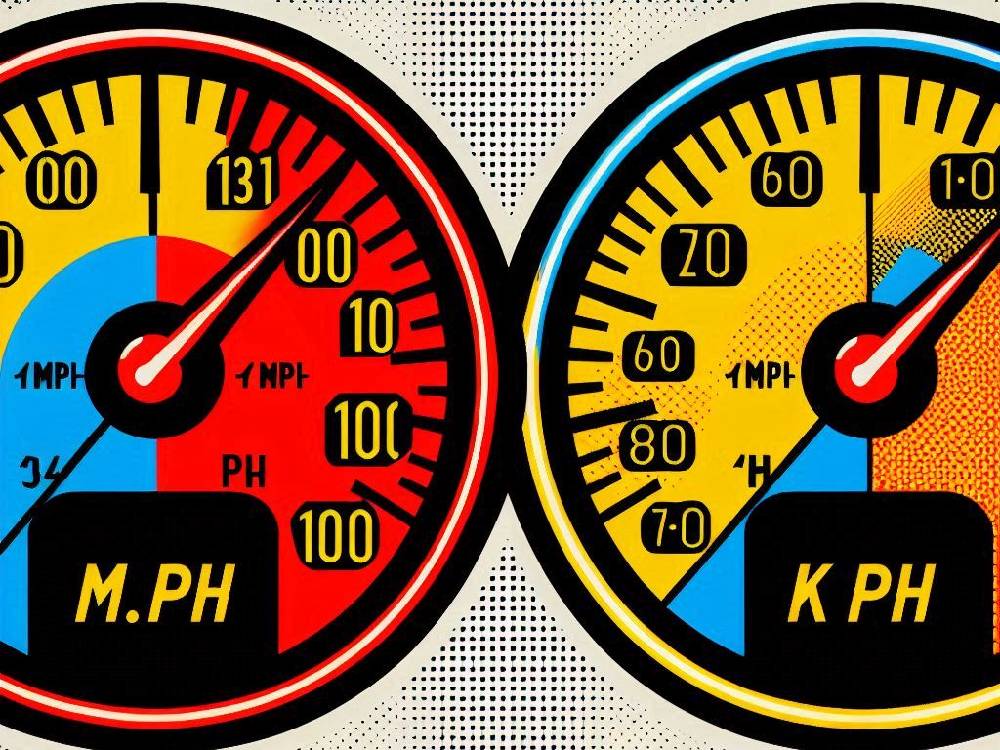
Under the new DVSA rules, vehicles must now be fitted with speedometers that read in mph.

Consequently, this change aligns with Section 17 of the IVA inspection manual, which was updated in late 2024.

So what counts as compliant?

  • Speedometers that read mph only
  • Displays that show both mph and kph
  • Digital systems that let you switch between mph and kph

What doesn’t count?

A speedo that only displays kph.

That’s a fail.

Plain and simple.

Many imported vans from Europe fall into this trap.

Moreover, if you’re modifying a van, adding a compatible mph display should be an essential part of your checklist.

Need help understanding van modifications? Check out what counts as a modification for van insurance.

Autonomous Systems & Drive-by-Wire Features

Let’s talk about future tech.

The DVSA has added new questions to its IVA application forms regarding autonomous and drive-by-wire systems.

What does that mean?

You must now declare whether your van:

  • Has conventional pedals, gearstick, and steering
  • Uses electric signals instead of mechanical controls (aka “drive-by-wire”)
  • Features any form of self-driving or semi-automated tech

This is part of a wider move to regulate the growing number of advanced vehicles on UK roads.

The future isn’t just coming.

It’s already here.

If you’re operating a hybrid or electric van, you’ll also need to complete a newer version of the form.

Want to lower your premium while keeping your tech? Learn how telematics devices can save you money.

Who Needs To Act Now?

This is not a situation where you can afford to wait and see.

If you are applying for IVA approval from 14 May 2025 onwards, immediate action is required.

You must comply with the new rules.

However, if you’ve already submitted older forms, don’t worry — your application will still proceed under the previous system.

But, if your application is still pending or just beginning, you’ll need to complete the new forms, which now include updated declarations.

Still using an outdated form?

Stop right there.

It will no longer be accepted after 10 June.

It’s important to note that these changes do not apply to:

  • Lorries (N2/3) or buses (M2/3)
  • Vehicles with mph-only or dual-marked displays
  • Vans with switchable settings for kph/mph

For everyone else, however, now is the time to act.

If you’re just starting as a van owner, be sure to read more about getting van insurance as a new driver.

The Van Insurance Angle

Let’s cut to the chase.

Your compliance with DVSA regulations can have a direct impact on your van insurance premiums.

How, you ask?

Simply put, insurers are increasingly relying on regulatory data when assessing risk.

Fail your IVA test?

That’s a red flag.

Use the wrong application form?

It could be seen as negligence.

And insurers?

They don’t appreciate surprises.

Non-compliance is a big one.

That’s why smart van drivers consistently stay ahead of the rules.

In fact, staying ahead often leads to lower insurance premiums.

If you’re looking to secure the cheapest van insurance, it’s important to consider more than just your driving record.

Pay attention to your paperwork as well.

Want exceptionally cheap van insurance?

Compliance isn’t just an option — it’s a strategic move.

Conclusion

In short, the DVSA’s new IVA rules are already in effect.

If you’re a van driver in the UK, you can’t afford to overlook them.

From declaring speedometer settings in mph to, more importantly, disclosing advanced driving systems, these updates are undeniably crucial.

They significantly impact your roadworthiness, legal standing, and insurance eligibility.

Act now.

Double-check your forms.

Make the correct declarations.

Avoid unnecessary delays.

Stay compliant.

Stay covered.

Be smart.

For more crucial updates, take a look at:

Navigating The Soaring Rise In van Insurance Costs


What Every Van Driver Must Know About Insecure Loads And Seatbelts

Introduction

A van driver recently faced fines for failing to secure his load and not wearing a seatbelt.

This incident serves as a reminder of the risks involved when safety regulations are ignored.

Poor driving practices can lead to accidents, financial penalties, and higher van insurance premiums.

Here’s what you’ll learn:

  • The key details of the incident and its consequences.
  • Why insecure loads are dangerous and illegal.
  • The impact of breaking traffic laws on your van insurance.
  • Practical tips to avoid similar mistakes.
  • How safe driving can help you secure the cheapest van insurance.

The Van Incident Breakdown

On a quiet Thursday afternoon, Cleveland Police spotted a van on Haverton Hill Road near Port Clarence.

The driver was not wearing his seatbelt.

As officers followed the vehicle, they noticed the load in the back was bouncing and shifting dangerously.

The pursuit ended with the driver being pulled over and questioned.

Both violations—an insecure load and the lack of a seatbelt—resulted in fines.

Ignoring basic safety measures can cost more than just money.

It risks lives.

The driver received two penalties: a Traffic Offence Report (TRO) for the insecure load and a fixed penalty notice for failing to wear a seatbelt.

These offences are more than minor inconveniences—they are direct breaches of road safety laws.

Fines for such violations can add up quickly, but the long-term impact can be even greater.

Drivers with such records often face higher van insurance premiums.

Want to avoid unnecessary costs?

Check your insurance policy here.

The Fatal Four Explained

According to Cleveland Police, seatbelt violations fall under the “Fatal Four”—the four main causes of serious and fatal road accidents.

The Fatal Four includes:

  1. Speeding
  2. Driving under the influence
  3. Using mobile phones while driving
  4. Not wearing a seatbelt

Failing to address these behaviours doesn’t just increase risk; it can also drive up your insurance premiums.

Safe driving habits are the first step towards finding very cheap van insurance in the UK.

Learn more about road safety here:

Why Proper Vehicle Compliance Is Crucial for Road Safety.

Impact On Van Insurance Costs

Traffic violations often leave a lasting mark on your driving record.

Insurance providers view these offences as red flags, leading to higher premiums.

Think about it—would you want to insure a risky driver?

Neither do insurers.

This is why maintaining a clean record is essential for securing the cheapest van insurance.

One solution?

Telematics devices can reward safe driving habits with lower rates.

The Risks Of Insecure Loads

An insecure load isn’t just a legal issue—it’s a safety hazard.

Loose items can shift or fall, causing accidents and damaging other vehicles on the road.

Want to stay compliant? Here are some tips:

  • Always double-check that your load is secured before driving.
  • Use straps, nets, or other securing devices.
  • Regularly inspect your load during long journeys.

Following these steps could save you from a hefty fine—and potentially save lives.

Seatbelt Safety Matters

Seatbelts are critical for safety, yet some drivers still fail to use them.

Surprisingly, this often happens on short, familiar routes where drivers feel less at risk.

However, statistics show a different reality: over 20% of car crash fatalities involve someone not wearing a seatbelt.

For van drivers, this risk becomes even greater because of longer hours on the road.

Moreover, not wearing a seatbelt isn’t just dangerous—it’s illegal.

In fact, such violations can lead to higher van insurance premiums.

This is why staying compliant with the law is essential for maintaining low-cost insurance.

After all, responsible driving behaviours signal reliability to insurers, often resulting in reduced rates.

How To Avoid These Mistakes

Fortunately, avoiding fines and staying safe is simpler than you might think.

To begin with, always check that you’re wearing your seatbelt before starting the engine.

Additionally, take time to secure your load properly, even if it seems unnecessary for short trips.

Moreover, responsible behaviours, such as avoiding distractions or sticking to speed limits, play a key role.

By implementing these practices, you reduce risks, safeguard lives, and ultimately save money.

What’s more, maintaining a spotless driving record is often rewarded with cheaper premiums.

In fact, insurers look favourably on drivers who consistently demonstrate care and responsibility.

For further guidance, this blog provides actionable tips.

The Role Of Cheap Van Insurance

It’s no secret that van drivers seek affordable insurance, but getting there requires effort.

First and foremost, avoiding penalties like unsecured loads or seatbelt violations is crucial.

Not only do these infractions jeopardise safety, but they also flag you as a high-risk driver to insurers.

Secondly, exploring tools like telematics can showcase your commitment to safer driving.

By tracking your habits, telematics often results in rewards for consistent, cautious behaviour.

Lastly, consider working with brokers who specialise in finding deals tailored to van drivers.

For example, Cheap Van Insurance connects UK drivers with options for the cheapest van insurance.

Ultimately, proactive steps ensure you stay compliant, reduce risks, and keep premiums low.

Conclusion

This incident highlights how small lapses, such as ignoring seatbelt laws or failing to secure a load, can have significant repercussions.

Not only are safety and legality at stake, but your financial future could also be impacted.

By prioritising responsible driving, you enhance safety for yourself and others while reducing costs.

Want to learn more? These articles dive deeper:


Delivery Drivers: Shortages And The High-Stakes Solution In The US

Delivery drivers.

Drive it, 420.

We’re not actually sure if that makes sense, but that’s what the folks in America have decided.

For once, this isn’t a post about electric vans…

So, this week’s news comes from the other side of the pond.

Quite a big pond, actually, as this is news from the ol’ U.S. of A.

Just as the UK has been experiencing delivery driver shortages here, the same has been happening across the US. 

Now, there’s a number of reasons that have been suggested for the shortage in the UK…

We’ve seen stuff about Covid-19 and the ‘Pingdemic’, Brexit, and all sorts of excuses.

Our suspicions are that it probably involves many reasons, so we won’t point the blame anywhere specific.

Whilst the US can’t blame Brexit, they are still suffering from delivery problems.

And so, they’ve used some initiative. 

In America, some states have legalised cannabis, but not ALL of them.

Now, delivery companies are specifically advertising job listings, that stipulate that there is no mandatory drug testing.

This is a particular company, by the way.

You may have heard of them before…

Say, does Amazon ring a bell?

Not only Amazon drivers, but also all the other delivery companies it sub-contracts with.

They’re facing a serious dilemma. Even the munchies can’t ease their concerns. (Sorry, we couldn’t resist!)

Many current drivers and potential hires fail cannabis and THC tests.

Because of this, they’re facing a real shortage, which is now verging on a crisis.

So much so, that the job descriptions that are going out have specific detail that claims there is ‘no marijuana testing’ or ‘THC testing’. 

Many states in the US have decriminalized cannabis.

Some lobbyists are seizing this opportunity to push the agenda further.

They argue that if Amazon can ignore marijuana screening, then so can everyone else.

Van drivers in the UK don’t need to worry about ‘high’ delivery drivers right now.

However, it’s something to consider if cannabis is ever legalised in the UK.

We’re pretty certain we Brits would have more common sense than to get behind the wheel whilst under the influence of anything.

If you need to claim against someone who isn’t law-abiding, you’ll need reliable van insurance.

It’s essential for getting you out of a sticky situation.

It’s a good thing we’ve got you covered with the best and cheapest van insurance quotes around, eh?

Driver Takes His Van For A Swim

Driver Takes His Van For A Swim?

Yes, you did read what you thought you just read.

And whilst it’s not quite as simple as that, we’re phrasing it that way, so the driver doesn’t feel too bad. 

…But he should. 

This week’s news comes fresh to you from Exmouth.

A lovely English Seaside town in the South of Devon, that can get quite lively, from what we hear.

Well, lively enough for a van driver to park his van on a tidal slipway, slip off for a quiet pint or two, and forget about the van.

The driver went off for a pint, that is – not the van.

Then again, the van did go swimming, so who knows what else it’s capable of…

Unfortunately, this memory loss has cost the driver dearly.

The next thing he knew, town members had spotted his white van bobbing off into the sea.

Regrettably, he was not made aware of this until the next morning, when he returned to pick up his van.

Thankfully, the driver appears to have remained upbeat.

What else can you do, we suppose?

We’re not sure what exactly is in the air and affecting our dear van drivers this week, but similar news also hit the headlines in Cornwall. 

Whilst we don’t think a pint was involved this time, there was some blatant disregard for parking rules.

The unfortunate driver was initially at Newquay Harbour Beach to help launch a boat.

He then ignored signs and protests from the parking attendant about leaving his van on the beach.

Well, karma sure came around for this guy because the next thing he knew, his van was already submerged, having a dip in the sea.

The best thing (or worst thing?) was that he left his van there, just so he could go off and jet ski with a buddy.

That’ll teach him. Hopefully.

Where’s the weirdest place you’ve ever left your van parked?

We’re sure there are some juicy stories out there… So, come on, don’t be shy! 

If, like the unfortunate drivers in this article, you ever find your van needing a float in the form of van insurance, we’re thankful to say we have you covered.

 So whether you’re planning on parking on the beach (let’s hope not),

or somewhere a little more sensible (like the road, or a driveway, perhaps?),

you’ll find we have the cheapest van insurance quotes around.

Step 1

Complete your quick and easy quote

Step 2

Reveal your van insurance policies

Step 3

Pick your favourite and get instant cover