Van Insurance: A Practical Guide To Avoiding Costly Mistakes

Introduction

Most drivers trust a van check to tell them everything that matters about their Van Insurance.

That confidence feels sensible.

Unfortunately, it’s also where expensive mistakes usually begin.

Because a van can look perfect on paper and still be completely wrong for your policy.

And when that gap shows up, it shows up in your premium.

Or worse.

**“If it’s legal, it must be fine.”

That assumption costs more than most people realise.**

Van Insurance: What A Van Check Doesn’t Tell You

Your van is taxed.

The MOT is valid.

Your service history looks clean.

So naturally, you relax.

That feels logical.

It also creates false security.

Because a van check tells you the van is legal.

It does not tell you the van is insurable.

And insurers care far more about the second one.

The Coverage Gap Nobody Talks About: Van Insurance

Most drivers don’t lie.

They assume.

They say they use the van for work.

Which feels accurate.

But insurers don’t price feelings.

They price definitions.

Business use.

Commercial use.

Courier use.

Trades use.

Each one changes your risk profile.

Each one changes your Van Insurance rating.

And none of it appears on a van check.

That gap is where premiums quietly climb.

This is why people searching for Cheap Van Insurance often feel blindsided.

They didn’t change anything.

The classification did.

Car-Derived Vans And The Grey Area Trap

A car-derived van feels like a car.

It drives like one.

It parks like one.

So people treat it like one.

Insurers do not.

They treat it as a van.

Different rules,

Pricing,

Different expectations.

Once again, a van check won’t flag this.

It won’t explain it.

It won’t protect you from it.

Which is exactly why so many drivers end up confused after renewal.

And then frustrated.

And then searching for Very cheap van insurance that suddenly feels impossible.

Modifications: Helpful To You, Risky To Insurers

Shelving feels sensible.

Racking feels professional.

Roof bars feel practical.

Signwriting feels harmless.

But insurers see modification.

And modification means reclassification.

Which means repricing.

Even small changes alter theft risk.

They alter weight distribution.

They alter accident severity.

So while you’re being efficient, your premium may be quietly rising.

And again.

A van check won’t care.

Your insurer absolutely will.

This is one of the most common reasons drivers drift away from Cheapest van insurance without realising why.

Why This Matters For Your Van Insurance

Every hidden mismatch increases perceived risk.

Every perceived risk increases your premium.

And every premium increase pushes you further away from Cheap Van Insurance UK.

Not dramatically.

Gradually.

Quietly.

Until one day, your renewal lands.

And it stings.

This is why so many drivers only discover issues after something goes wrong.

Because hindsight is always clearer than foresight.

And insurance runs on hindsight.

Not sympathy.

That’s exactly why so many people end up on 👉 https://www.cheapvaninsurance.co.uk/
after a shock increase.

Because prevention is invisible.

But cost is not.

Van Insurance Compliance Blind Spot

Load type matters.

Load weight matters.

Seat configuration matters.

Payload limits matter.

These are not technicalities.

They are underwriting factors.

Which means they affect your Van Insurance validity.

But a van check won’t flag misuse.

It won’t warn you if you’re overloading.

It won’t track what you carry.

That responsibility sits with you.

And insurers assume you know.

Which is generous.

And dangerous.

This is exactly why compliance keeps coming up in cases like
👉 https://www.cheapvaninsurance.co.uk/2023/04/20/why-proper-vehicle-compliance-is-crucial-for-road-safety/

Because compliance feels boring.

Until it becomes expensive.

The Psychological Trap

Most people think:

“If there was a problem, someone would tell me.”

But insurance doesn’t work like that.

It assumes responsibility sits with you.

Not the system.

Not the checker.

You.

Which means silence is not reassurance.

It’s just silence.

And silence is costly.

That’s why cases like
👉 https://www.cheapvaninsurance.co.uk/2023/05/11/are-you-driving-a-car-or-a-van-check-your-insurance-policy/
catch people out so often.

Because the line is thinner than it looks.

And once you cross it, there is no warning bell.

Just consequences.

This is where it all connects.

A van check shows legality.

Insurers assess behaviour.

And behaviour is what drives price.

Which is exactly why drivers who do “everything right” still struggle to access Cheap Van Insurance.

Because they’re checking the wrong things.

That’s the gap.

And that gap is wh

Hidden Checks That Could Save You Thousands 

The Data Layer You Never See.

On the surface, insurers check your van.

However, in reality, they check patterns.

Therefore, two identical vans can receive completely different quotes.

Because behind the scenes, insurers analyse claims databases.

Meanwhile, postcode theft rates quietly influence risk.

At the same time, occupation scoring shapes premiums.

Consequently, behaviour often matters more than hardware.

This is why trends like those highlighted in
👉 https://www.cheapvaninsurance.co.uk/2025/03/26/van-thefts-surge-across-the-uk-in-2024/
affect prices long before drivers notice.

In other words, the data moves first.

Behavioural Signals And Risk Flags

On the one hand, changing policies feels proactive.

On the other hand, insurers see instability.

Likewise, short-term cover can look strategic.

However, it can also look risky.

Similarly, multiple quotes feel sensible.

Yet, they can trigger scrutiny.

As a result, drivers chasing Very cheap van insurance sometimes create the opposite effect.

Therefore, consistency becomes currency.

Not price.

This is also why cases involving fraud exposure, like
👉 https://www.cheapvaninsurance.co.uk/2025/04/06/fraudsters-editing-documents-uk-insurance-scam/
carry long-term impact.

Even when drivers did nothing wrong.

Postcodes, Tools And Unfair Advantage

Where you park matters.

Likewise, where you work matters.

Moreover, where you load matters.

Because postcodes are risk profiles.

Not just locations.

Therefore, tool theft trends now shape premiums.

Accordingly, articles like
👉 Insurance UK: Why Your Job Title Matters Most
matter more than most people realise.

In short, risk clusters cost money.

Even if you’ve never had an issue.

Why Understanding This Changes Everything

Once you understand the hidden checks, everything shifts.

No guessing, you structure.

Instead of reacting, you align.

No just hoping hoping, you optimise.

Consequently, Cheap Van Insurance UK becomes achievable again.

Not through shortcuts.

But through accuracy.

That is how drivers move back towards Cheapest van insurance legitimately.

Because insurers reward alignment.

Not intention.

The Quiet Advantage And Van Insurance

Most drivers only think at renewal.

However, by then, the data is already set.

Therefore, proactive drivers win.

Because they declare correctly.

They stabilise patterns.

Because they avoid red flags.

As a result, they access Very cheap van insurance consistently.

Not occasionally.

And not accidentally.

That’s the difference.

Conclusion

A van check shows legality.

However, insurers assess behaviour.

Therefore, the real cost lives in what you don’t see.

Consequently, most UK drivers lose money through assumption, not recklessness.

Once you understand the hidden layer, you regain control.

Your cover improves.

Quotes stabilise.

Your options expand.

If you want to explore this further, these may help:

Because in Van Insurance, what you don’t see is usually what costs you.
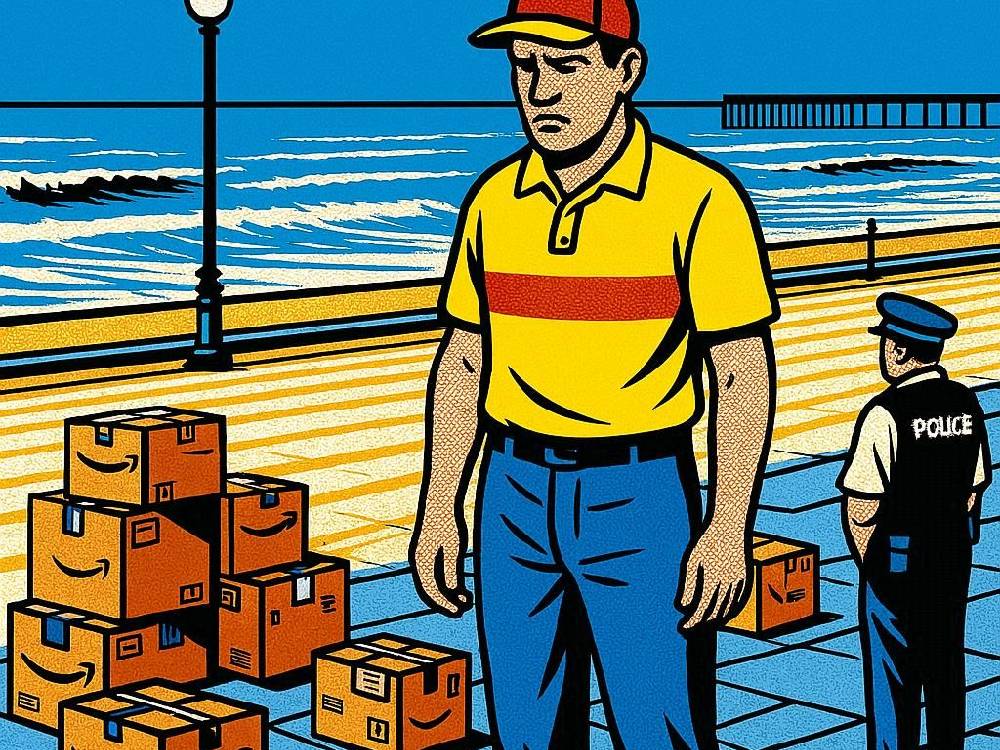
Van Insurance Exposed: What Really Happens When Cover Isn’t Right

Introduction

Van insurance rarely feels urgent.

Until it suddenly does.

On Weymouth seafront, a routine police stop became a public lesson in UK van insurance.

Not theory.

Not fine print.

Real consequences, unfolding in real time, for a working delivery driver.

Delivery Van Seized On Weymouth Seafront After Van Insurance Check

Police stopped the delivery van along Weymouth seafront.

Officers carried out routine roadside checks.

At first, nothing seemed unusual.

Then the insurance check returned a problem.

The driver held no valid cover.

Police seized the van on the spot.

This issue went beyond paperwork.

The driver didn’t wait on a delayed certificate.

The van travelled the road without valid Van Insurance.

That single fact changed everything.

Meanwhile, Dorset Police confirmed that officers run these checks regularly.

They prioritise commercial vehicles.

They focus on insurance and roadworthiness.

Because of that, police don’t treat uninsured driving lightly.

Not now.

Not ever.

Driving without insurance can lead to immediate vehicle seizure and further penalties.

Driver Ordered To Unload Parcels On Public Footpath

Officers then gave the driver clear instructions.

They told him to unload the van.

Every parcel.

Immediately.

The driver removed around 80 packages.

Passers-by stopped to watch.

People gathered.

Phones appeared.

This moment made everything visible.

And uncomfortable.

Many observers believed the parcels contained Christmas deliveries.

Wrong place.

Wrong time.

Maximum exposure.

Suddenly, the cost of not having Very Cheap Van Insurance didn’t look cheap at all.

This situation went beyond inconvenience.

It disrupted an entire delivery route.

Christmas Deliveries And The Real Cost Of Invalid Van Insurance

Timing matters.

Especially in delivery work.

As Christmas approaches, parcel volumes surge.

Deadlines tighten.

Pressure builds.

When police seize a van during peak season, the damage multiplies.

Customers wait.

Routes collapse.

Reputations suffer.

Crucially, insurers don’t care what a driver assumes.

Police don’t either.

That’s exactly why many drivers chase the Cheapest van insurance without checking what the policy actually allows.

And that’s where mistakes happen.

Here’s the problem.

Parcels Supervised While Replacement Van Was Arranged

The driver stayed with the parcels.

He supervised them on the pavement.

Meanwhile, colleagues arranged a replacement van.

Another driver headed to the scene.

Deliveries resumed later.

But delay costs money.

Time disappeared.

Routes slipped.

Efficiency collapsed.

Most drivers never factor this part in.

Vehicle seizure doesn’t end the problem.

It starts a chain reaction.

That reality explains why Van Insurance protects more than legality.

It protects continuity.

That’s why many drivers work with specialists like Cheap Van Insurance instead of relying on generic cover.

Cheap only works when it covers the right risk.

Dorset Police Warning On Driving Without Van Insurance

Dorset Police later addressed the incident.

Officers confirmed they run roadside checks frequently.

They target commercial vehicles deliberately.

Why?

Because uninsured vans increase risk.

For businesses.

Other road users.

And for drivers themselves.

Driving without valid insurance can lead to:

  • Immediate seizure.
  • Fixed penalties.
  • Court proceedings.
  • Higher future premiums.

Once police seize a van, consequences follow fast.

This is where many drivers misjudge the risk.

Why Police Van Insurance Checks Are Increasing

Insurance enforcement follows strategy, not chance.

Police now rely heavily on ANPR systems.

Databases update continuously.

Commercial vans stand out clearly.

As a result, officers don’t need suspicion.

Data triggers the stop.

If a policy doesn’t match the vehicle’s use, police act immediately.

That shift explains why drivers must understand policy types properly.

Many still misunderstand the difference between private and business use.

That confusion alone can invalidate cover.

Drivers unsure about their situation should understand whether business van insurance is cheaper and appropriate before driving.

Assumptions cost money.

Enforcement keeps accelerating.

When “Cheap” Becomes Costly for UK Van Drivers

Most uninsured driving cases don’t involve intent.

They involve misunderstanding.

Drivers often assume:

  • Employer cover applies automatically.
  • Courier platforms include insurance.
  • Occasional paid work “doesn’t count”.

Insurers don’t accept those assumptions.

Policy wording matters.

Declared usage matters.

Small errors void cover.

That’s why resources like Are you driving a car or a van? Check your insurance policy exist.

One wrong assumption can put a driver on a pavement, unloading parcels in front of strangers.

It sounds extreme.

Until it happens.

The Bigger Lesson Hidden in a Simple Police Stop

This incident didn’t shock because of flashing lights.

It shocked because it felt ordinary.

A normal driver.

Normal route.

Normal working day.

Then police stopped the van.

And everything changed.

That’s why Van Insurance demands attention before a driver turns the key.

Not after.

Once police seize a van, paperwork can’t save the day.

What This Incident Teaches UK Van Drivers

More importantly, this incident exposes a wider pattern.

Specifically, uninsured driving rarely begins with recklessness.

Instead, it usually begins with misunderstanding.

For example, many drivers assume courier platforms handle insurance automatically.

However, insurers separate platform access from personal responsibility.

Likewise, some drivers believe short journeys fall outside policy rules.

In reality, insurers count every mile, every time.

Equally, others assume personal cover stretches into paid delivery work.

Unfortunately, it doesn’t.

As a result, many drivers operate outside their policy without realising it.

Consequently, risk builds quietly.

Then, suddenly, police intervene.

At that point, explanations stop mattering.

The Employer vs Driver Insurance Grey Area

At first, responsibility feels unclear.

On one side, companies assign routes and deadlines.

On the other side, drivers remain legally accountable.

Therefore, drivers must verify cover themselves.

They can’t rely on assumptions or verbal reassurance.

Moreover, insurers demand precision.

They expect declarations to match reality.

As a result, even experienced drivers face issues when roles change.

That’s why guidance like Can I get van insurance as a new driver? still applies later in a career.

Because context matters.

And context resets risk.

Why Cheap Van Insurance Needs Proper Structure

At first glance, cheap cover feels efficient.

After all, lower premiums protect margins.

However, cheap only works when the policy aligns with usage.

Otherwise, savings disappear instantly.

More importantly, invalid cover costs far more than premiums ever could.

For that reason, many drivers now look beyond headline price.

Instead, they prioritise clarity.

They prioritise suitability.

They prioritise compliance.

Consequently, interest grows in options like How telematics devices can save you money on van insurance.

Because telematics rewards correct behaviour.

And, crucially, it aligns policy with reality.

Van Insurance Enforcement Pressure Continues To Rise

Crucially, enforcement pressure shows no sign of easing.

In fact, technology accelerates it.

ANPR systems flag mismatches instantly.

Meanwhile, databases update continuously.

As a result, officers don’t rely on suspicion.

Instead, data drives decisions.

At the same time, councils support stronger compliance measures.

Therefore, uninsured vans stand out faster than ever.

This context explains why articles like Why proper vehicle compliance is crucial for road safety resonate so strongly.

Because compliance no longer sits at the edges.

It sits at the centre.

The Overlooked Risk That Follows Drivers

Here’s what many drivers miss.

Insurance problems compound.

First, police seize the vehicle.

Then, insurers cancel policies.

After that, future premiums rise sharply.

Consequently, one mistake follows drivers for years.

Additionally, employers hesitate.

Meanwhile, courier platforms tighten onboarding checks.

Ultimately, drivers lose access to work.

That’s why this incident matters beyond one afternoon.

It shapes long-term insurability.

Therefore, understanding details like what counts as a modification for van insurance becomes essential.

Because small details invalidate cover faster than most expect.

Conclusion

Ultimately, this Weymouth stop delivered a simple message.

Van insurance leaves no room for assumptions.

It offers no flexibility after mistakes.

Although the parcels moved on, the warning remains.

Assumptions cost money.

Gaps cost time.

Invalid cover costs livelihoods.

Therefore, drivers seeking Cheap Van Insurance UK must prioritise accuracy alongside price.

If you want to explore similar guidance and real-world cases, these articles may help:

Because when enforcement happens, preparation matters more than price.

Van Insurance Explained: Average Prices, Hidden Fees & How To Save

Introduction

Finding out how much van insurance should really cost isn’t as straightforward as it sounds.

Prices can vary dramatically — sometimes by hundreds of pounds — depending on who you are, what you drive, and how you use it.

The average comprehensive van insurance policy in the UK sits around £721.48 per year, but many drivers pay far less.

So how can you make sure you’re one of them?

Let’s find out.


Understanding The Real Cost Of Van Insurance

Van insurance costs are never one-size-fits-all.

Every driver’s quote tells a story — about their van, their habits, and their risk level.

That’s why comparing your premium to someone else’s rarely makes sense.

Still, let’s put things into perspective.

The average annual cost for comprehensive van insurance in the UK is around £721.48, according to industry data.

But here’s the catch — this number hides huge variation.

Some experienced drivers with clean records pay closer to £400.

Others, particularly young or high-risk drivers, can face premiums north of £1,000.

So What Drives Those Van Insurance Differences?

Several key factors combine to set your price:

Your age, postcode, van type, mileage, use, and driving history all play their part.

For example, a driver in rural Wales with a small Ford Transit used only for weekend hobbies will likely pay far less than a London-based courier putting in 200 miles a day.

That’s why understanding these variables is the first step to finding Cheap Van Insurance that fits your needs.

“The more accurately you represent your van’s use and details, the more realistic — and often lower — your quote will be.”

Need proof?

Check your current cover against your actual use with our guide:
Are you driving a car or a van? Check your insurance policy.

It might surprise you how many drivers are unknowingly misclassified — and overpaying as a result.

Key Factors That Shape Your Van Insurance Premium

Let’s break it down further.

Here’s what really influences your van insurance cost — and how to use that knowledge to your advantage.

The Type Of Van Insurance Cover You Choose

Not all policies are created equal.

Comprehensive cover protects you, your van, and other vehicles — even if the accident’s your fault.

Third-party, fire, and theft offers less protection, but can be cheaper upfront.

However, cheaper doesn’t always mean smarter.

Often, comprehensive cover ends up saving you money long-term because of wider claim protection.

That’s why finding cheap van insurance should always mean “smart” rather than “bare minimum.”

How You Use Your Van

Business or personal?

That’s one of the first questions insurers will ask — and for good reason.

A van used daily for deliveries or trade work faces a higher risk than one used occasionally for personal errands.

So yes, business van insurance often costs more.

But accurate classification prevents claim rejection — which could save you thousands.

For example, if your van’s used for contract jobs, you’ll likely fall under “carriage of goods for hire or reward.”

This falls into a higher-risk category than “social, domestic, and pleasure.”

Learn why compliance matters in our guide on
Why proper vehicle compliance is crucial for road safety.

Where You Live And Park

It might seem unfair, but your postcode heavily influences your premium.

Urban areas with higher theft rates generally mean higher costs.

If you park on-street overnight in London, expect a bigger bill than someone with a private driveway in Devon.

Insurers use postcode data to assess local claims history — it’s all about risk prediction.

So, secure parking and low-crime areas?

They make a huge difference to your quote.

The Van Itself

Weight, engine size, and even colour can influence your cost.

High-performance models or modified vans usually fall into pricier insurance groups.

But the good news?

You can use telematics and smart devices to counteract that.

Installing a black box or GPS tracker can lower your perceived risk and reduce premiums by up to 25%.

Find out more in our article:
How telematics devices can save you money on van insurance.

Your Driving Record

No-claims bonuses are pure gold in the world of van insurance.

The more claim-free years you rack up, the better your discount.

Even minor speeding points can push up your premium, so keeping a clean record matters.

Here’s the deal — insurers love predictability.

And a driver with five years of safe driving history looks like a much safer bet than someone who just got their licence.

But wait — there’s more to the story.

In the next section, we’ll explore how to find Cheap Van Insurance UK without compromising on cover or quality.

Because saving money shouldn’t mean sacrificing peace of mind.

How To Find Cheap Van Insurance In The UK

Now that you know what affects your premium, let’s talk about how to actually bring that number down.

Because the truth is — most van drivers are overpaying without even realising it.

So, what can you do right now to cut costs without cutting corners?

Let’s dive in.

Compare Van Insurance Like A Pro

It sounds obvious, but how you compare policies matters just as much as where you compare them.

Many drivers go straight to comparison sites, tick a few boxes, and pick the cheapest quote they see.

But here’s the problem — not all policies are built equally.

Some come with hidden fees, higher excesses, or missing cover for tools and equipment.

A better move?

Use a specialist broker like Cheap Van Insurance UK that compares tailored policies across trusted insurers.

You’ll often find deals that never appear on big aggregator sites — and that can save serious cash.

Boost Your No-Claims Bonus

Each year you drive claim-free, your no-claims discount grows — and it’s one of the most powerful cost-cutting tools you have.

Protect it wherever possible.

It’s worth paying a little extra to keep your discount intact after a minor claim.

Because one accident shouldn’t wipe away years of safe driving benefits.

Choose The Right Excess

Another trick to find cheap van insurance is to tweak your excess.

By increasing your voluntary excess — the amount you pay if you make a claim — you can lower your premium.

But here’s the catch:

Don’t set it too high.

If it’s unaffordable when you need it, you’ll regret the short-term saving.

Strike the balance between risk and reward, and you’ll find your sweet spot.

Improve Your Van’s Security

Every lock, tracker, and immobiliser helps.

Adding a Thatcham-approved alarm or steering lock can make your van far less attractive to thieves — and insurers know it.

Want a quick win?

A dash cam or telematics box can instantly make you a lower-risk driver in the eyes of insurers.

That means more savings, month after month.

Pay Annually, Not Monthly

Paying monthly might seem convenient, but you’ll likely pay more overall.

Why?

Because insurers add interest to instalments.

If you can afford to, pay your full premium upfront — it’s one of the simplest ways to save.

When Paying More Actually Saves You Money

Here’s something most drivers overlook.

Sometimes, the cheapest policy ends up being the most expensive one in the long run.

Confused?

Let me explain.

Choosing very cheap van insurance might mean losing out on extras like breakdown cover or replacement vehicle hire.

If your van’s off the road for days after an accident, those extras suddenly look priceless.

So while price matters, protection matters more.

That’s why the smartest move isn’t to chase the cheapest quote — it’s to find value.

Comprehensive cover might cost slightly more upfront but can save you thousands later if you’re involved in a claim.

It also provides peace of mind — knowing your van, your tools, and your livelihood are protected.

For more insight, read our detailed guide:
Top van insurance mistakes that could be costing you money.

Conclusion

What’s the Right Price for You?

So, how much should van insurance really cost?

The honest answer — it depends entirely on you.

Your age, your van, your postcode, your driving history, and your cover type all shape your premium.

But here’s the good news.

By understanding how insurers calculate costs and making a few smart tweaks, you can find cheap van insurance that doesn’t cut corners on cover.

Because at the end of the day, peace of mind shouldn’t come at a premium.

Keep Reading

Want to see how much you could save today?

Head over to CheapVanInsurance.co.uk and find your best deal — fast, simple, and built around you.

Van Insurance: How To Find The Cheapest Van Insurance In The UK

Introduction

Finding the right van insurance in the UK can feel overwhelming.

You need protection for your van, your passengers, and yourself.

At the same time, premiums can spiral out of control if you’re not careful.

So, how do you balance affordability with adequate coverage?

Here’s what we’ll cover in this article:

  • Why van insurance is crucial for all drivers.
  • How to find cheap van insurance UK.
  • Practical tips to reduce your premiums.
  • Common mistakes that can cost you.
  • Legal responsibilities and compliance for van drivers.

Why Van Insurance Matters

Driving a van without insurance is illegal in the UK.

Moreover, it’s not just a fine you risk—your financial security and the safety of others are also at stake.

In fact, a single mistake could result in thousands of pounds in costs or, even worse, a prison sentence.

Here’s the kicker:

Accidents can happen to anyone, at any time.

Consider the case of a van driver who fell asleep at the wheel.

He was jailed after seriously injuring a passenger and was disqualified from driving for more than three years.

The investigation revealed long hours and fatigue, yet he still drove.

Ignoring warning signs of tiredness can have devastating consequences.

And it’s not just personal safety—insurance coverage can protect against costly claims.

Different policies offer varying levels of protection.

Some cover third-party damages only, while others include fire, theft, and full comprehensive cover.

Choosing the wrong policy could leave you exposed.

That’s why it’s vital to understand your options before hitting the road.

Finding the right policy isn’t complicated if you know what to look for.

But here’s where most drivers get it wrong.

Many underestimate the importance of policy comparison and coverage details.

With the right guidance, you can secure cheap van insurance without sacrificing safety.

Learn more about checking your van insurance policy.

How To Find The Cheapest Van Insurance

First, understand the factors that affect your premiums.

Your van type, usage, and even the location you park can make a huge difference.

Young or new drivers often pay higher rates.

Claims history and past driving records also play a big role.

So, how can you actually lower your costs?

Here’s the secret you don’t want to miss:

Comparison tools are your best friend.

Brokers like cheapvaninsurance.co.uk simplify the process by finding multiple quotes in minutes.

Don’t settle for the first offer you see:

By shopping around, you can secure the cheapest van insurance for your circumstances.

Telematics policies are another way to save money.

These devices track driving behaviour, rewarding careful drivers with lower premiums.

Discover how telematics can save you money.

Even small adjustments—like parking in a secure location or limiting annual mileage—can reduce your costs.

Here’s something most drivers overlook:

Furthermore, adding security features to your van can make insurers more willing to offer discounts.

For example, from alarms to immobilisers, every precaution you take can help lower your premium.

Tips To Lower Your Van Insurance Premiums

Choosing the right van is more important than many drivers realise.

Smaller, less powerful vans typically cost less to insure.

But that’s just the beginning:

Reducing annual mileage can make a significant difference to your premium.

Insurers reward careful and low-mileage drivers with cheaper quotes.

Installing robust security systems is another smart move.

Alarms, immobilisers, and GPS trackers can all help lower your rates.

Maintaining a clean driving record is crucial.

No claims?

No problem—many insurers offer substantial discounts for claim-free drivers.

Here’s a tip that could save you hundreds:

Consider telematics or “black box” insurance if you’re a cautious driver.

Additionally, these policies track your driving habits and reward safe driving with reduced premiums.

Consequently, it’s important to check your van insurance regularly and update it for any changes in circumstances.

After all, life changes, van modifications, or adjustments in business use can all impact your policy.

Read more about top van insurance tips.

Common Mistakes To Avoid

Driving while tired is a leading cause of accidents.

Even experienced drivers often underestimate the dangers of fatigue.

Moreover, failing to wear a seatbelt or carrying extra passengers illegally can have deadly consequences.

And here’s the harsh reality:

Unfortunately, many drivers fail to declare all modifications or additional uses of their van.

As a result, this can invalidate your insurance, leaving you liable for potentially huge expenses.

Therefore, always ensure your van is used strictly according to the policy terms.

Don’t make this mistake:

Failing to compare policies before purchasing can also result in paying more than necessary.

Use brokers and comparison tools to avoid overpaying.

Learn from real van insurance cases.

All vans on UK roads must, therefore, have valid insurance, road tax, and a current MOT.

Furthermore, ignoring any of these obligations is not only illegal but also highly risky.

Here’s what you need to know:

Third-party insurance covers damages to other people and their property.

Third-party, fire, and theft add protection against vehicle loss.

Fully comprehensive policies cover both your van and third-party claims.

Always ensure that all passengers are seated properly and wearing seatbelts.

Otherwise, allowing extra passengers without proper seats can lead to serious consequences.

One small oversight can cost a fortune:

Therefore, regularly review your policy to ensure that your coverage fully aligns with how you use your van.

Check proper vehicle compliance.

Conclusion

Van insurance is not optional—it’s a legal requirement and a vital safety measure.

By understanding coverage types, shopping around, and following cost-saving tips, you can secure cheap van insurance without compromising protection.

Avoid common mistakes like driving tired, carrying extra passengers, or neglecting policy updates.

Compare quotes, consider telematics, and ensure full compliance with UK laws.

For further guidance, explore related articles:

When Do You Need Specialist Van Insurance? Find Out Now!

Introduction

Van insurance is essential.

But did you know that standard policies might not always cover all your needs?

In fact, there are certain situations where you might require specialist van insurance.

Why?

Because standard insurance isn’t always tailored to cover every unique scenario.

Whether you’re a young driver, have previous convictions, or use your van for unusual work purposes, specialist insurance could be exactly what you need.

It can also help you find a cheaper cover that fits your specific situation.

In this guide, we’ll dive into different scenarios where specialist van insurance is necessary, and how it could save you money.

Van Insurance For Young Drivers

If you’re a young driver, you’ve probably noticed one thing:

Finding affordable insurance can be tough.

But why is that the case?

Insurers often see younger drivers as a higher risk due to their inexperience.

This means that many standard van insurance policies have age restrictions.

Some policies may only cover drivers over 21, while others hike up premiums for those under this age.

But don’t worry!

A specialist van insurance policy could be the perfect solution for young drivers.

How?

These policies are often tailored for young people who have some driving experience with other vehicles, such as cars or motorbikes.

Even better, if you’ve been a named driver on someone else’s policy, you might be eligible for even lower premiums.

So, why stick with expensive standard policies?

Young drivers should explore specialist insurers to get a better deal.

You might be surprised at how much you could save.

To learn more about getting cheaper van insurance as a new driver, check out Can I Get Van Insurance As A New Driver?.

Previous Convictions

Do you have a criminal conviction or a series of driving offences?

If so, you probably know that finding affordable van insurance can be an uphill battle.

But should your past define your future driving costs?

Not always.

Standard insurers tend to increase premiums for those with convictions—especially motoring offences like speeding or dangerous driving.

However, there’s a better option:

Specialist van insurance providers often take a more personalised approach.

These insurers will look beyond your past and focus on your current driving abilities.

They might offer a much more affordable policy, based on your specific circumstances.

Some even take into account whether you’ve taken proactive steps, like enrolling in a driving safety course, to reduce your risks.

In many cases, this personalised approach results in cheaper van insurance.

If you’ve struggled with finding affordable insurance because of past convictions, a specialist insurer could be your best bet.

Van Insurance For Unusual Work Use

Do you use your van for work?

If so, you’ll likely need commercial van insurance.

But here’s the catch:

Even if you only use your van occasionally for work, standard policies might require you to have commercial cover.

That can be annoying, especially if you mostly use your van for personal purposes.

But there’s good news.

Specialist van insurance offers far more flexibility than standard policies.

If you use your van for haulage, courier services, or even just for carriage of your own goods, a specialist insurer can tailor the policy to your exact needs.

This way, you’ll only be paying for what you need.

No more, no less.

For more insights on different van uses, check out Why Proper Vehicle Compliance Is Crucial for Road Safety.

Short-Term Cover

Sometimes, you don’t need van insurance for a full year.

Maybe you only need cover for a few weeks.

Or even just a few days.

If that’s the case, short-term van insurance could be your best option.

How does it work?

Short-term van insurance operates similarly to annual policies but only covers you for the exact period you need.

This could be anything from a single day to a few months.

Specialist insurers often offer flexible, short-term policies that can save you from paying for cover you don’t need.

Just be sure to check the details of what’s included before purchasing any policy.

If you only require insurance for short periods, standard insurers might not provide the flexibility you’re looking for.

But a specialist provider could.

For more details on short-term van insurance, visit What is the Cheapest Van Insurance Group?.

Van Insurance For Imported Vans

Do you own a van that was imported from outside the EU?

If so, finding the right insurance can be tricky.

Here’s why:

Most standard insurers offer cover for European imports, but when it comes to grey imports from countries like the US or Japan, the options are limited.

And expensive.

That’s where specialist van insurance comes in.

Specialist providers are experienced in offering tailored cover for foreign vans and trucks, often at a much more reasonable cost.

They understand the unique needs of imported vehicle owners and can provide the right level of coverage that standard insurers may not offer.

If you own a grey import or a van from outside the EU, don’t settle for overpriced standard policies.

A specialist insurer will likely offer a better deal.

For more information on getting the right insurance for imported vans, check out Are You Driving a Car or a Van? Check Your Insurance Policy.

Conclusion

In conclusion, specialist van insurance can be a valuable option in many situations where standard policies fall short.

Whether you’re a young driver, have previous convictions, use your van for unusual work purposes, need short-term cover, or own an imported van, specialist insurance could save you both time and money.

So, why limit yourself to standard policies that don’t meet your needs?

Explore your options with a specialist van insurance provider to ensure you get the best possible deal.

For more tips on how to save money on your van insurance, check out our blog How Telematics Devices Can Save You Money on Van Insurance.

Vans, Vision, And A Greener Future: Ford And Turkey Drive Change

Two Things To Thank Ford And Turkey For Today

First, Ford Otosan announced they will produce the latest versions of Ford Transit vans. This includes fully electric vans as well. We all know the future is green. In light of this, many automotive companies are pledging to become fully electric within the next 15 years. Specifically, Ford aims to be completely green by 2030. Furthermore, they currently lead the commercial market in Europe. In the UK, they’ve topped the van market for an incredible 56 years. So, this is a big deal. We anticipate success in selling these Transit vans to delivery and courier companies. They want to offset carbon emissions and improve their environmental impact.

But Wait, There’s More!

Have you heard of Dagenham Engine Plant? This British company, owned by Ford, plays a crucial role. It will manufacture diesel engines for the new Transit vans. Not the electric ones, of course. In the midst of Brexit uncertainty, this news is welcomed. It will help ensure the safety of 2,000 jobs at the plant. It’s a good deal. The hardworking staff at Ford’s Dagenham branch send diesel engines to Turkey. In turn, Ford Otosan equips these engines to the Transit vans. Consequently, you can expect around 30% of these vans to be exported back to Britain. Moreover, keep in mind that a substantial 85% of Ford engines are shipped from Britain to over 15 countries across six continents. Ultimately, this trade is valued at an impressive £2.5 billion annually. Thank you, Ford. Thank you, Turkey. This trade deal could yield even more benefits. Despite electric pledges, this ensures UK workers’ jobs are safe for now. As long as diesel and hybrid cars remain on the market, they can feel secure. Whichever van you choose in the future—electric, hybrid, or combustion—we’ve got you covered. You’ll find the cheapest van insurance quotes around.  

New commercial vehicle insurance provider launches

Pukka Insure, a brand new commercial vehicle insurance provider set to turn the world of van insurance on its ear, has recently launched.

Are you a van and truck driver that’s had a devil of a time getting commercial insurance for your vehicle? Well Pukka Insure says it’s got a deal for you. Or it will, sometime soon. The new player on the insurance field says that right now it’s offering drivers of 3.5-tonne vehicles a policy that should be something you might be interested in, though the company has remarked that it will be expanding to a full weight range eventually.

Of course, the founder of this new company, Sam White, isn’t just someone that’s burst onto the scene from nowhere. She’s already involved in the insurance industry through the claims management company she founded – one that’s somehow survived the purge of CMCs that occurred a few years back when the Government changed the way personal injury legislation was handled in the UK.

Truth be told, the commercial van insurance sector could use some new blood. Motor vehicle insurance in general is just all kinds of terrible right now, with personal and commercial insurance rates rising steadily through the roof and into the stratosphere. More choices for beleaguered van and lorry drivers is fantastic, as more competition in the sector should – theoretically – act as a downward force on premium prices altogether.

The problem is that some of the forces driving insurance premiums up are external and not internal. Sure, there’s always the spectre of “cash-for-crash” scams driving costs up for insurers, but the insurance premium tax (IPT) went up to 9.5 per cent in November of 2015 – a hike of 3.5 percentage points – and that’s certainly adding to everyone’s pain.

Still, I suppose it remains to be seen if Pukka Insure is going to be able to make waves in the commercial insurance market or not. Personally I wish the new start-up all the best, but I’m certainly not going to be holding my breath to see if the rates this company offers – or the level of service, for that matter – are going to be anything worthwhile or noteworthy. For now, I’m just going to adopt a “wait-and-see” approach, though you’re welcome to switch insurers if you’re in the 3.5-tonne weight range I suppose. If you’re not, I’ll wager you’re going to wait right alongside me, aren’t you?

Car and van insurance premiums poised to increase yet again

VAN INSURANCE NEWS ROUNDUP: 7 DAYS ENDING 3 APRIL 2015:

Car insurance and van insurance premiums are poised to increase yet again thanks to a lack of competition between insurers, analysts say. Are we having fun yet?

According to some research from an insurance comparison site, the average premium price across every age group stood at £561.10 in February 2015. This is up by £21.90 from last year’s average – and once again the country’s youngest motorists are being hammered the hardest.

Whether it’s for a personal insurance policy or one for commercial van insurance, drivers under the age of 21 pay an average of more than £1,420. This is an increase of nearly £20 in and of itself from January to February – and it’s something close to 376 per cent higher than the under £300 someone between the ages of 50 and 64 would end up paying.

So what in the world is causing these insane increases? Well on a yearly basis December is usually the point in the year when competition drops to its lowest point. This recovers in both January and February, but bounce back in 2015 has been abysmal compared to years past – with lowered competition, insurance companies don’t really have any reason to provide good rates because well to hell with you if you’re a customer.

Believe it or not, many analysts say that dropping petrol prices naturally lead to premium increases as well. This seems patently unfair, as pain at the pump has been widespread for far too long and it’s nice to finally see a litre of petrol not costing you an arm and a leg when you pull in to your local garage, but insurers feel that cheaper petrol means drivers feel comfortable driving more since it’s no longer as expensive to fill the tank. More drivers on the road for longer leads to more potential accidents, so insurers hedge their bets against that. So much for that nice country drive this spring, eh?


£93 of your premium is the result of whiplash claims

VAN INSURANCE NEWS ROUNDUP: 7 DAYS ENDING 13 MARCH 2015:

Wondering why your van insurance or car insurance is so high? Around £93 worth of it is a result of the number of whiplash claims insurers have to deal with.

So why in the world is the amount of whiplash claims raising everyone’s insurance by an average of £93 lately? Well that’s just how many claims that car and commercial van insurance providers have had to deal with lately. Apparently there’s been an absolutely massive spike in volume recently, and insurers say the costs they incur in paying out for all these supposed whiplash injuries.

Insurers of course are pointing the finger at ambulance-chasing personal injury lawyers that are drumming up spurious claims in order to benefit from court costs and lawyer fees. If only there were some way to limit the impact of whiplash claims, insurance companies have been whinging – or at least that’s what they say whenever they’re not accusing the Government from doing enough to crack down on insurance fraud.

Meanwhile who loses out in the long run? We do, of course – every single one of us who has to keep their van or lorry insured. The so-called £2.5 billion a year that insurers say whiplash claims cost them gets passed on right to everyone who has to climb behind a wheel – and our personal share is £93. It’s enough to drive you absolutely mad – especially when there’s so much else to worry about.

Still, there’s not much we can do about it, is there? We have to make sure our vehicles stay insured at all times or we’re liable for all sorts of fixed penalties. And good luck getting cover from an insurer if they know you like motoring about without insurance! No, we’re all kind of over a barrel here – we’re stuck having to play by the industry’s rules. Honestly the best we can do is just shop around every year when it comes time to renew our cover and try our best to find a reasonably priced premium policy that doesn’t offer cut-rate cover or leave us with having to take out a mortgage on our flat to pay for it.

I wish I was exaggerating for comedic effect but sometimes I really wonder; don’t you?


Google gets into the insurance comparison business

VAN INSURANCE NEWS ROUNDUP: 7 DAYS ENDING 6 MARCH 2015:

Well here’s something that certainly took long enough: Internet giant Google has finally poked its head into the car and van insurance comparison business.

Using a comparison site to look into getting discount insurance is nothing new here in the UK of course, as you can’t swing a cat without hitting an aggregator site that promises to pull quotes from tens of insurers all at once so you don’t have to do it on your own the old-fashioned way. Apparently though it’s not the same across the pond, as the United States doesn’t really have anything similar for their own personal or commercial van insurance needs. This is likely because each US state, from Alabama to Washington, all have different insurance laws that aren’t interchangeable.

Still, nothing was necessarily preventing a firm from setting up a comparison website on a state-by-state basis, and this is exactly what Google has done. Its new Google Compare service is focused on its home state of California for now, but the firm promises to expand its offerings to additional states down the road; the service works more or less identically to a comparison site here at home, with the added benefit that it’s not actually owned by an insurance company itself.

Honestly if Google wanted to get into the insurance comparison business, it should have started over here in the UK. We could always use more competition, especially considering how rates seem to be heading up once again. Still, it’s nice to think that we were ahead of those bloody colonists for once, though I suppose it was only a matter of time before those enterprising little bastards caught up to us.

Still, we did it first – we can at least rest assured that we have the top spot there. We also don’t have to renew our cover twice a year like most Americans do either – could you believe that most insurance policies in the US need to be renewed every six months? Not only that, but almost all Americans prefer to pay their premiums on instalment instead of all at once – don’t they know that it’s more expensive to do it that way?

Well, they wanted to be their own country. I’m washing my hands of the whole thing.

Step 1

Complete your quick and easy quote

Step 2

Reveal your van insurance policies

Step 3

Pick your favourite and get instant cover