Introduction
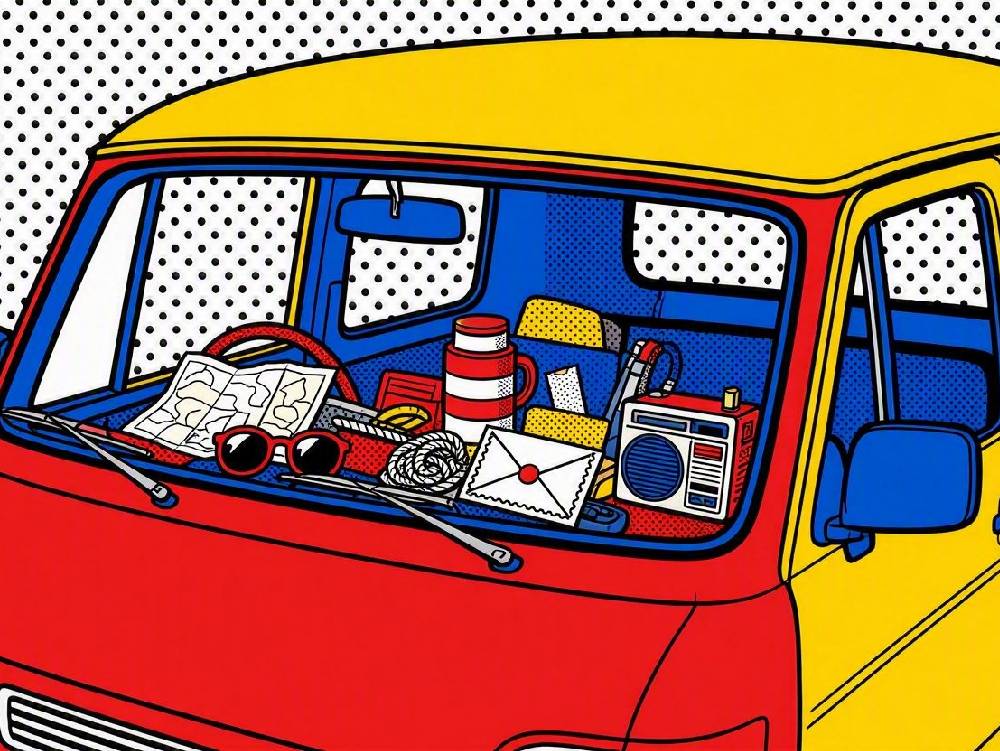
A cluttered van dashboard may look harmless, but hot weather can turn everyday objects into genuine fire, visibility and crash risks.
Here’s what van drivers need to know:
- Loose objects can distract you or interfere with pedals.
- Heat can damage batteries, vapes and electronic devices.
- Bottles and reflective objects may concentrate sunlight.
- Dashboard clutter can obstruct your view of the road.
- If clutter contributes to an accident, it may complicate a Van Insurance claim.
For many tradespeople, the cab is also a mobile office.
That means clutter builds up fast.
Why Cluttered Dashboards Become More Dangerous In Hot Weather
A recent warning to UK drivers highlighted the risks created by messy vehicle interiors during periods of high temperatures.
The problem is surprisingly simple.
Items that seem harmless in mild weather can behave very differently inside a hot van.
Phones heat up.
Batteries sit in direct sunlight.
Plastic bottles roll around.
Receipts and wrappers gather near the windscreen.
And suddenly, an untidy cab becomes more than a cosmetic issue.
Here’s the important bit.
The danger isn’t just what is sitting on the dashboard.
It’s what happens when heat, movement and distraction combine.
Everyday Items That Could Create A Fire Risk
Most van drivers wouldn’t look at a water bottle and think fire hazard.
Yet certain transparent or reflective objects can concentrate sunlight onto nearby surfaces.
The risk may be small.
But it is also incredibly easy to remove.
That principle applies to several common items.
Phones, batteries and power banks
Modern vans are packed with rechargeable devices.
Phones, tablets, power banks and cordless-tool batteries often end up scattered around the cab.
Lithium-ion batteries can suffer when exposed to excessive heat.
In extreme situations, damaged batteries can swell, fail or catch fire.
So, leaving electronics baking on the dashboard makes little sense.
There’s another reason to move them.
Visible electronics can also attract thieves.
For drivers already trying to secure Cheap Van Insurance, avoiding unnecessary claims and losses is simply sensible.
Vapes and aerosols
Vapes also contain rechargeable batteries.
Again, that does not mean every vape left in a hot van will burst into flames.
But excessive heat can increase the chance of battery damage.
Pressurised aerosol cans deserve similar caution.
As temperatures rise, pressure inside the container increases.
Some products are also flammable.
So, convenient dashboard storage is probably best avoided.
Keep them out of direct sunlight and store them properly.
Bottles and reflective objects
Clear bottles, mirrors and reflective sunglasses can sometimes focus sunlight onto one small area.
That can create intense localised heat.
Does that mean a forgotten drinks bottle will definitely start a fire?
No.
But why take the chance?
If something doesn’t need to be on the dashboard, move it.
Dashboard Clutter Can Increase Your Crash Risk Too
Fire is the eye-catching part of the warning.
However, distraction may be the more immediate danger.
Imagine braking at a roundabout and watching a bottle roll towards the pedals.
Your instinct may be to look down.
Or reach for it.
Either way, your attention leaves the road.
Even briefly.
Loose paperwork creates another problem.
Receipts and wrappers can slide or blow across the dashboard and interfere with your view.
Phones can fall from mounts.
Cables can drop near the gear lever.
And objects left unsecured can move sharply during emergency braking.
The problem isn’t clutter sitting still.
It’s clutter moving when you least expect it.
Keeping the cab clear should therefore form part of basic vehicle safety.
You can also read more about why proper vehicle compliance is crucial for road safety.
What UK Driving Rules Say About Your View Of The Road
UK drivers must maintain a clear view of the road ahead.
That sounds obvious.
Yet phone mounts, sat-navs, dash cams, paperwork and stickers can gradually reduce the usable area of the windscreen.
One item might not matter.
Five might.
So, position essential equipment carefully and remove anything unnecessary.
A messy dashboard does not automatically mean you are breaking the law.
However, anything that seriously obstructs your view can create a safety problem.
That matters even more in a working van, where the dashboard often becomes temporary storage.
Could Dashboard Clutter Affect Your Van Insurance Claim?
An untidy van will not automatically invalidate your Van Insurance.
However, insurers can examine what caused an accident.
If a loose bottle blocked a pedal, or an obstruction affected your view, that could become relevant.
That is the key distinction.
A receipt in the door pocket is unlikely to matter.
A loose object contributing to a collision is different.
So, drivers searching for the Cheapest van insurance should think beyond price alone.
Good cover matters.
So does reducing avoidable risk.
For working drivers, an accident can also mean lost jobs, cancelled deliveries and time off the road.
That is why Cheap Van Insurance UK and sensible driving habits should go hand in hand.
Seven Things To Remove From Your Van Dashboard In Hot Weather
Start with these:
- Power banks and loose batteries
- Vapes
- Aerosol cans
- Clear drinks bottles
- Reflective sunglasses
- Receipts and food wrappers
- Loose electronic devices
None of this requires specialist equipment.
You need two minutes.
And perhaps a bin bag.
Sometimes, road safety really is that simple.
The Dashboard Isn’t The Only Place Clutter Causes Problems
The danger doesn’t stop at the dashboard.
Loose items in footwells, door pockets and around the centre console can also become hazards.
A bottle rolling under a pedal is an obvious problem.
So is a tool sliding forward during sudden braking.
For van drivers, this matters more because the cab often doubles as a workspace.
Paperwork, chargers, drinks and work equipment can pile up surprisingly quickly.
The solution is simple.
Secure anything that can move, and remove anything you don’t need.
Dash Cams Can Help — But Position Matters
Dash cams can be useful after an accident.
However, badly positioned devices can also reduce your view through the windscreen.
So, mount them carefully.
The same applies to phones and sat-navs.
Useful equipment shouldn’t become another obstruction.
A Two-Minute Hot-Weather Van Safety Check
Before setting off, run through a quick check:
- Clear the dashboard.
- Remove batteries, vapes and aerosols from direct heat.
- Secure bottles and loose equipment.
- Make sure nothing can reach the pedals.
- Check phone and sat-nav mounts.
- Remove rubbish and loose paperwork.
It takes almost no time.
Yet it could prevent a much bigger problem later.
Can Safer Driving Help Keep Van Insurance Costs Down?
Keeping your van tidy won’t automatically give you cheap van insurance.
However, avoiding accidents and claims can protect your driving record over time.
Insurers consider several factors when calculating premiums.
These include your claims history, vehicle, mileage, occupation, security and how you use the van.
Some drivers may also benefit from telematics.
You can read more about how telematics devices can save you money on van insurance.
Ultimately, the Cheapest van insurance is only worthwhile if the cover still suits your needs.
Conclusion
A cluttered dashboard might seem trivial, but heat, loose objects and poor visibility can turn everyday items into avoidable risks.
A quick clear-out takes minutes.
And for drivers comparing Van Insurance, reducing unnecessary risks is just as important as finding the right price.
Similar Articles