
Introduction
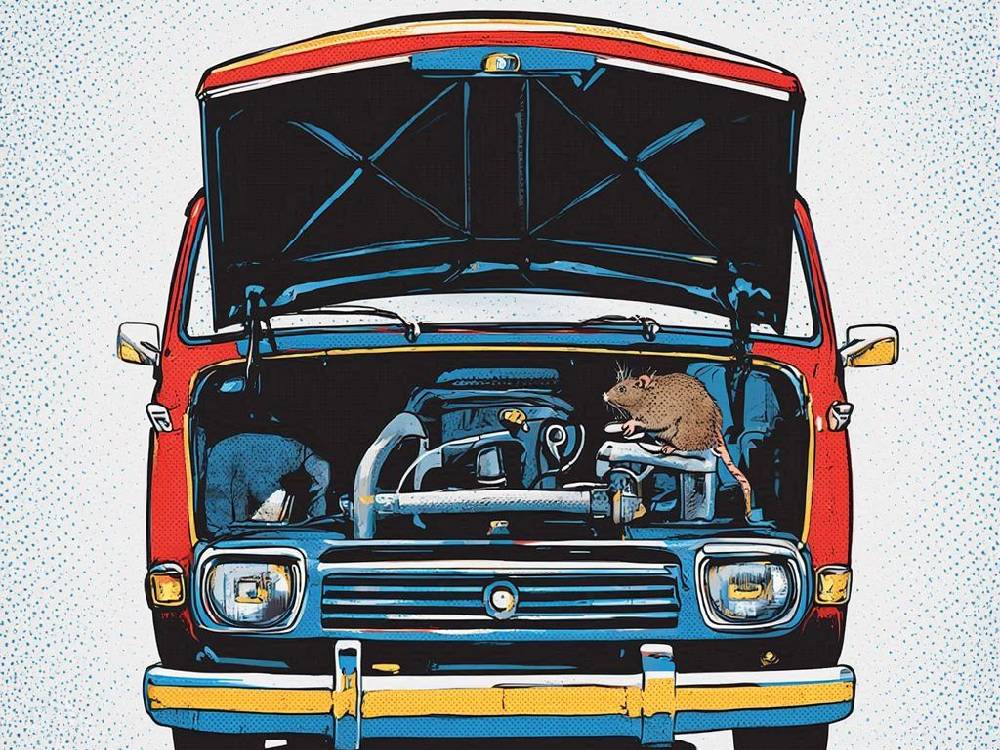
Rodent damage to vans in the Uk is rising.
Rodents are quietly causing thousands of pounds of vehicle damage across the UK, and as a result, Van Insurance claims linked to rats and mice are now rising rapidly.
- Why rodents increasingly target vans during colder months
- The most common types of damage caused by rats and mice
- How rodent damage affects Van Insurance claims
- Why work vans are especially vulnerable
- Simple steps drivers can take to prevent costly repairs
- How to protect your vehicle while still finding Cheap Van Insurance
Why Rodent Damage To Vans Is Rising As Rats Target Vans
During winter, rodents actively search for warm shelter.
Naturally, parked vehicles provide exactly that.
Engine compartments stay warm long after a van has stopped running.
Consequently, they become extremely attractive nesting spots.
Here’s the surprising part…
Rodents can squeeze through incredibly small openings.
Grilles.
Ventilation gaps.
Wheel arches.
Even slightly open windows.
Once inside a van, rodents quickly start building nests.
Soft insulation becomes bedding.
Plastic covers provide shelter.
Meanwhile, wiring becomes chewing material.
As a result, damage can begin within hours.
However, most drivers remain completely unaware.
Why Urban Areas See More Rodent Damage To Vans
Cities create ideal environments for rodents.
Population density is higher.
Food waste is easier to access.
Drainage systems provide perfect hiding places.
Consequently, rat populations thrive in many urban areas.
Older infrastructure makes the problem even worse.
Meanwhile, rodents easily move between drains, streets and parked vehicles.
As a result, vans parked overnight often become easy targets.
Especially in large cities.
Why Work Vans Are More Attractive To Rodents
Work vans create perfect conditions for nesting rodents.
Firstly, they often remain parked for long periods.
Secondly, engine bays stay warm after long journeys.
Thirdly, vans sometimes contain food packaging or crumbs.
In addition, commercial vehicles often sit overnight in quiet areas.
Now consider this…
Tradespeople frequently park vehicles outside homes.
Delivery drivers leave vans in busy streets.
Construction workers leave vehicles near building sites.
Each scenario provides an opportunity.
Therefore, rodents increasingly enter these vehicles unnoticed.
The Most Common Types Of Rodent Damage To Vans
Rodents rarely cause just one problem.
Instead, they damage multiple components at once.
And unfortunately, the damage often remains hidden.
Until something stops working.
Mechanics regularly discover rodent nests in unexpected locations.
Inside engine compartments.
Behind passenger airbags.
Under dashboard panels.
But the nesting itself is rarely the biggest problem.
The chewing is.
Chewed Wiring Is the Most Common Issue
Rodents instinctively chew materials to control tooth growth.
Unfortunately, vehicle wiring becomes an easy target.
Modern vans rely heavily on electrical systems.
Consequently, damaged wiring can trigger numerous faults.
Sensors stop working.
Dashboard warning lights appear.
Battery systems fail.
Sometimes the vehicle refuses to start altogether.
Now here’s the worrying part…
Even a single damaged wire can disable multiple vehicle systems.
Which means repairs quickly become expensive.
Rodent Damage To Vans: Interior Damage Is Also Increasing
Rodents don’t stop with wiring.
They frequently chew interior materials as well.
Seats.
Seatbelts.
Footwells.
Carpets.
Sound insulation.
Although this damage may appear cosmetic at first, repairs can still be costly.
Especially when entire interior sections require replacement.
Fuel And Water Leaks Can Also Occur
In more serious cases, rodents bite through hoses and piping.
Fuel lines sometimes become damaged.
Water hoses may also be punctured.
Consequently, leaks can develop.
Over time, these leaks can create major mechanical problems.
In rare cases, they may even create fire risks.
Why Modern Vans Are More Vulnerable To Rodent Damage To Vans
Modern vans contain far more electronics than older vehicles.
As a result, even minor rodent damage can cause major issues.
Sensors monitor everything.
Braking systems.
Engine performance.
Battery management.
Suspension behaviour.
Therefore, a single chewed cable can trigger multiple warning systems.
Which makes diagnostics more complex.
And repairs more expensive.
Now here’s something many drivers don’t realise…
Rodent Damage To Vans Increasingly Appears In UK Insurance Claims
In fact, insurers now treat this as a growing risk.
Drivers who understand their cover often avoid unpleasant surprises.
For example, understanding policy details can make a huge difference.
You can learn more about cover options here:
https://www.cheapvaninsurance.co.uk/
However, many drivers only discover the problem after something goes wrong.
And at that point, repair costs may already be significant.
Meanwhile, repeated claims may also affect premiums.
Which is why understanding insurance factors is important.
For example, you can read more here:
https://www.cheapcarinsurance.co.uk/is-business-van-insurance-cheaper/
Because when claims increase, finding Very Cheap Van Insurance becomes harder.
How Rodent Damage Can Affect Your Van Insurance Claim
Rodent damage may look minor at first.
However, the insurance implications can be significant.
Because once electrical systems fail, repair costs often escalate quickly.
Here’s the catch…
Not every Van Insurance policy treats rodent damage the same way.
Some comprehensive policies include cover.
Others apply strict conditions.
Therefore, insurers usually examine how the damage occurred.
For example, vehicles left unused for long periods may raise questions.
Consequently, drivers should understand their policy details.
Otherwise, a claim could face delays.
Or even rejection.
Understanding policy conditions is essential.
For instance, this guide explains how vehicle details can affect insurance cover:
https://www.cheapvaninsurance.co.uk/2024/09/25/w
Because small details sometimes make a big difference.
Why Work Vans Face Higher Rodent Risk
Work vans often attract rodents more than personal vehicles.
Firstly, they remain parked for longer periods.
Secondly, engine bays stay warm after long journeys.
Thirdly, vans sometimes contain food packaging or crumbs.
As a result, rodents see them as safe nesting places.
Now consider this…
Tradespeople often park vans overnight in busy streets.
Delivery drivers leave vehicles stationary for hours.
Construction vans sit near quiet job sites.
Each situation creates opportunity.
Consequently, rodents gain easy access.
Meanwhile, many drivers never check the engine compartment.
Therefore, nests remain hidden.
Until warning lights suddenly appear.
Drivers who stay proactive often avoid expensive repairs.
This article explains why understanding van risks matters for drivers:
Because prevention almost always costs less than repairs.
How Drivers Can Reduce The Risk
Fortunately, a few simple steps reduce rodent damage significantly.
Firstly, inspect the engine bay regularly.
Look for shredded insulation.
Leaves.
Or nesting material.
Secondly, avoid leaving food inside the vehicle.
Even small crumbs attract rodents.
Thirdly, park in well-lit areas when possible.
Rodents prefer dark, quiet environments.
In addition, start the van regularly.
Vehicles left unused for long periods attract nesting animals.
Meanwhile, routine servicing helps detect problems early.
And early detection prevents major repair bills.
Drivers who prevent damage often maintain lower premiums.
Which makes finding the cheapest van insurance far easier.
Conclusion
Rodent damage may seem unlikely.
However, it is becoming an increasing problem for UK van drivers.
Cold weather pushes rodents into warm vehicles.
Urban environments make the issue worse.
Meanwhile, modern vans contain complex electrical systems.
As a result, even small damage can lead to expensive repairs.
Drivers who check their vehicles regularly often avoid major problems.
Meanwhile, understanding insurance cover protects against unexpected costs.
If you want to learn more about protecting your policy and reducing premiums, these guides may help:
Because protecting your van today can help secure Cheap Van Insurance tomorrow.